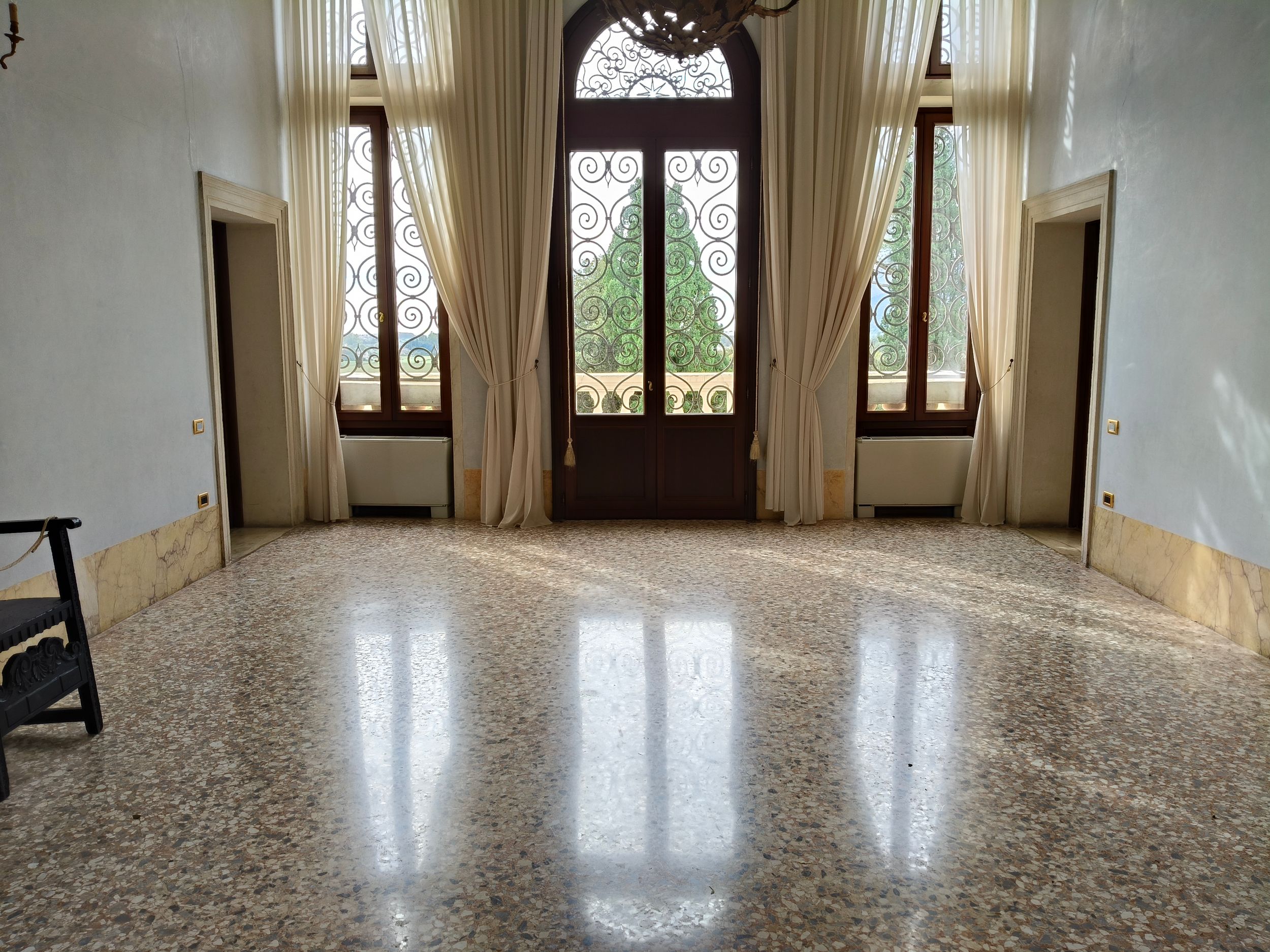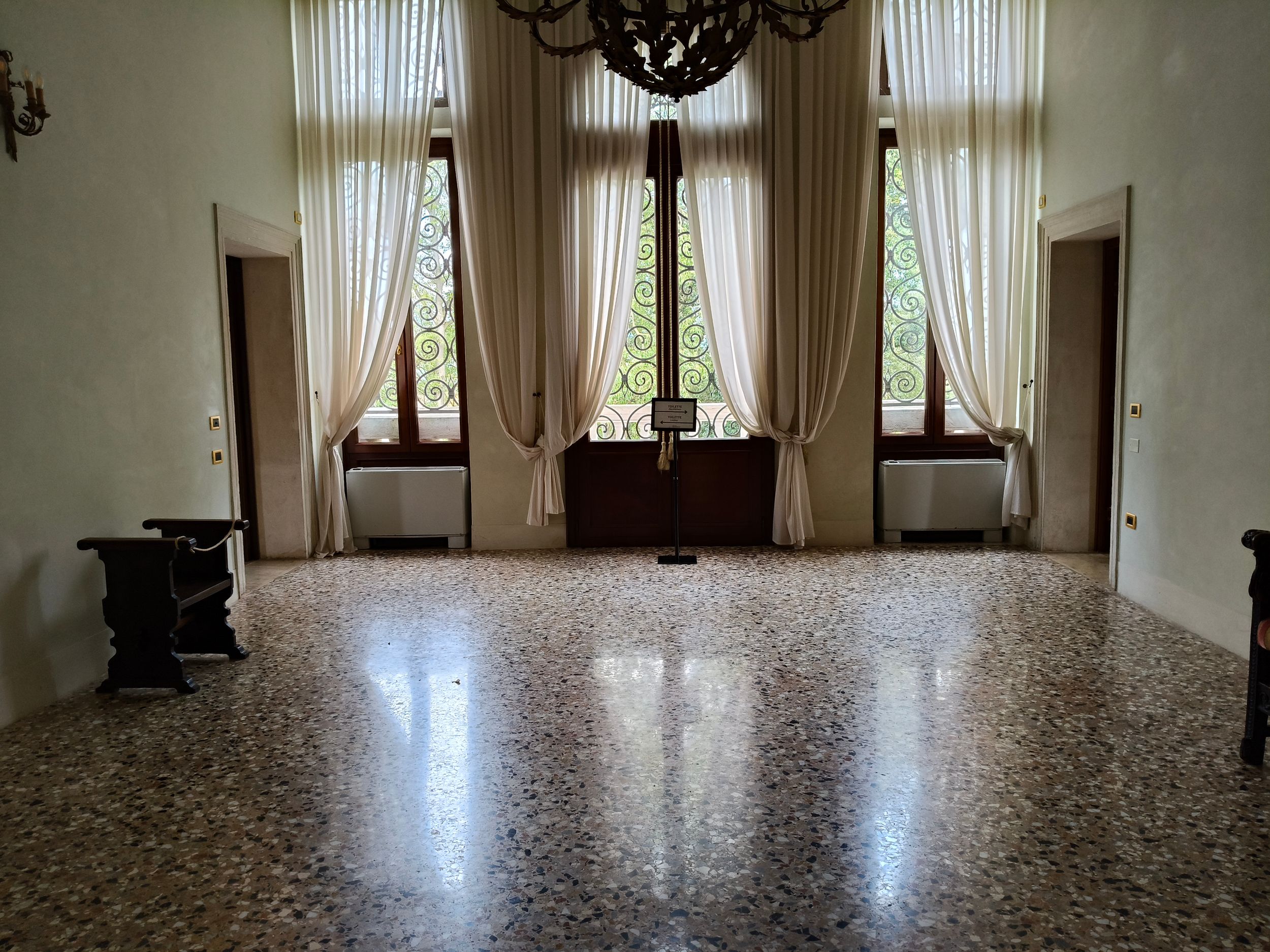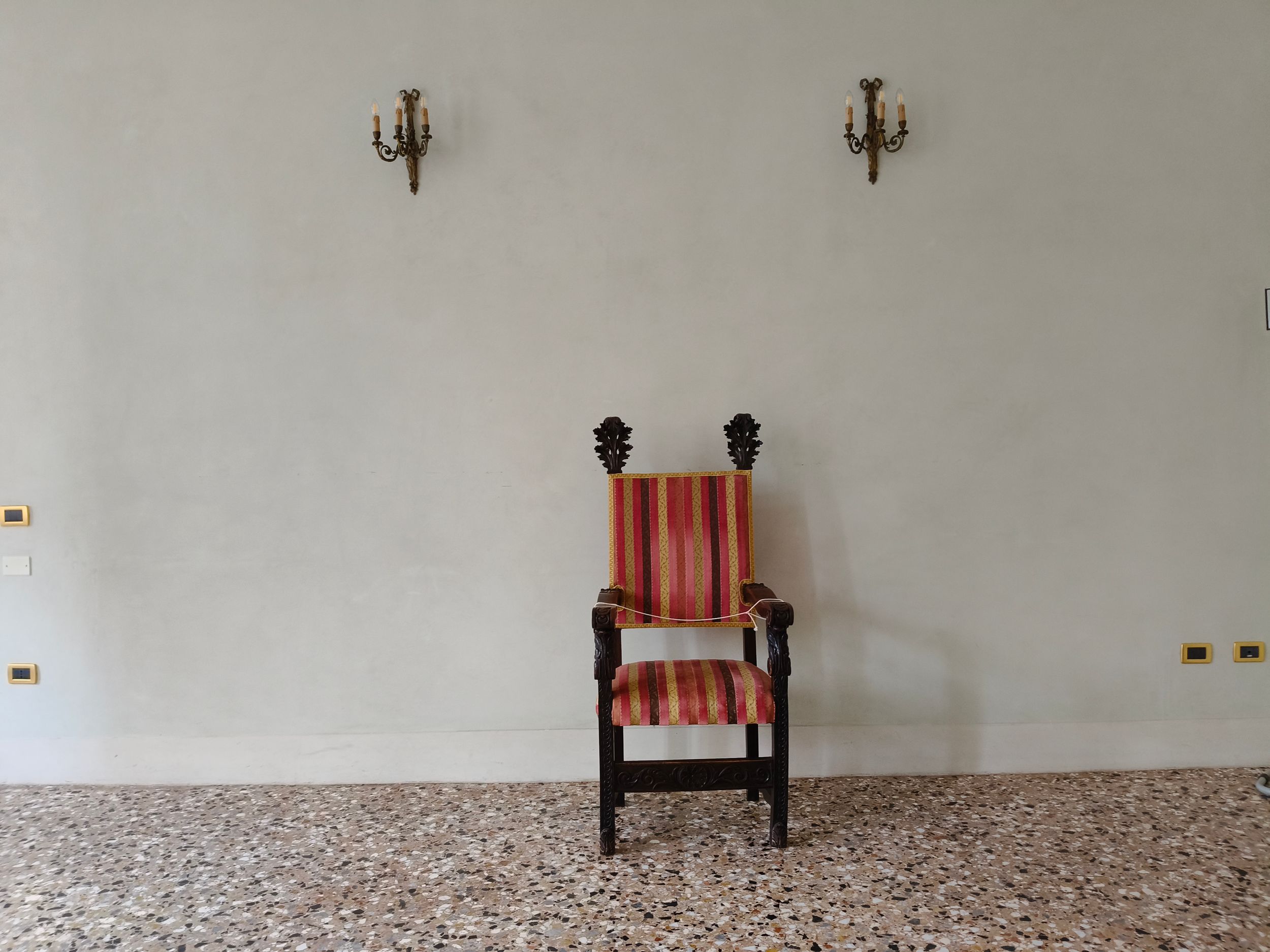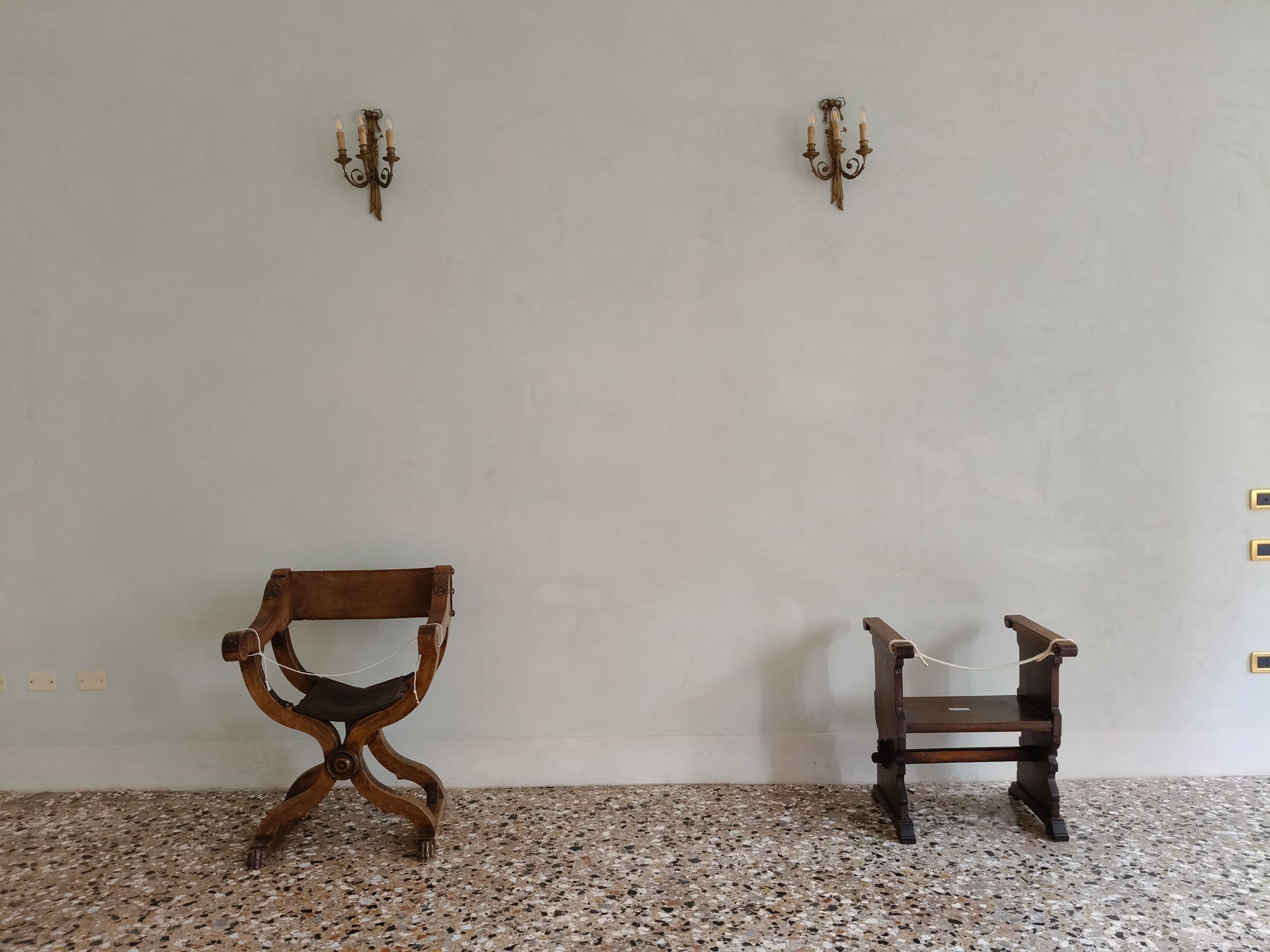
Villa Selvatico
25 / 10 / 2026
Battaglia Terme - Padua - Italy
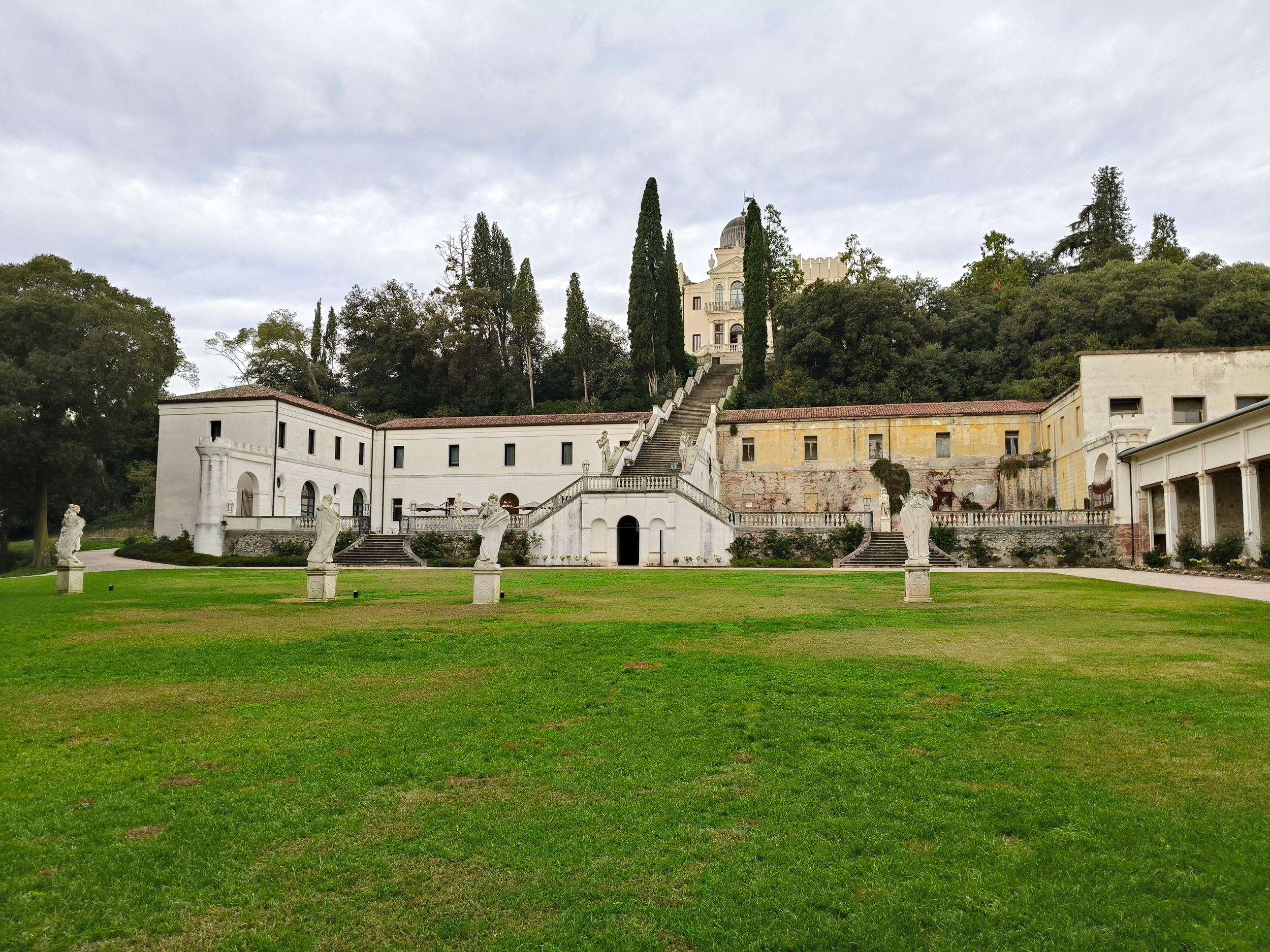
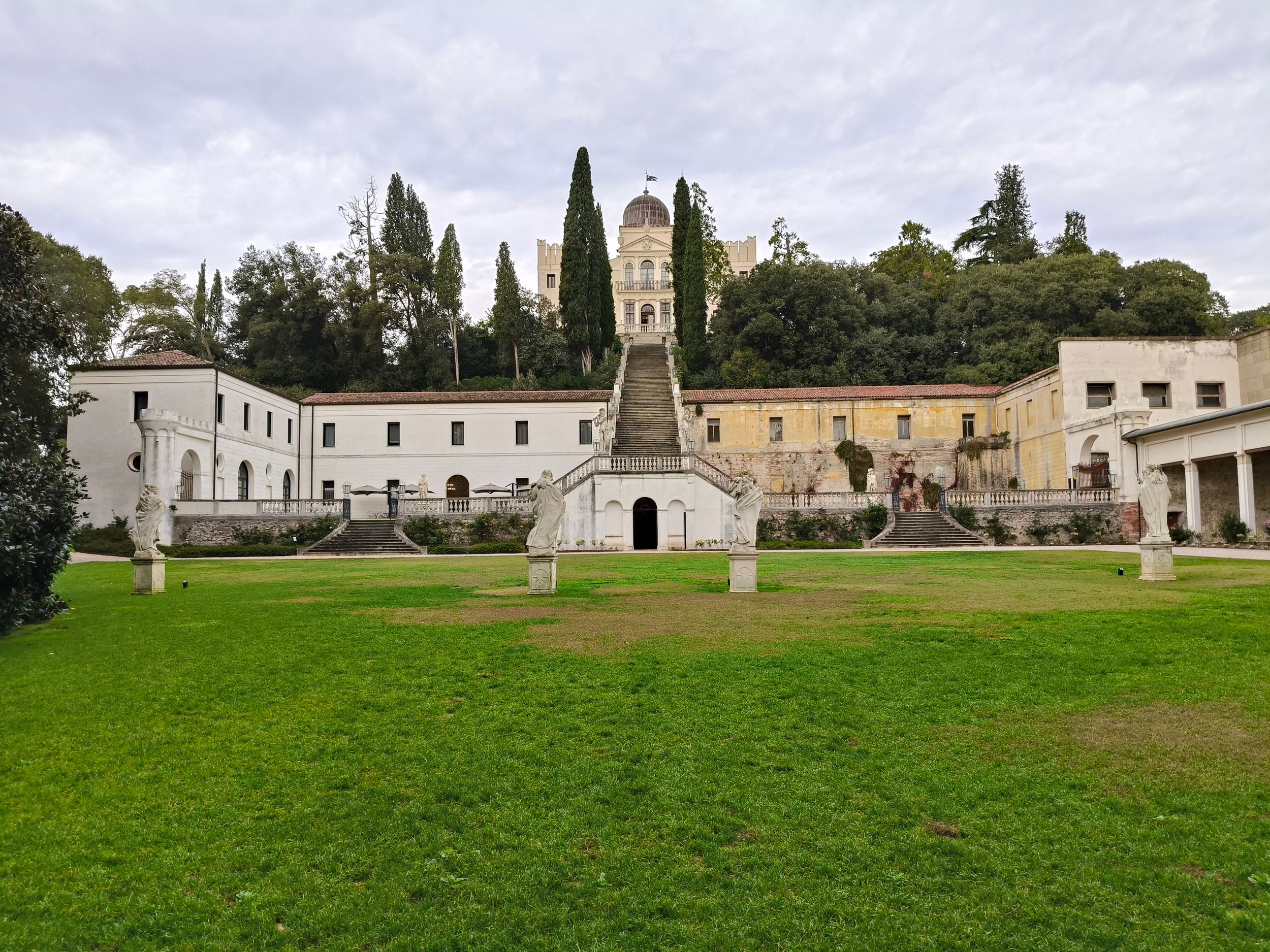
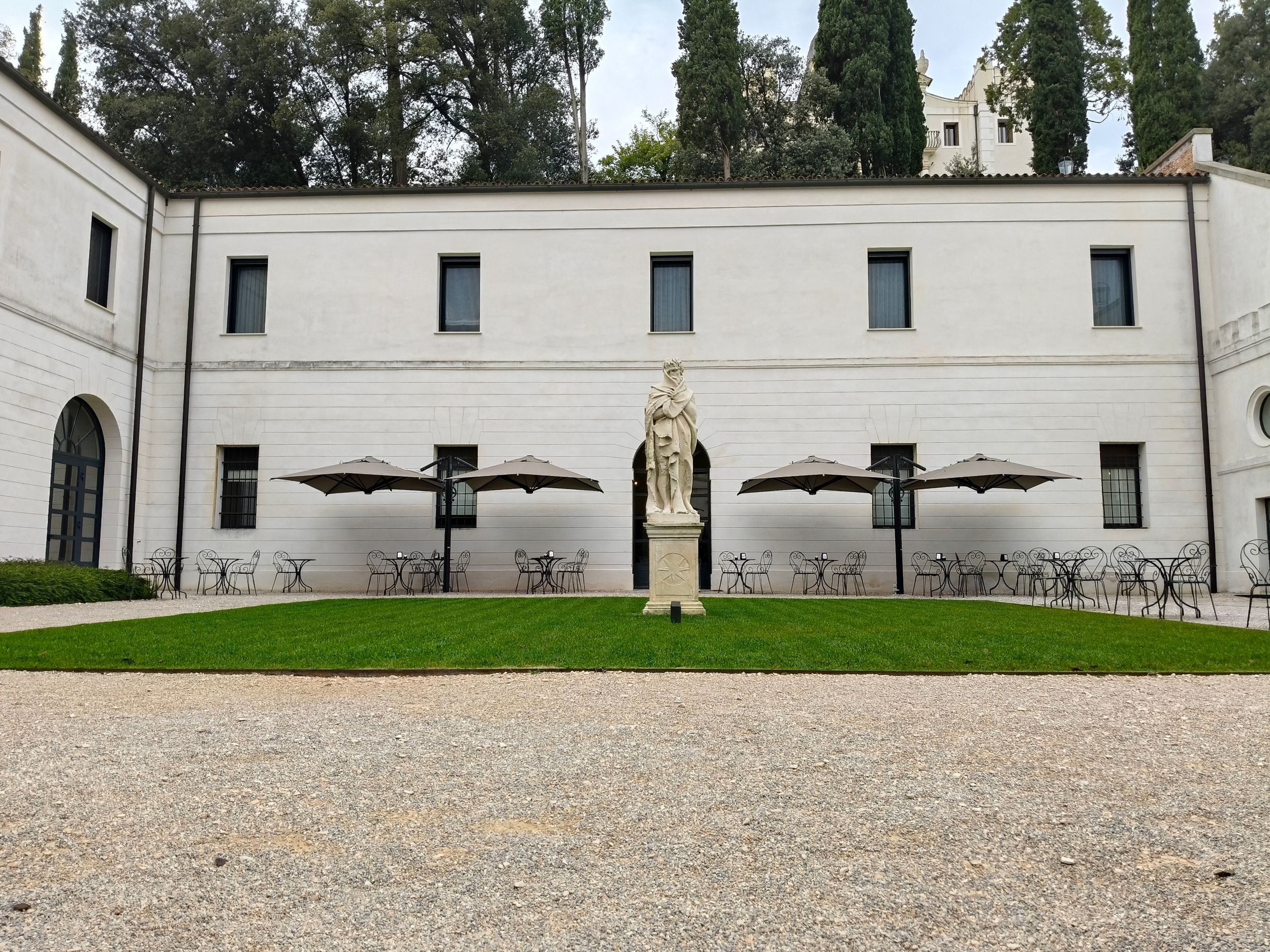
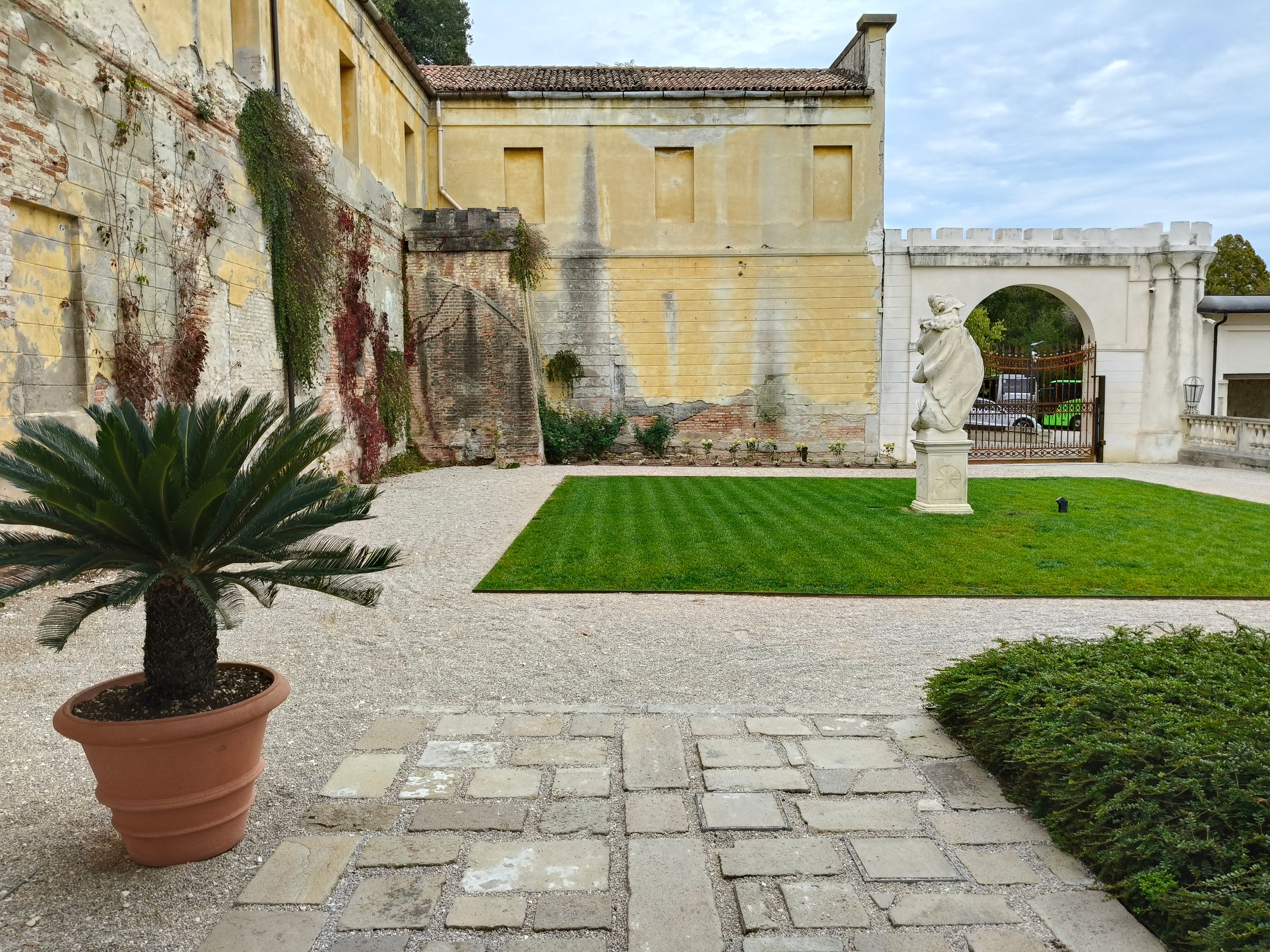
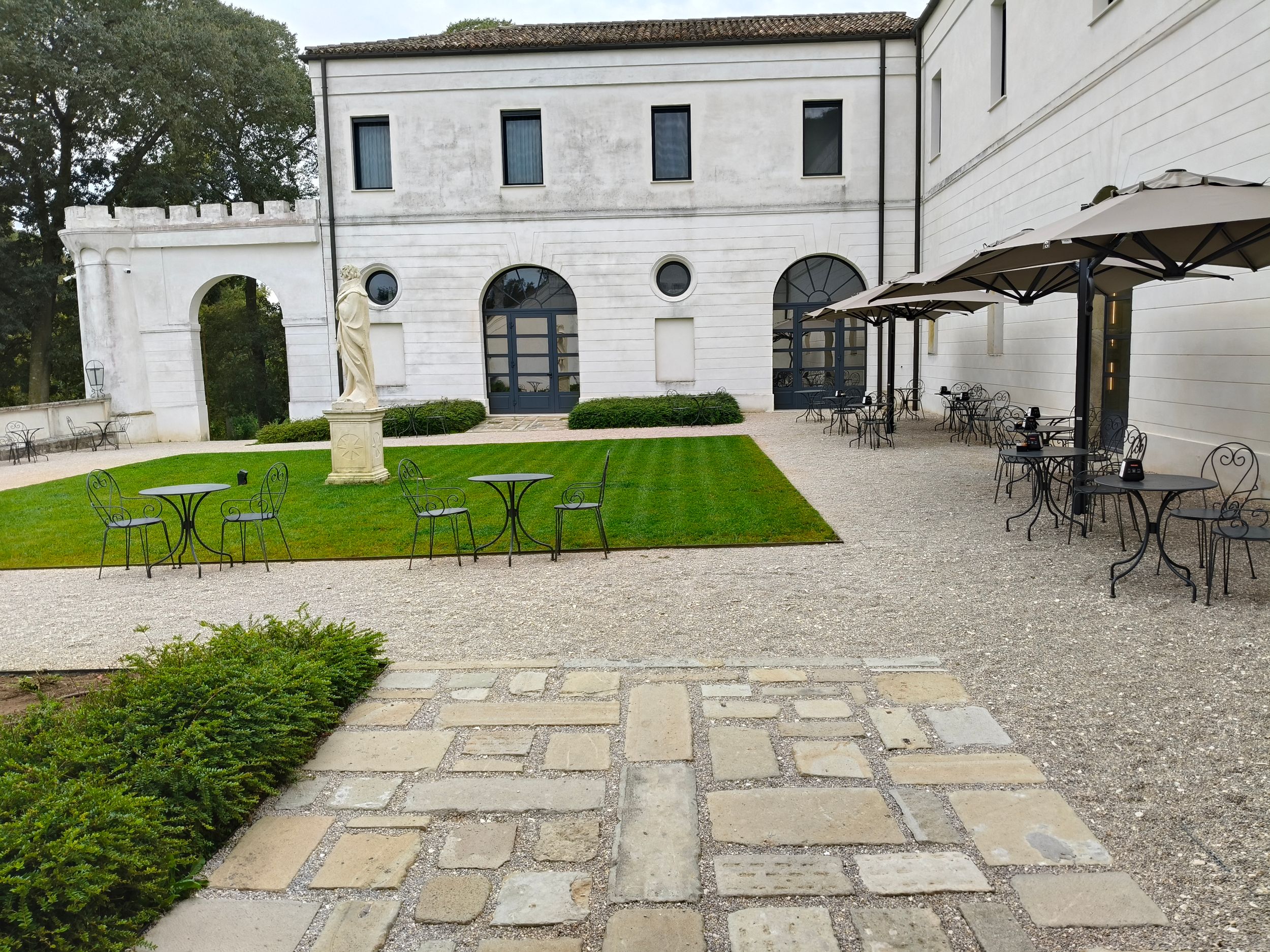
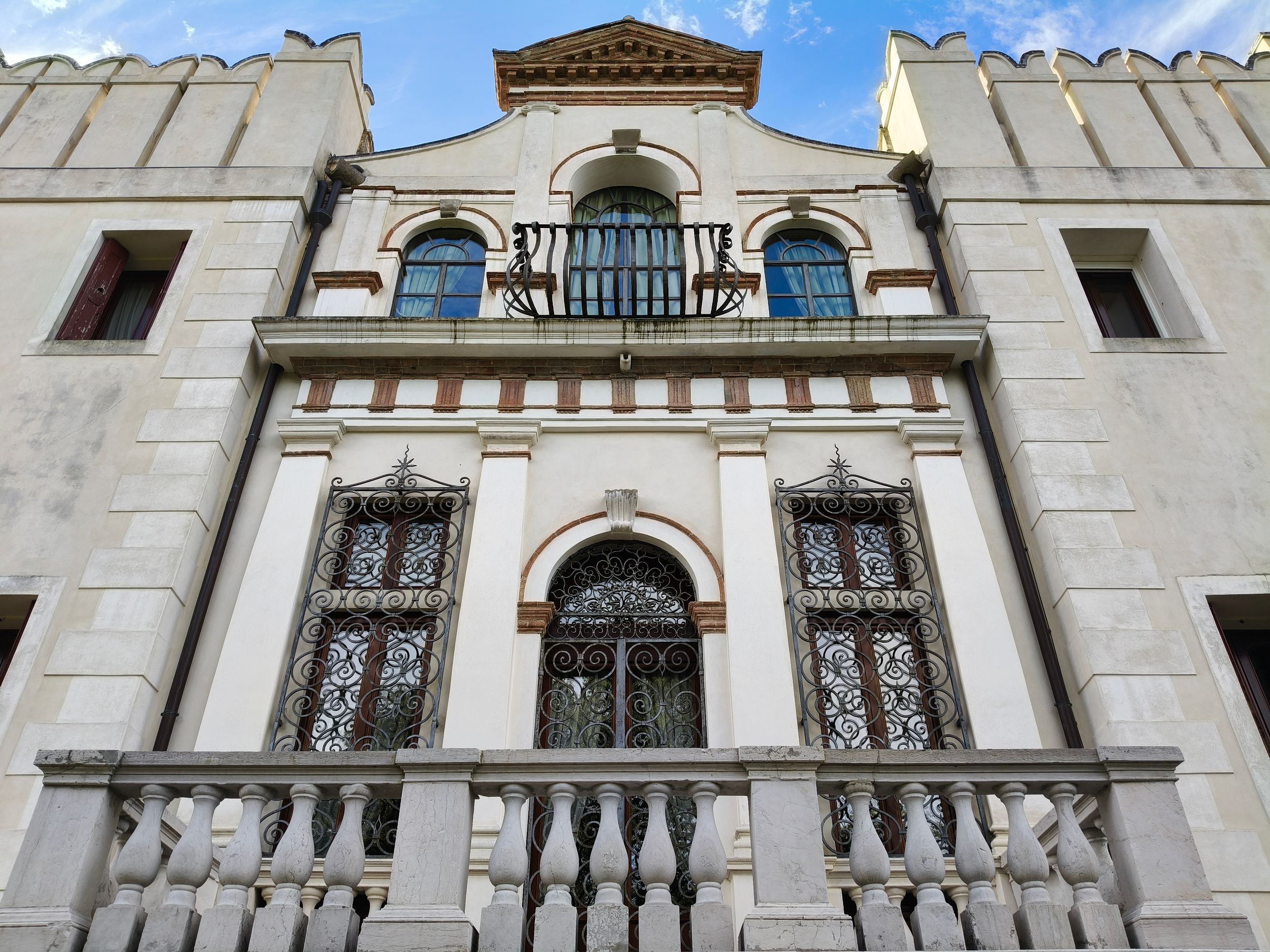
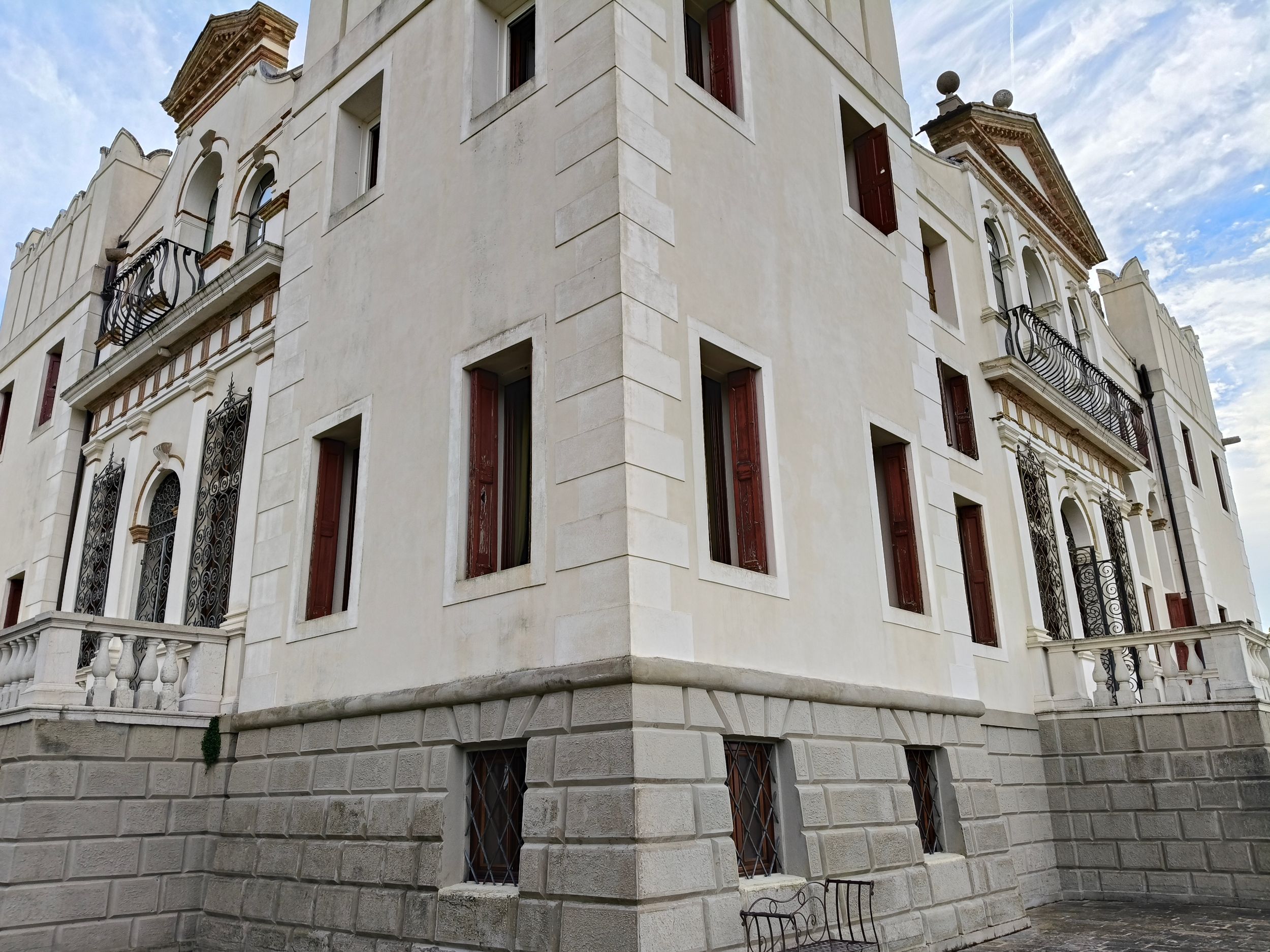
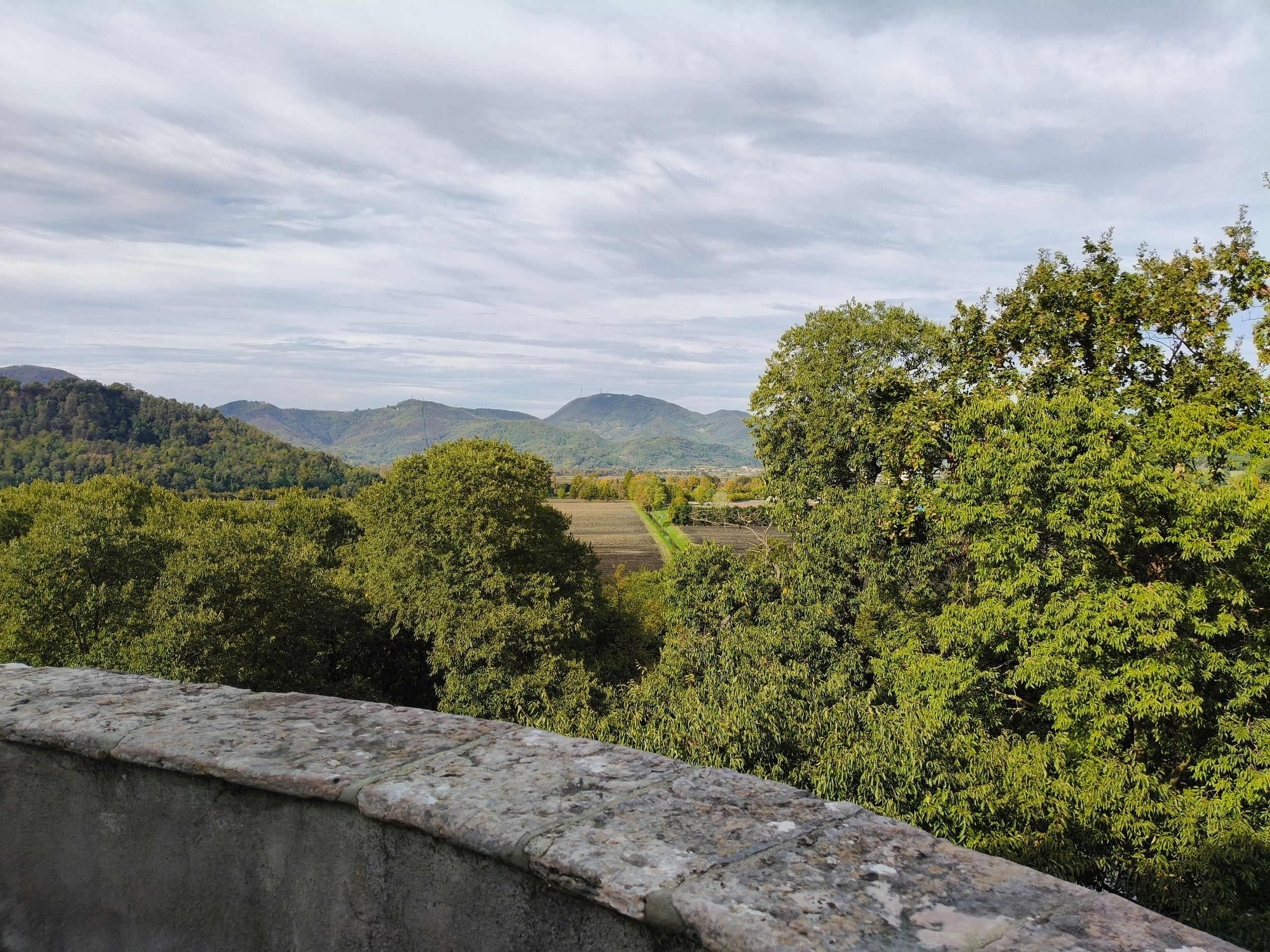
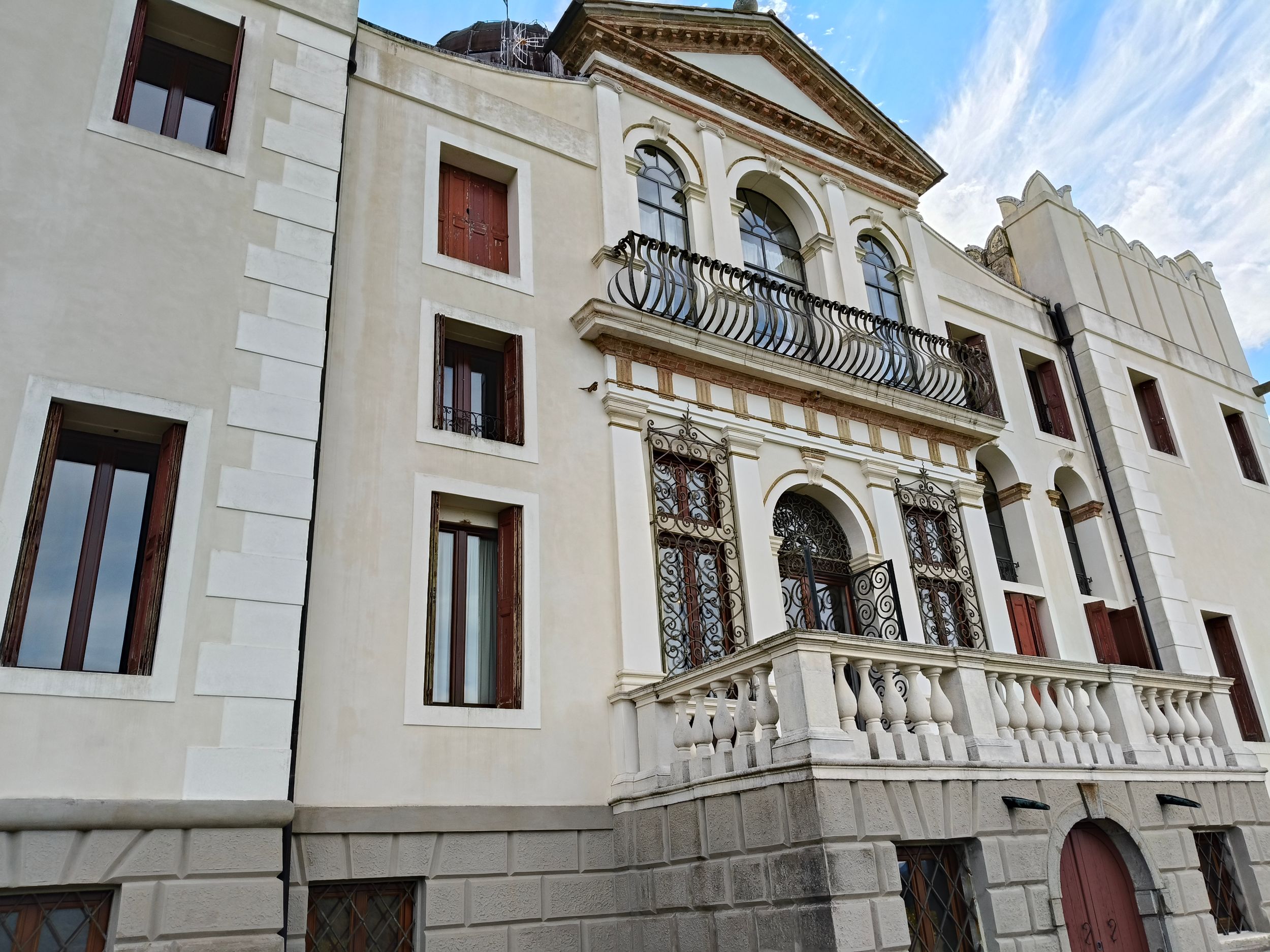
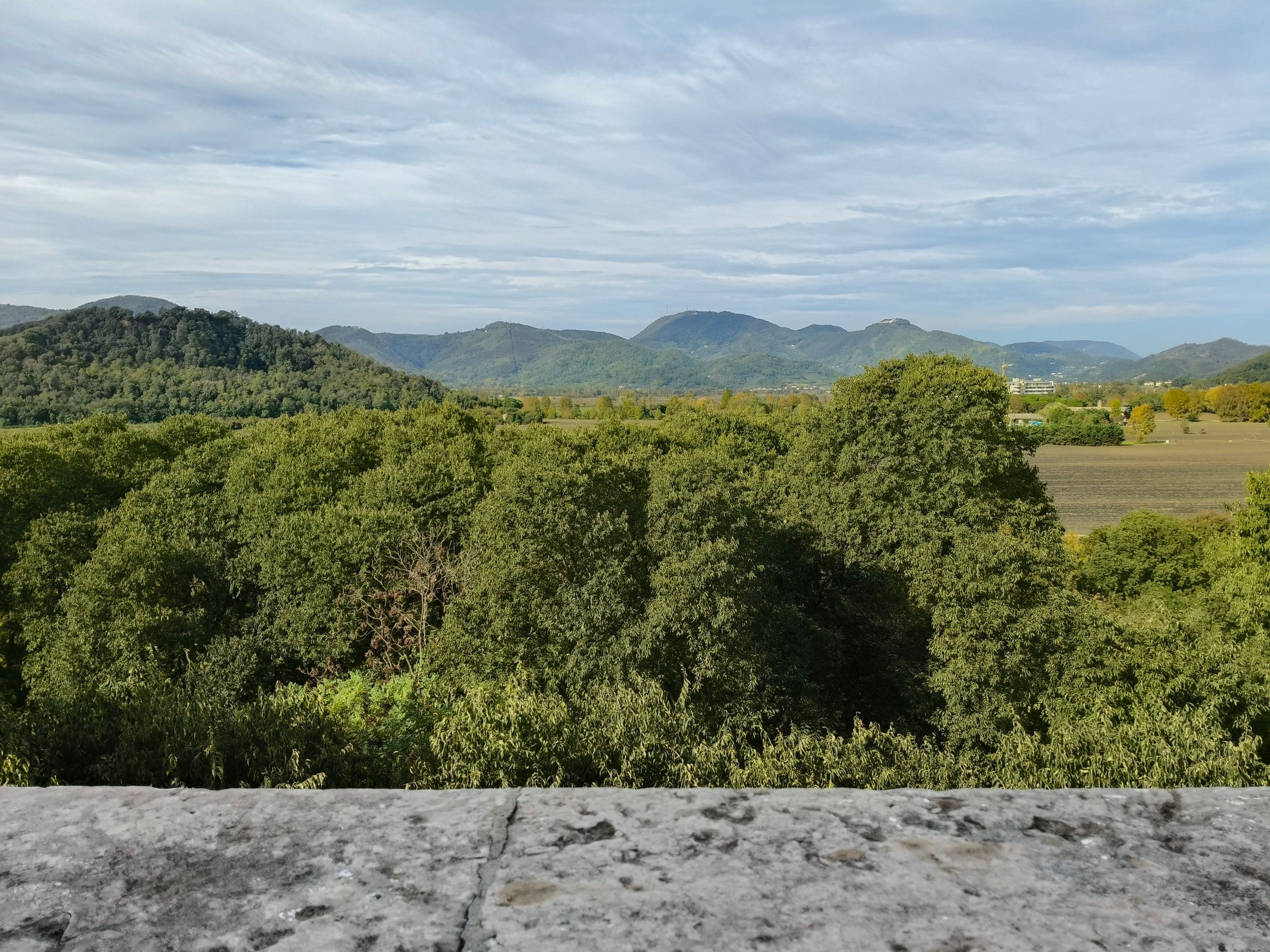
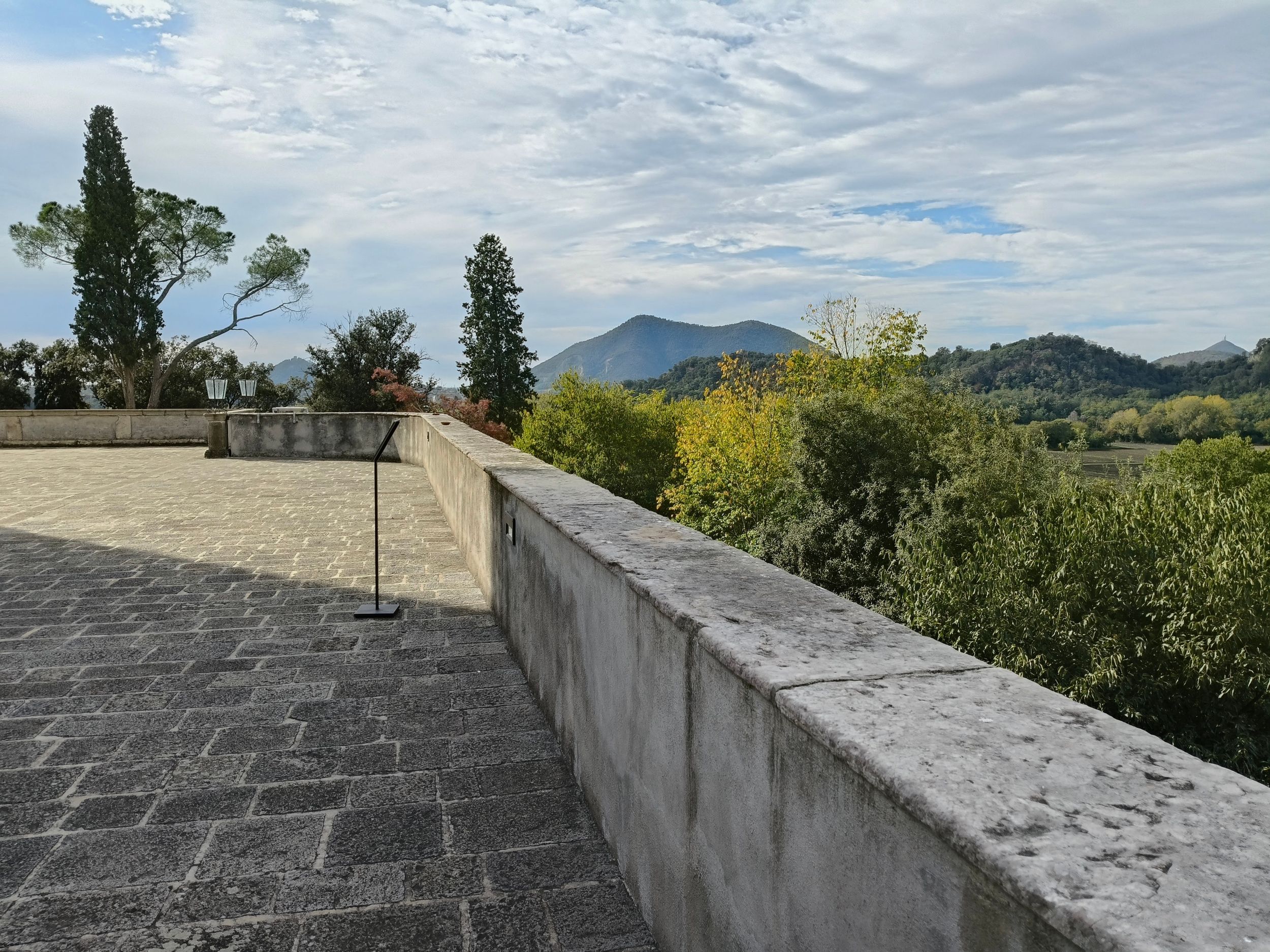
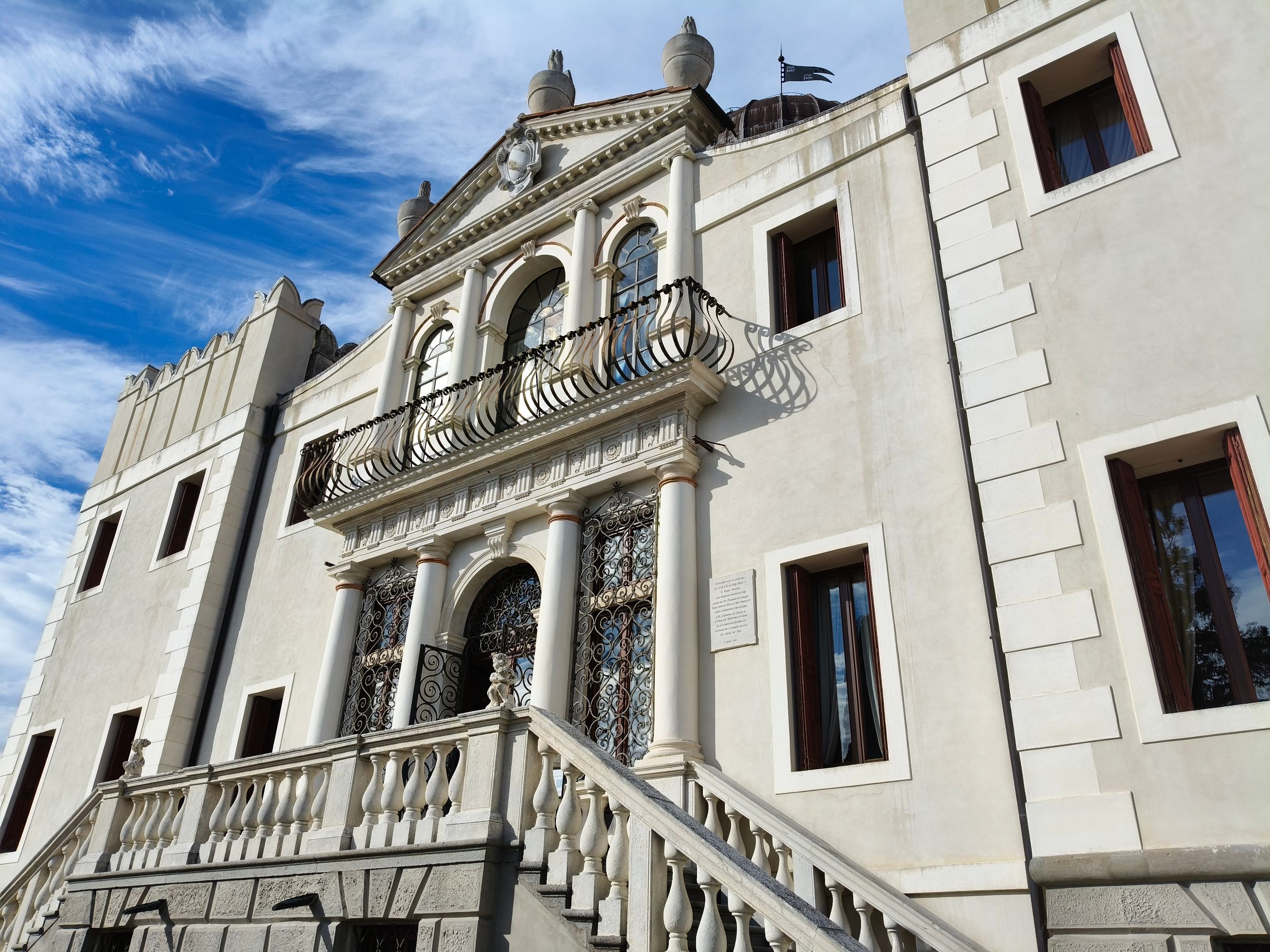
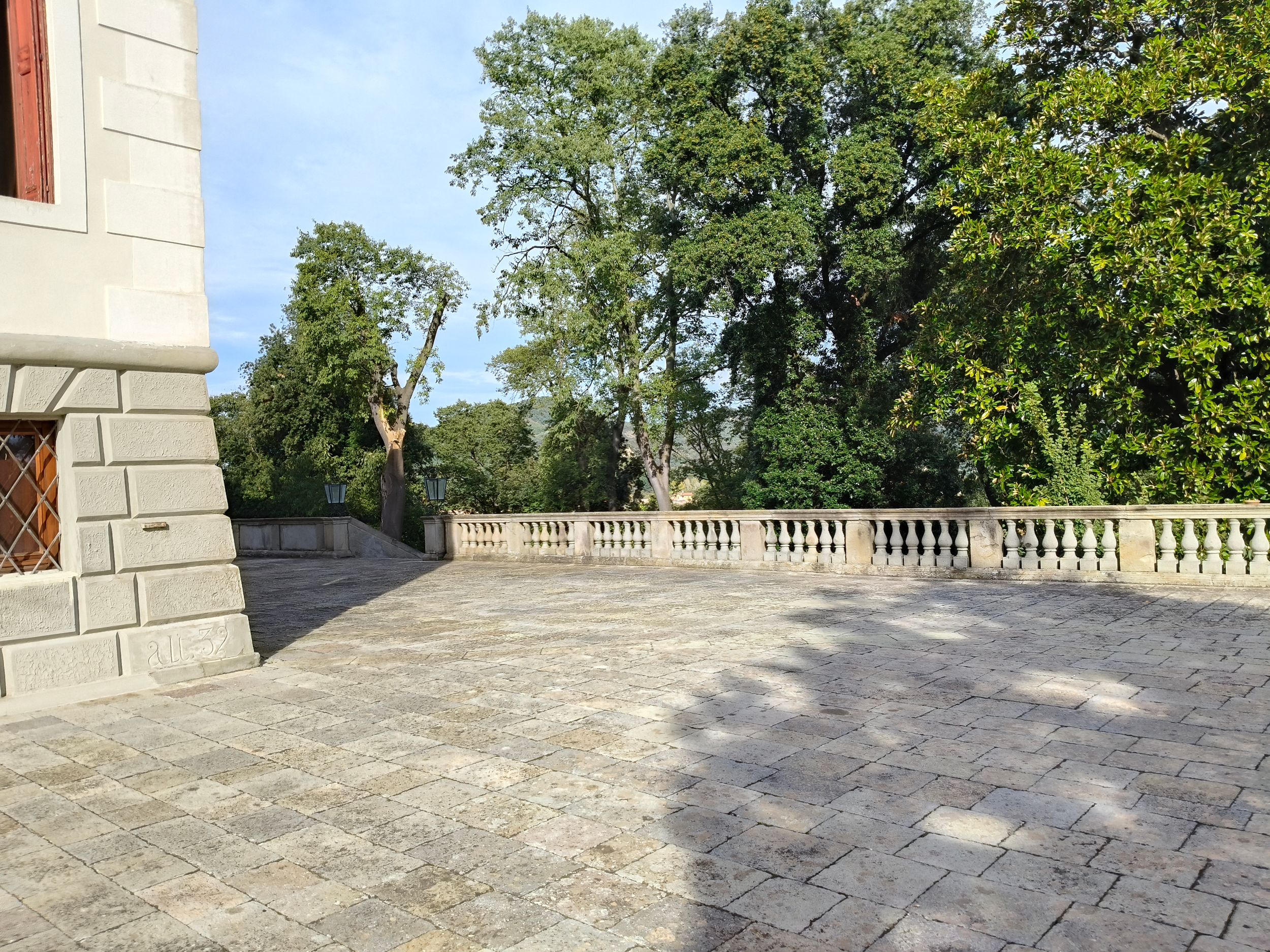
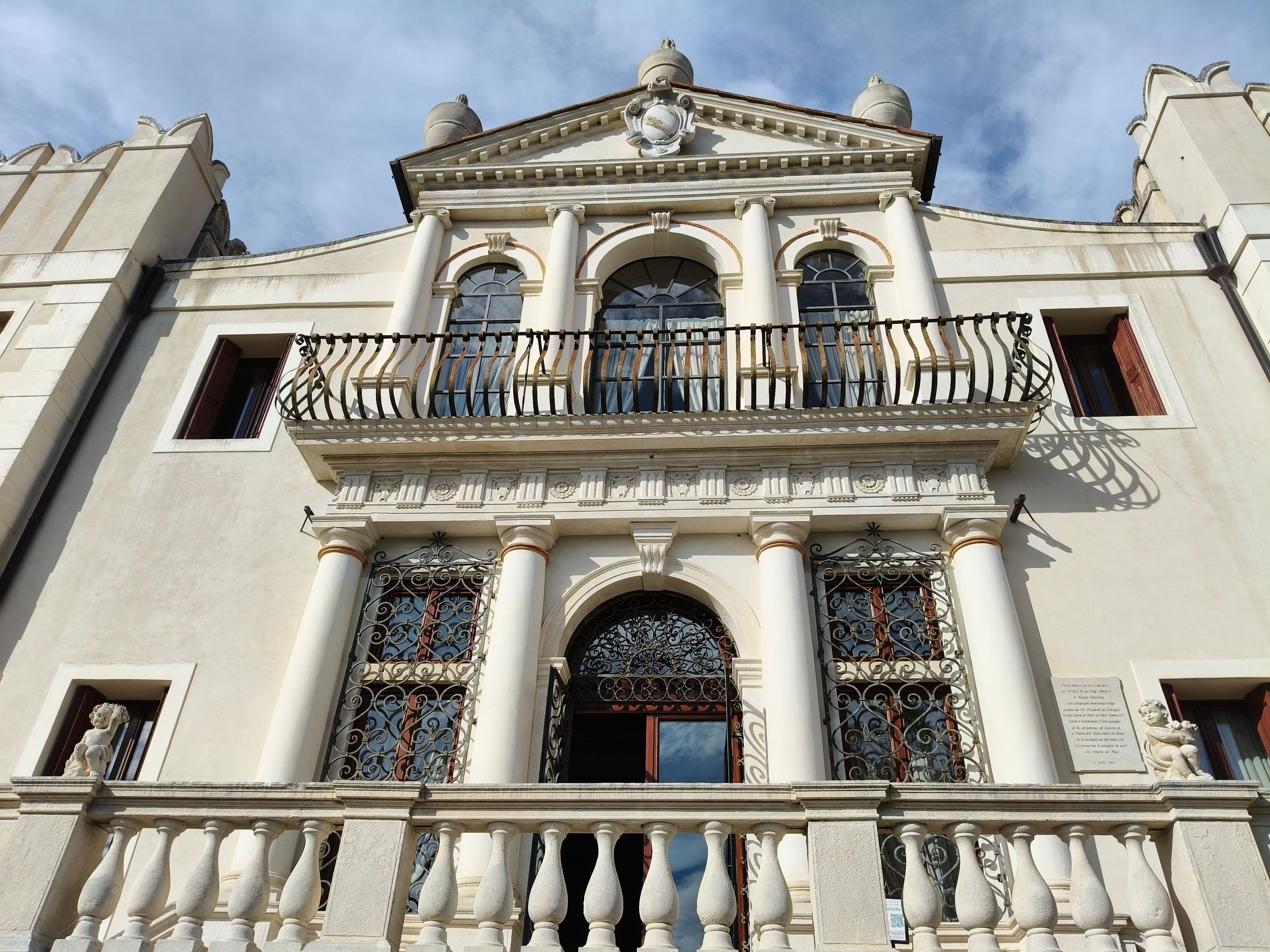
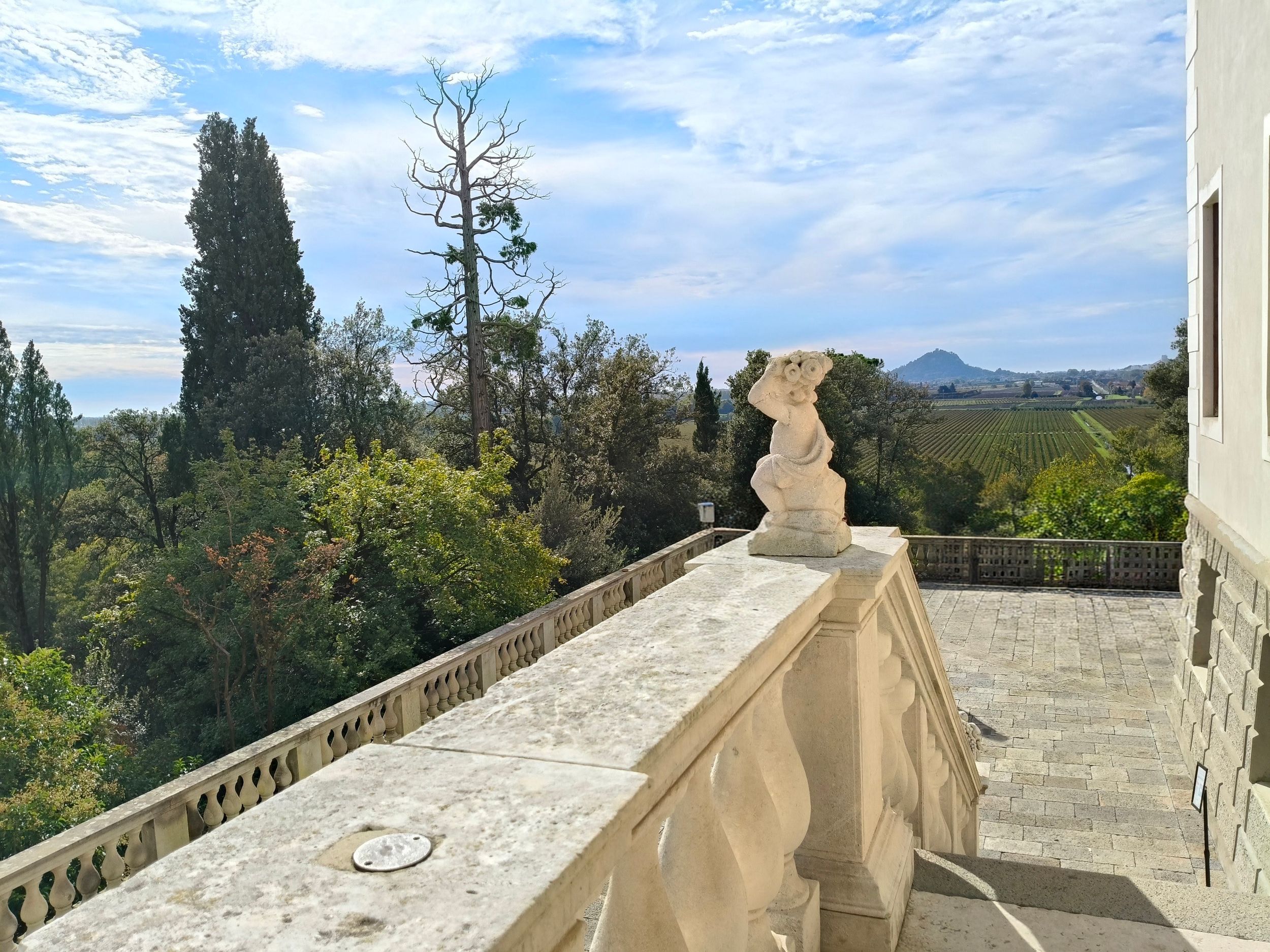
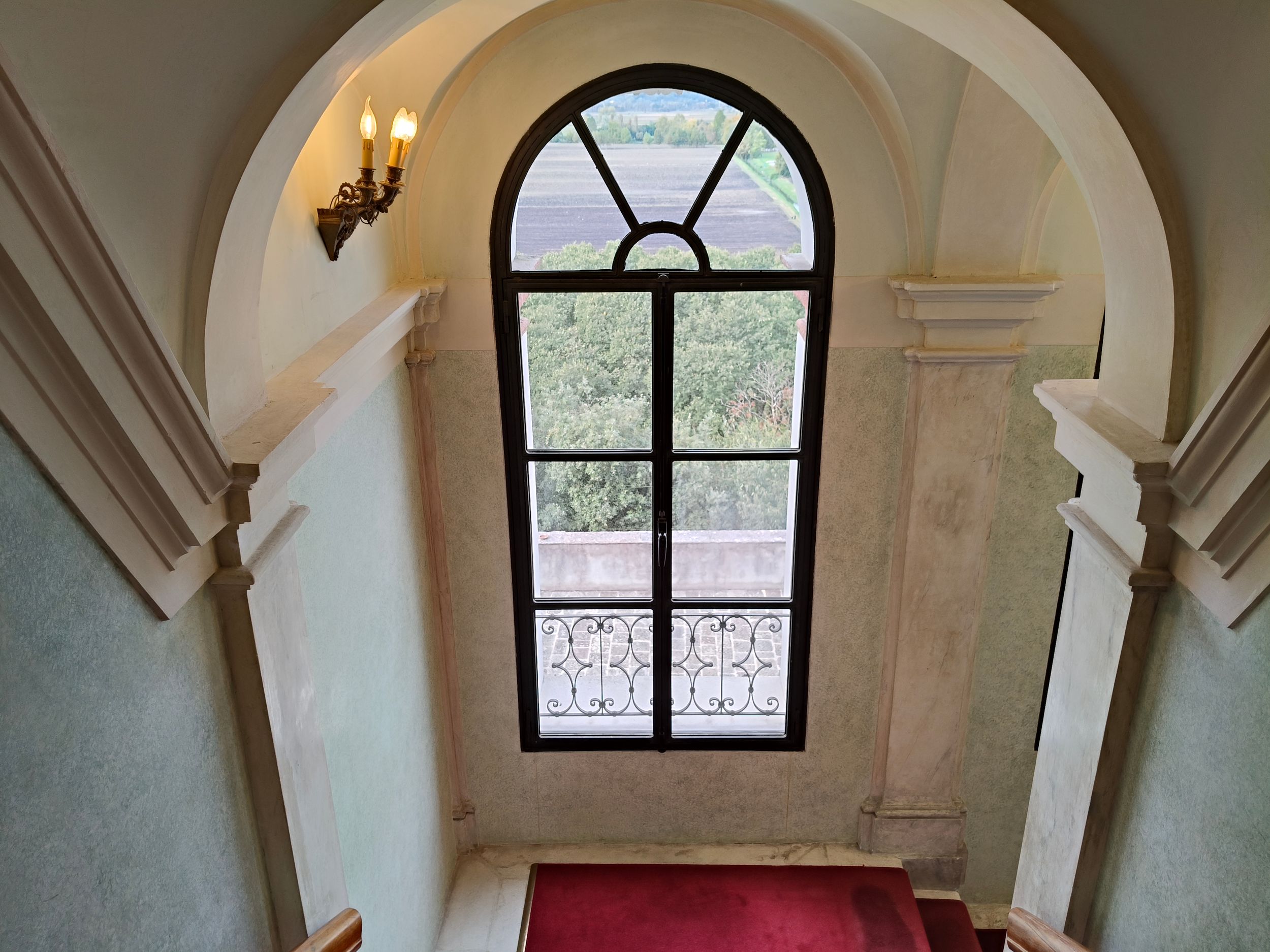
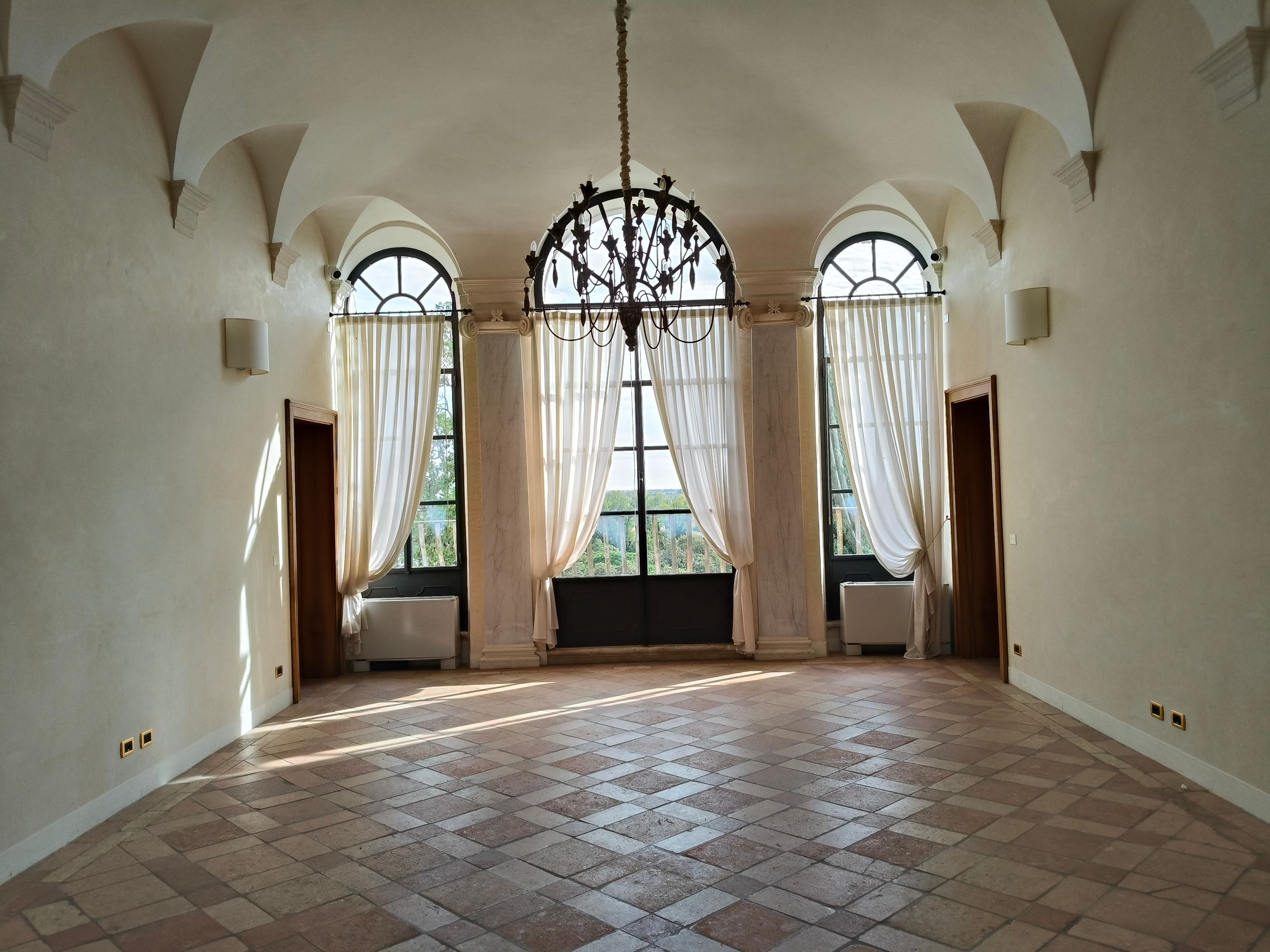
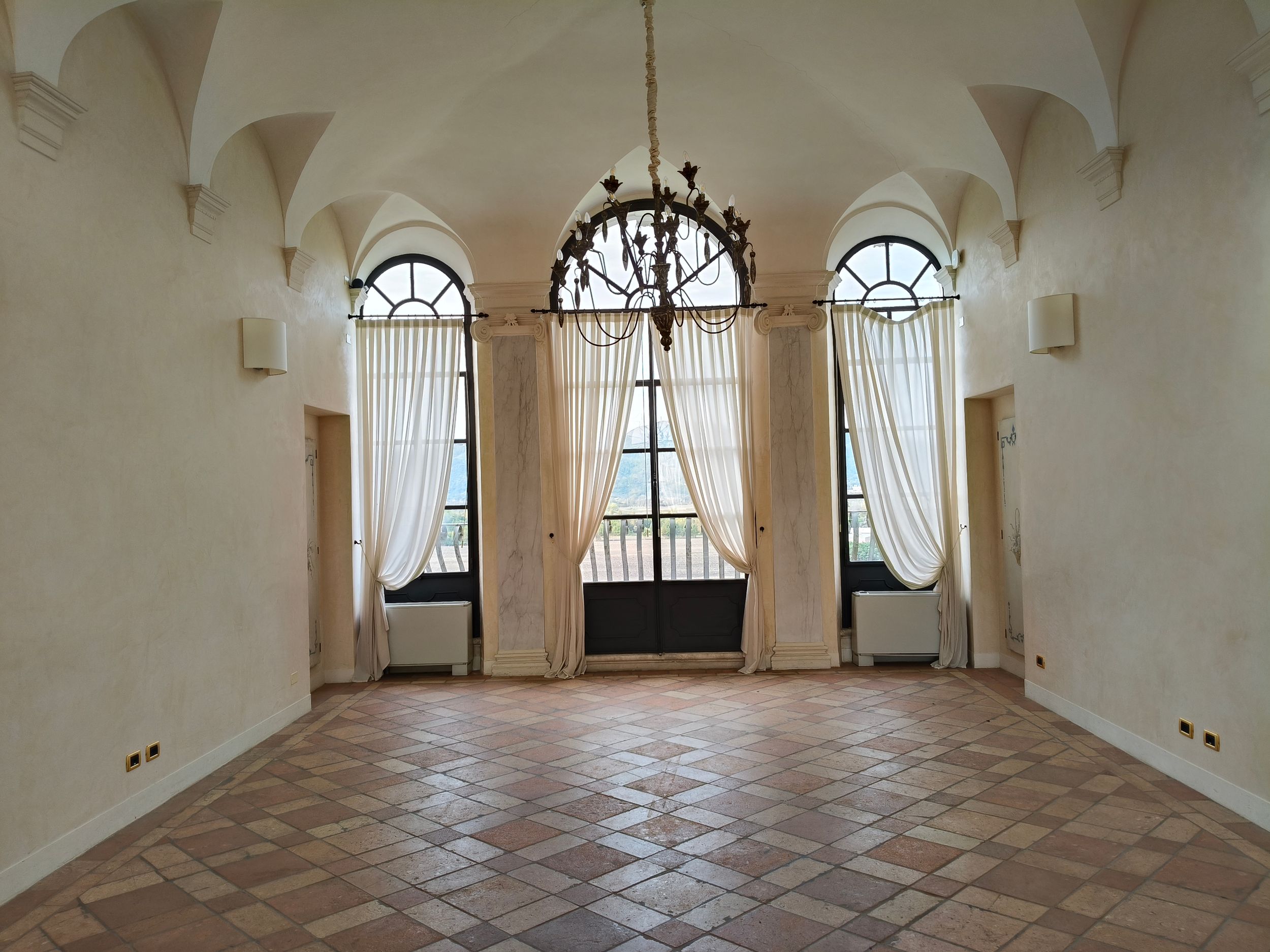
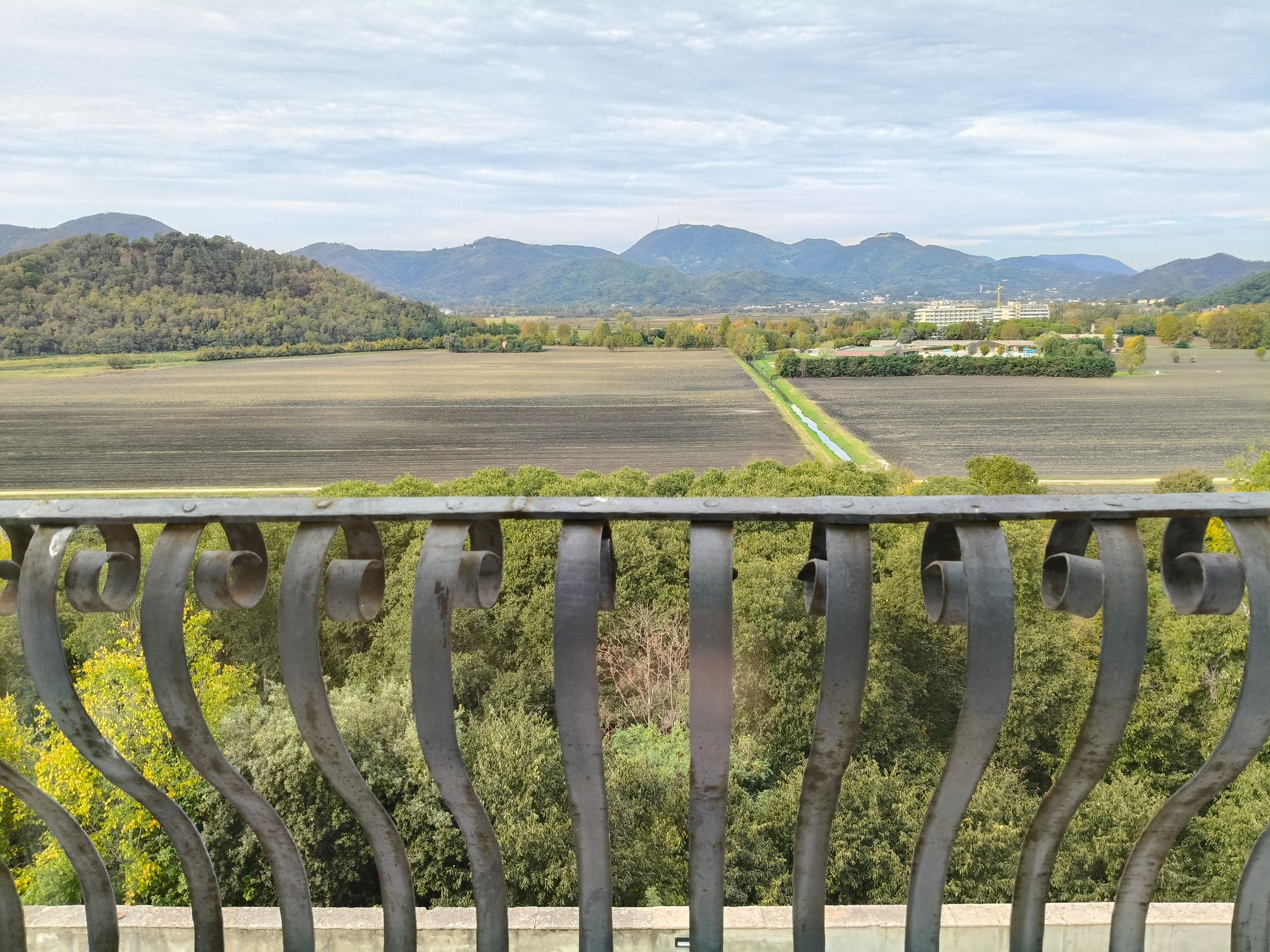
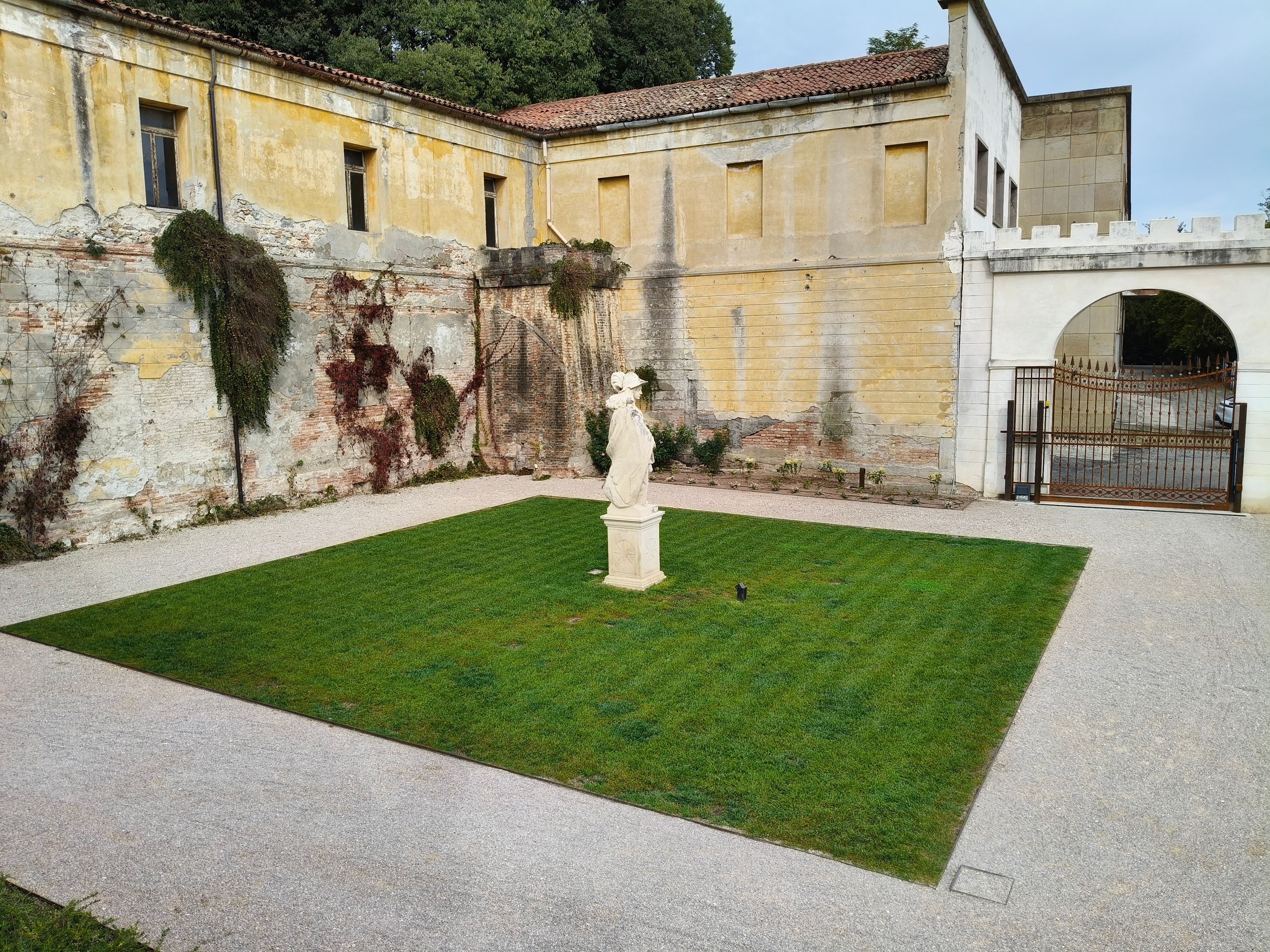
In the heart of the Veneto region, not far from Padua and the spa town of Abano Terme, on top of the Sant'Elena Hill (Colle di Sant'Elena) in the town of Battaglia Terme, stands one of the most picturesque and mysterious architectural landmarks of the 17th century - Villa Selvatico.
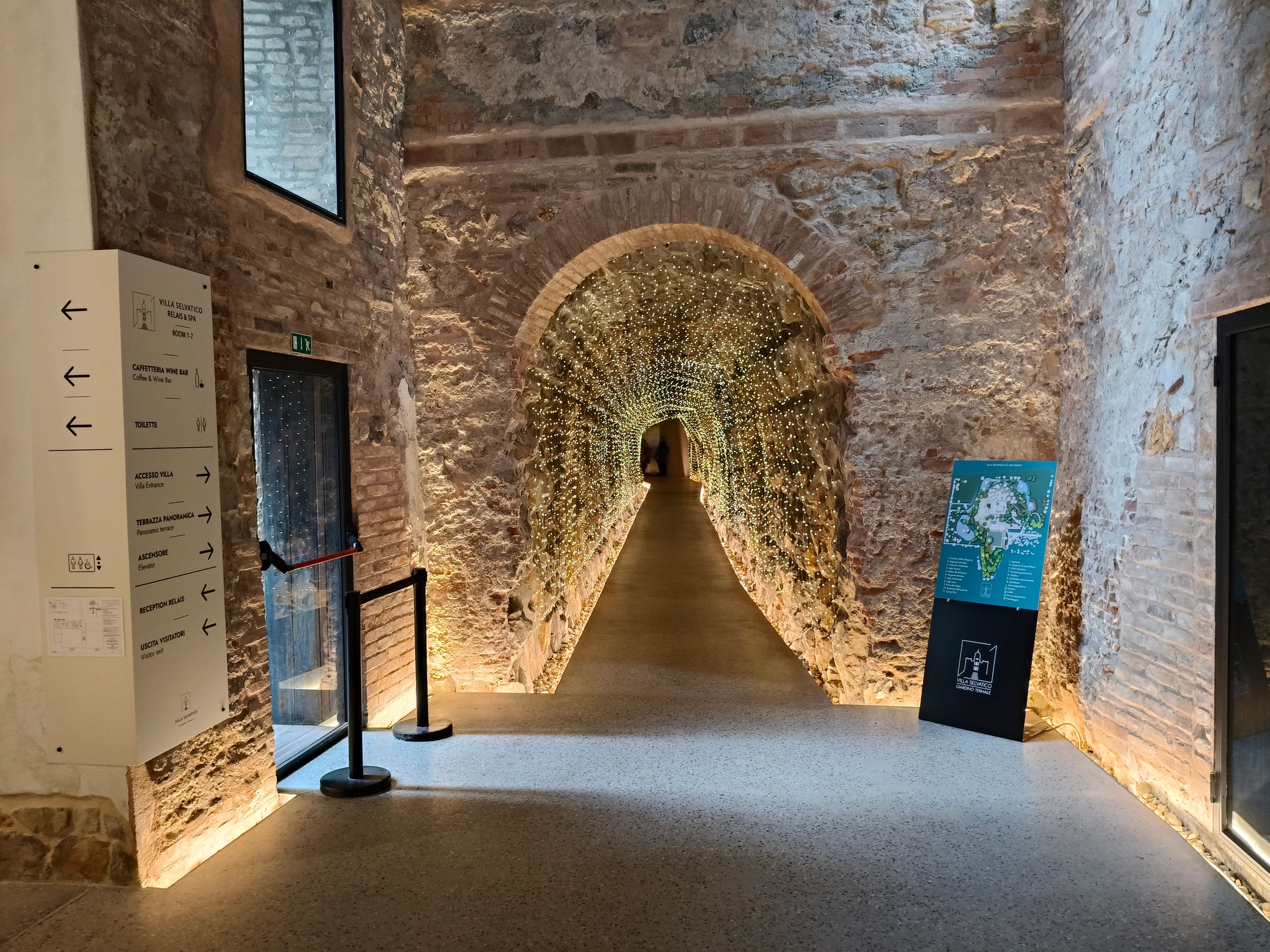
For a long time, this majestic complex was hidden from public view; however, following an extensive restoration, the villa and its romantic thermal park have reopened their doors.
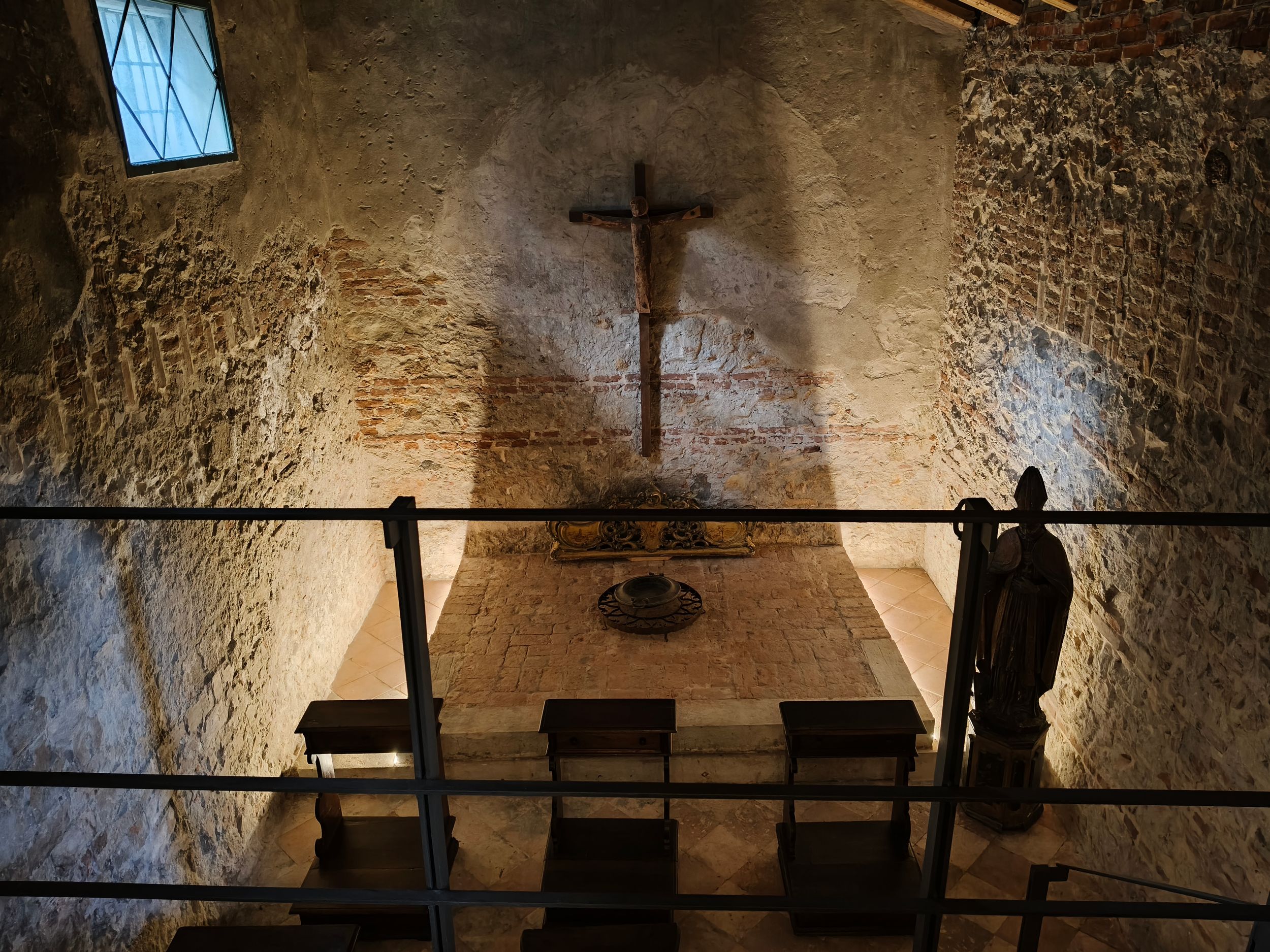
The first mentions of Sant’Elena Hill date back to the Middle Ages: as early as the 12th century, there was an underground cave with hot steam (“Monte della Stupa”) and an ancient oratory on the site. The history of the villa in its present form begins in the late 16th century, when the noble Paduan Selvatico family acquired these lands. Construction of the main building continued from 1593 to 1650. The design combined traditional Venetian Baroque with the architectural ideals of Andrea Palladio. The villa has always attracted travelers and prominent cultural figures.
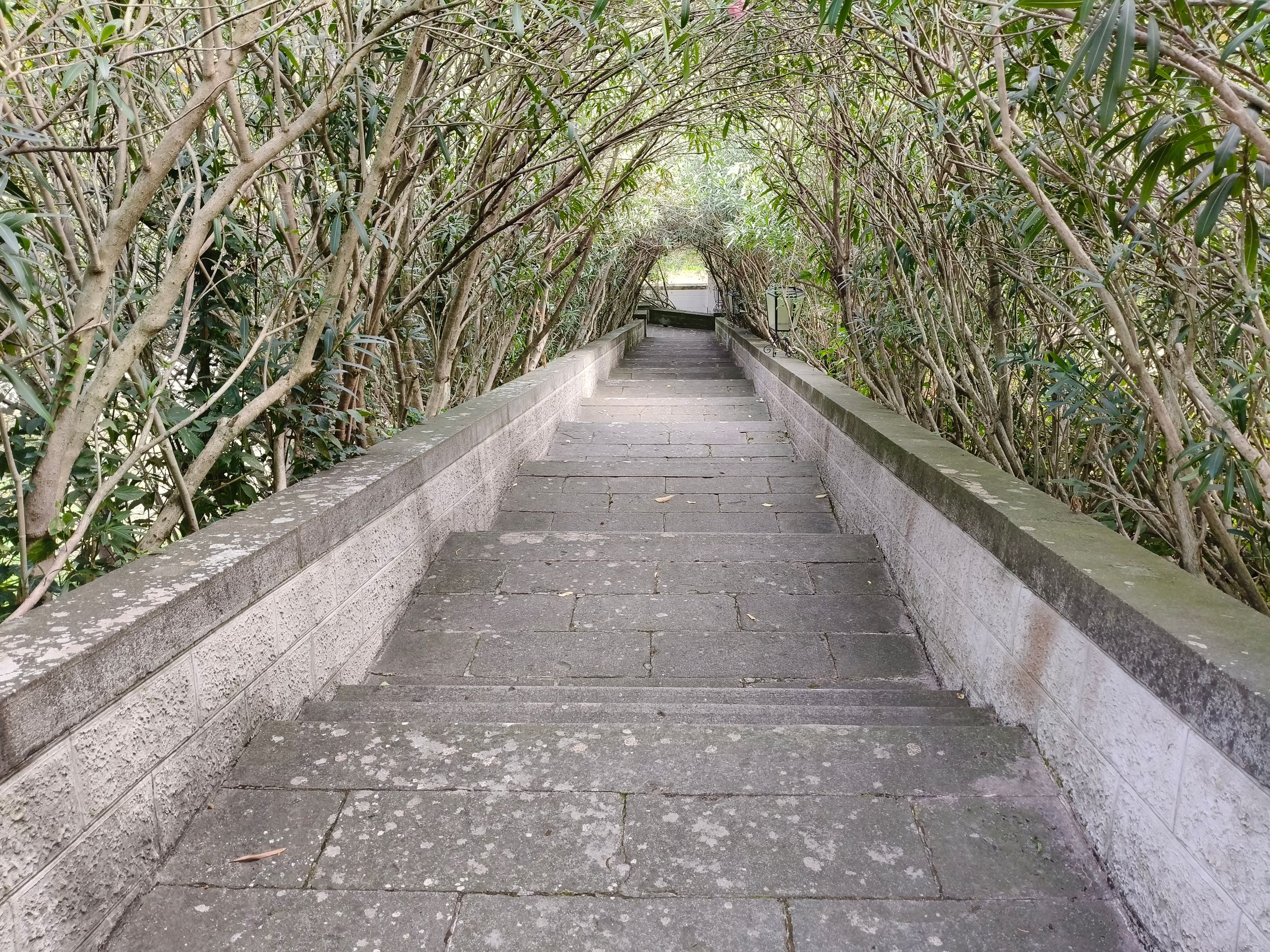
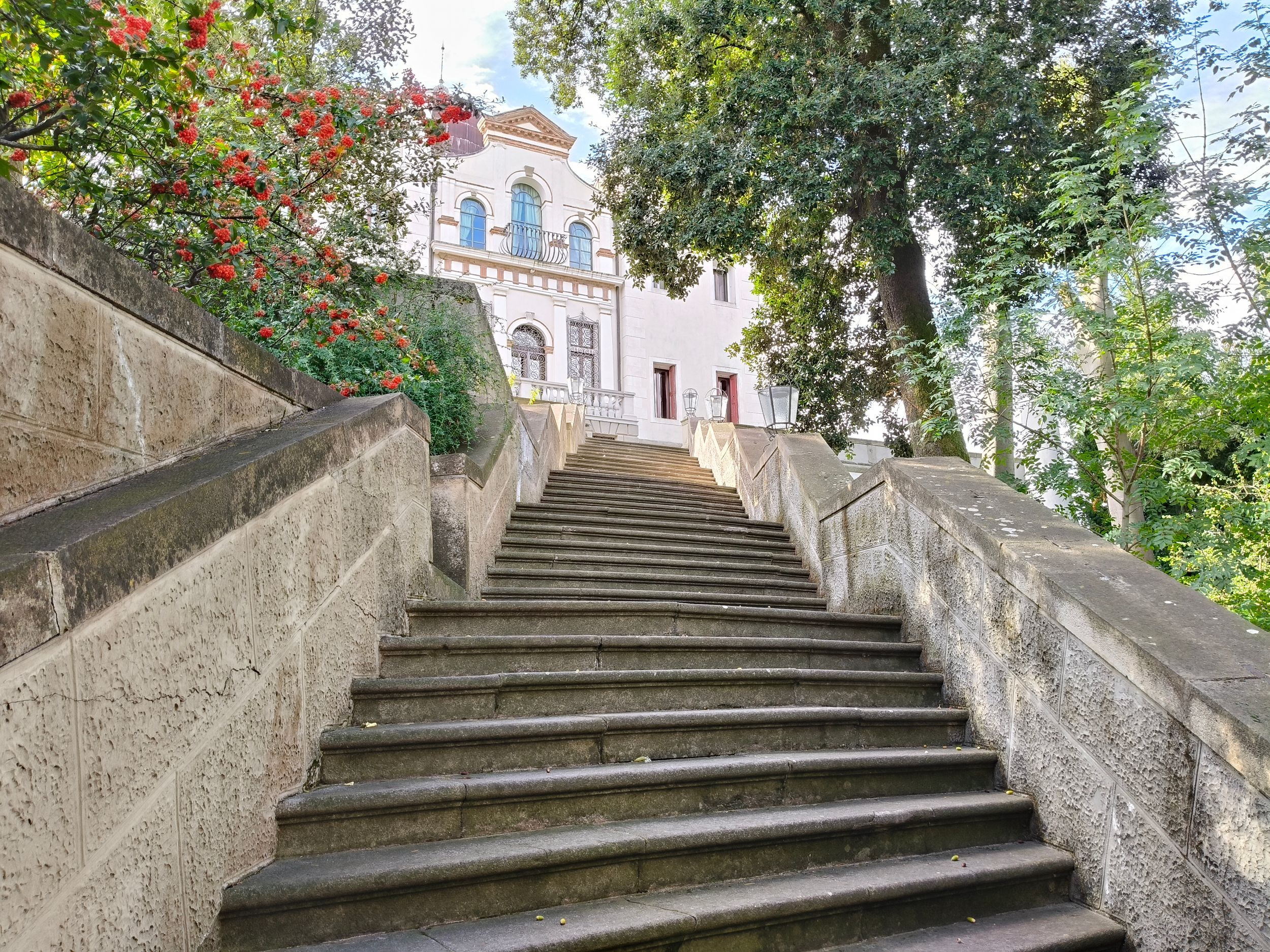
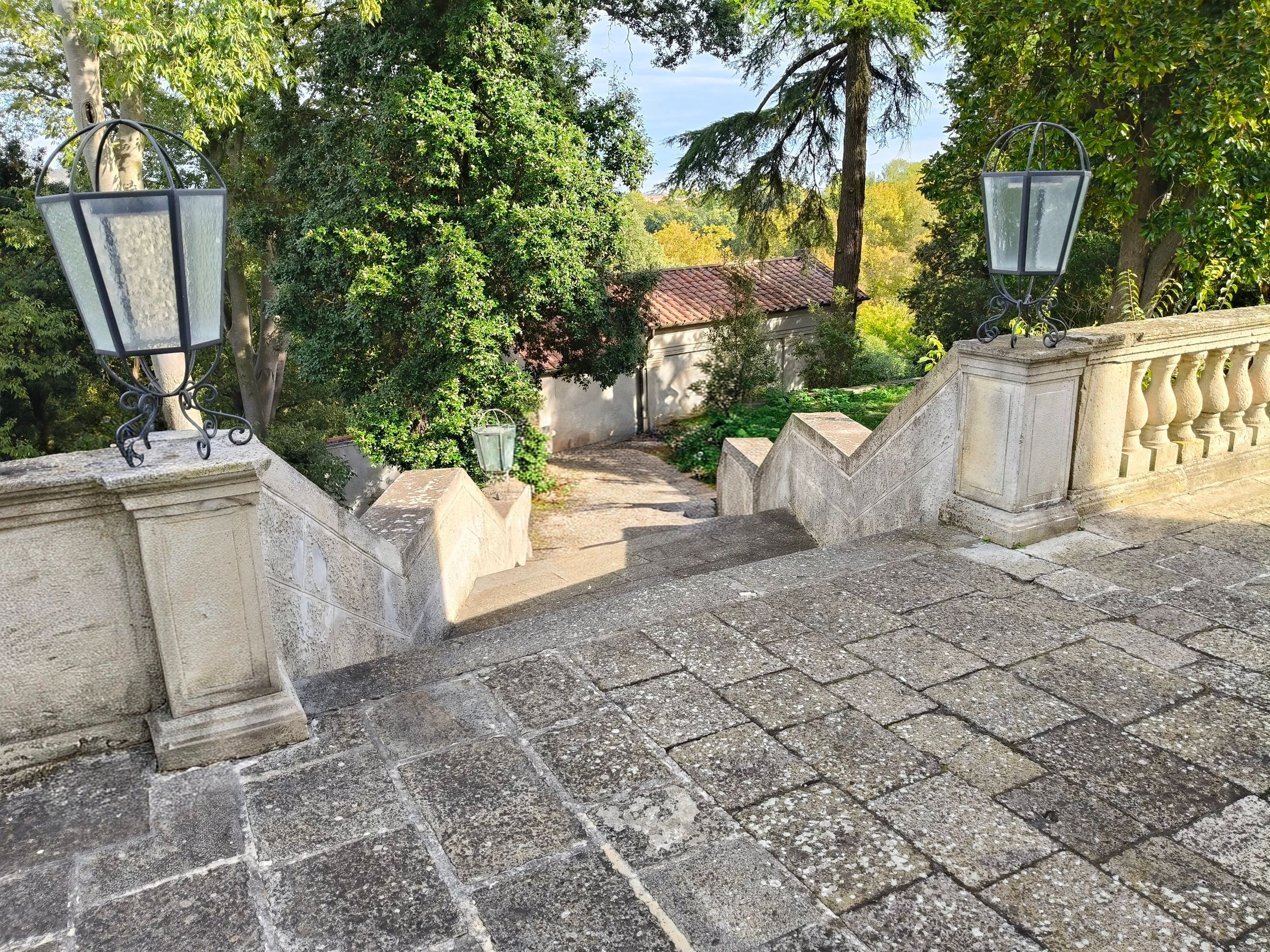
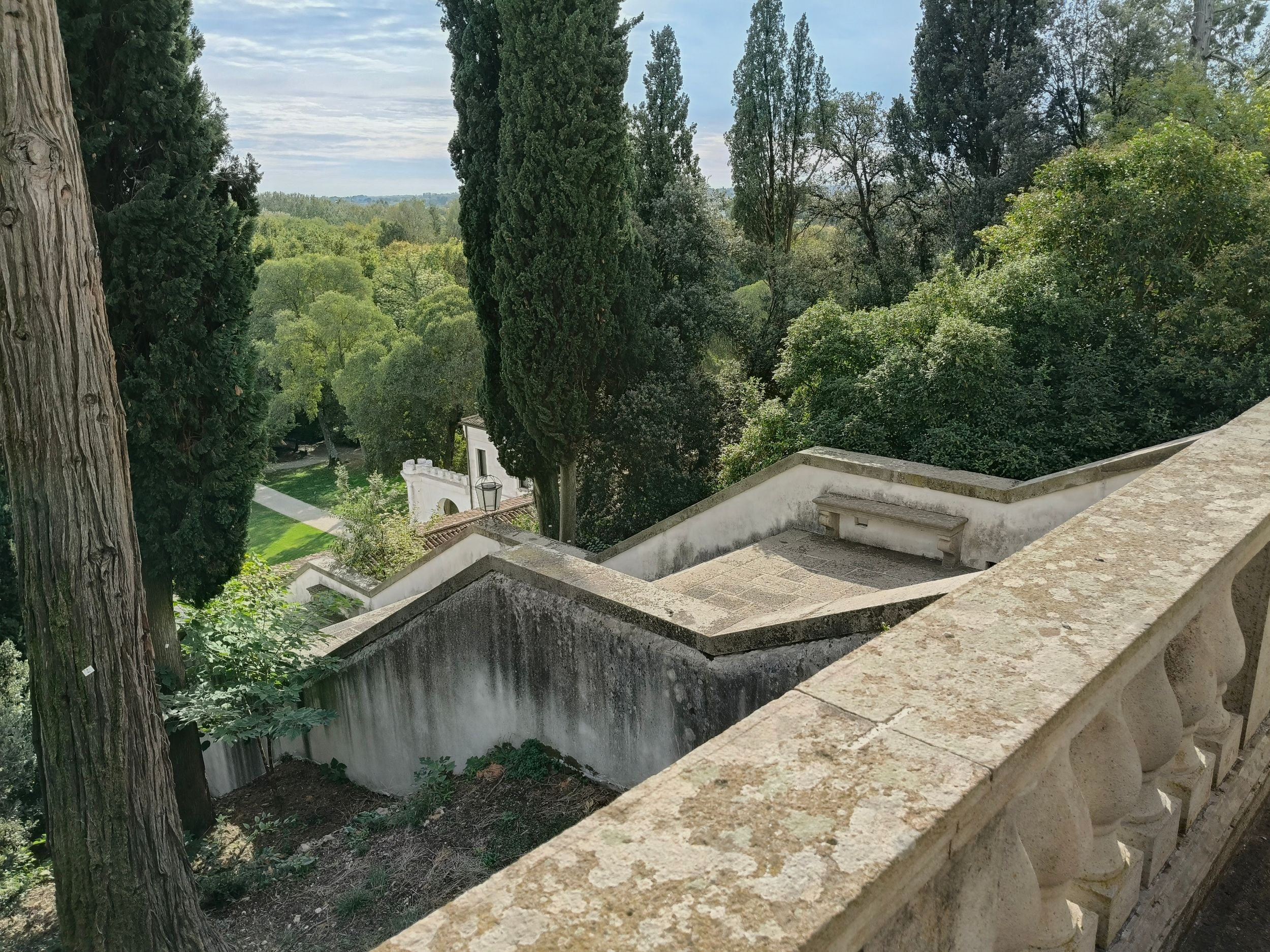
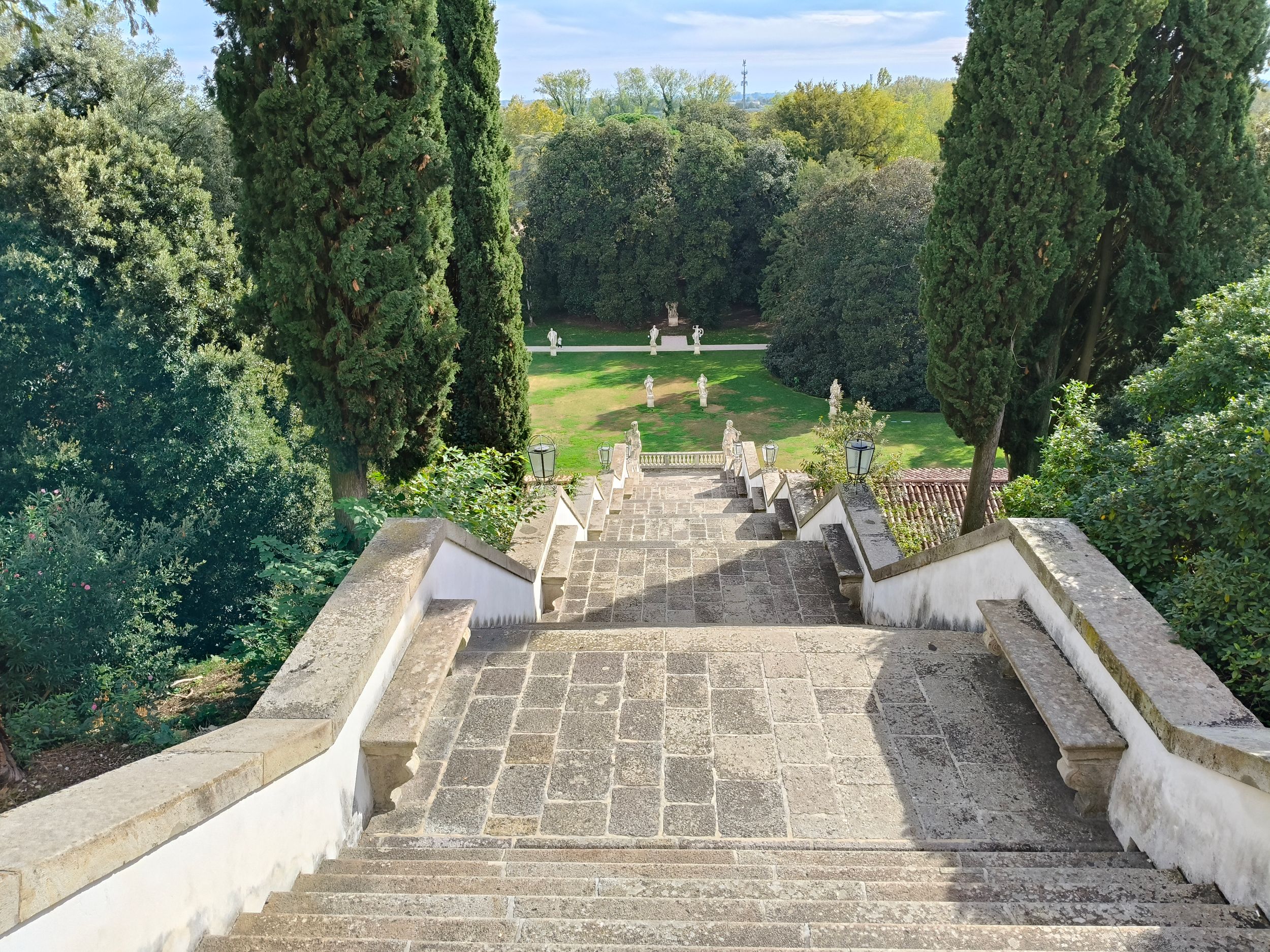
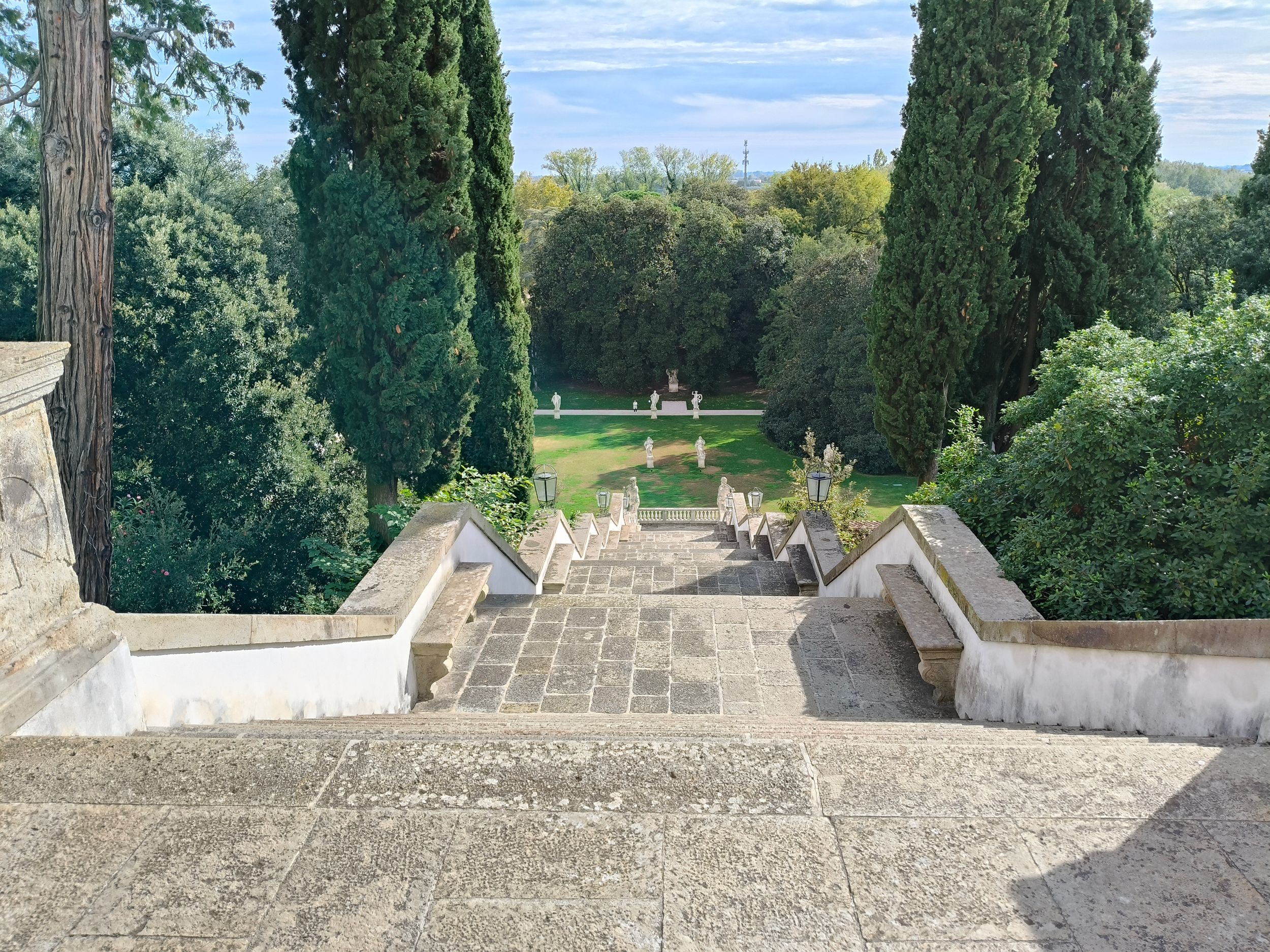
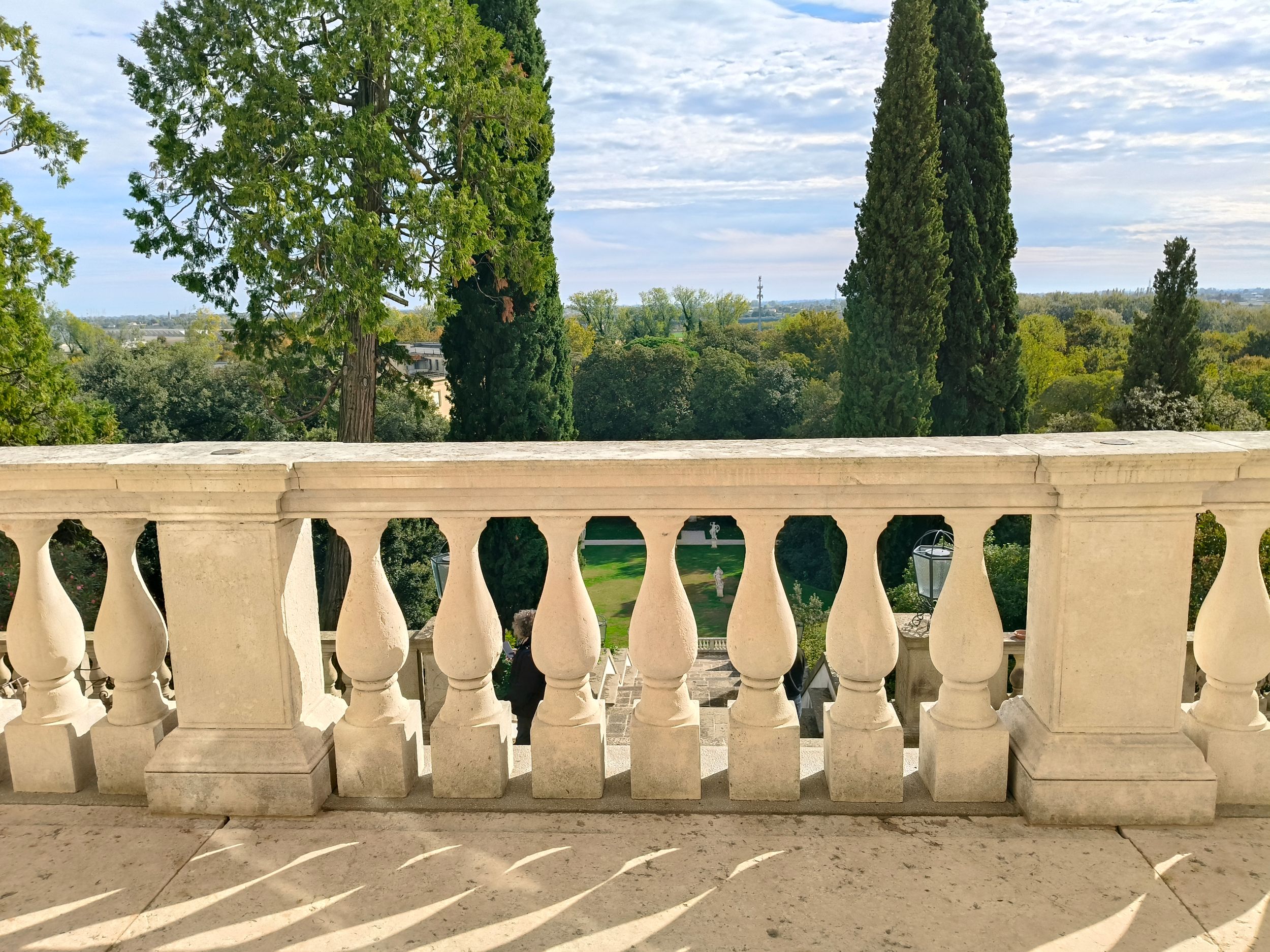
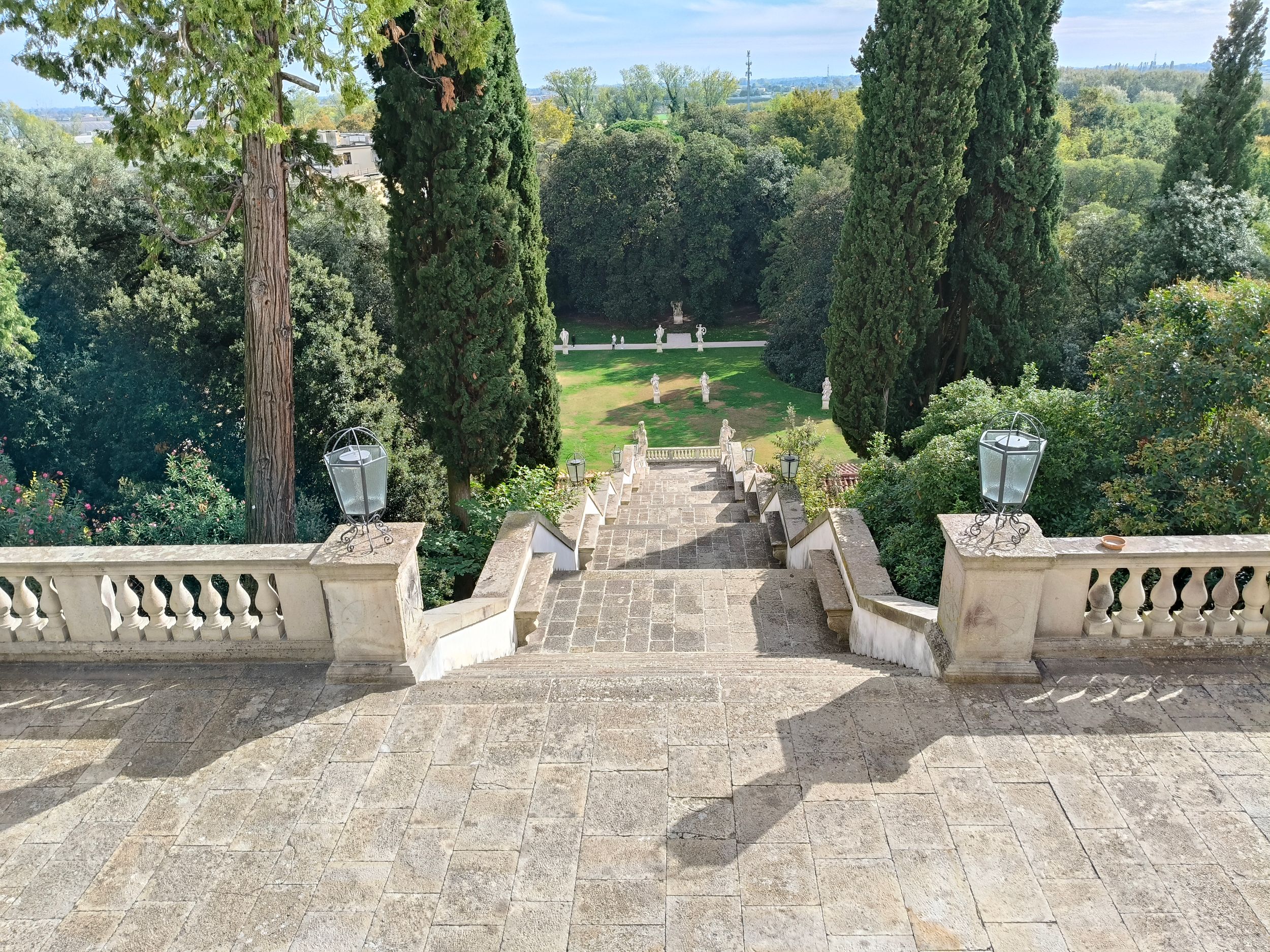
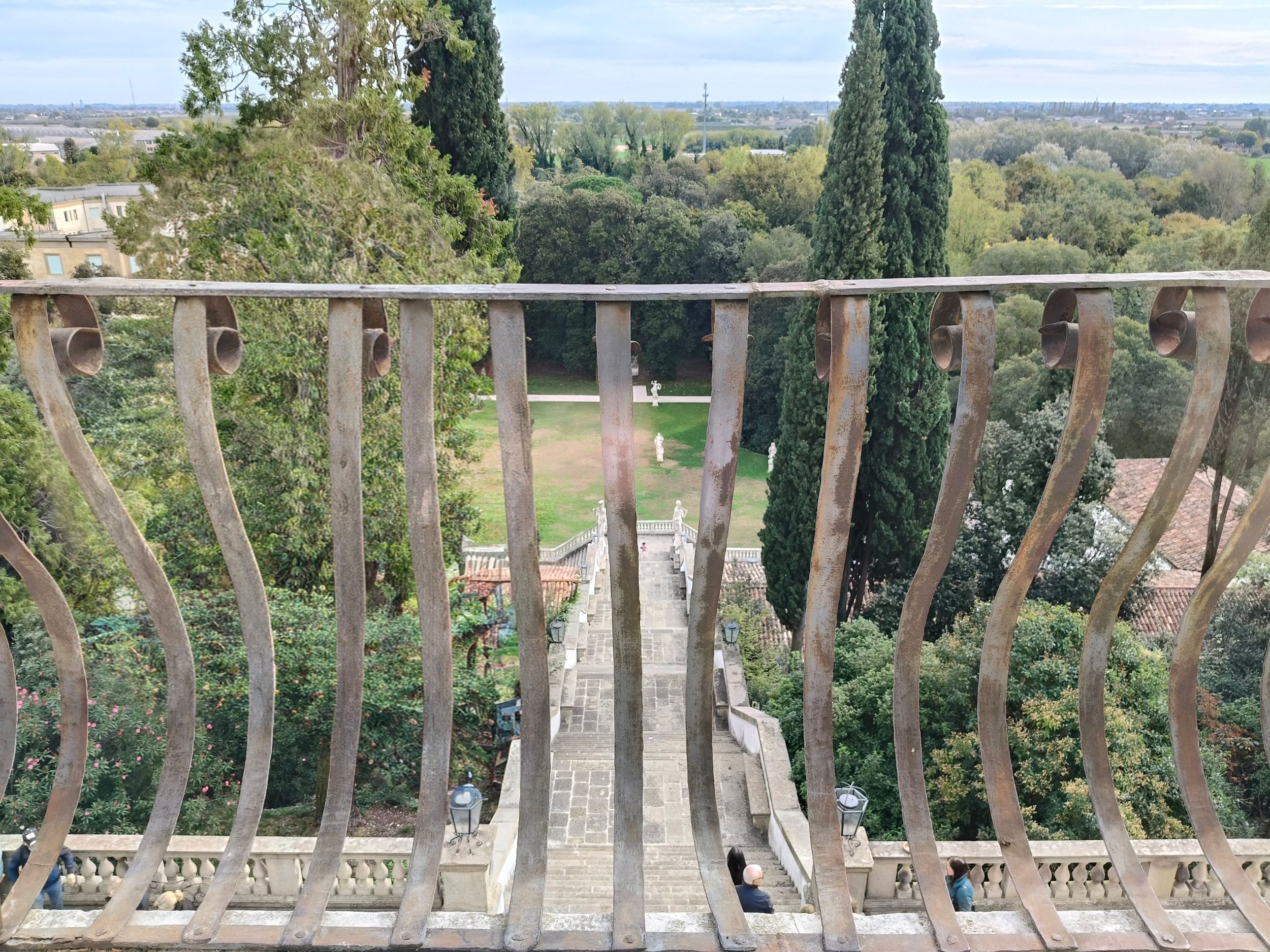
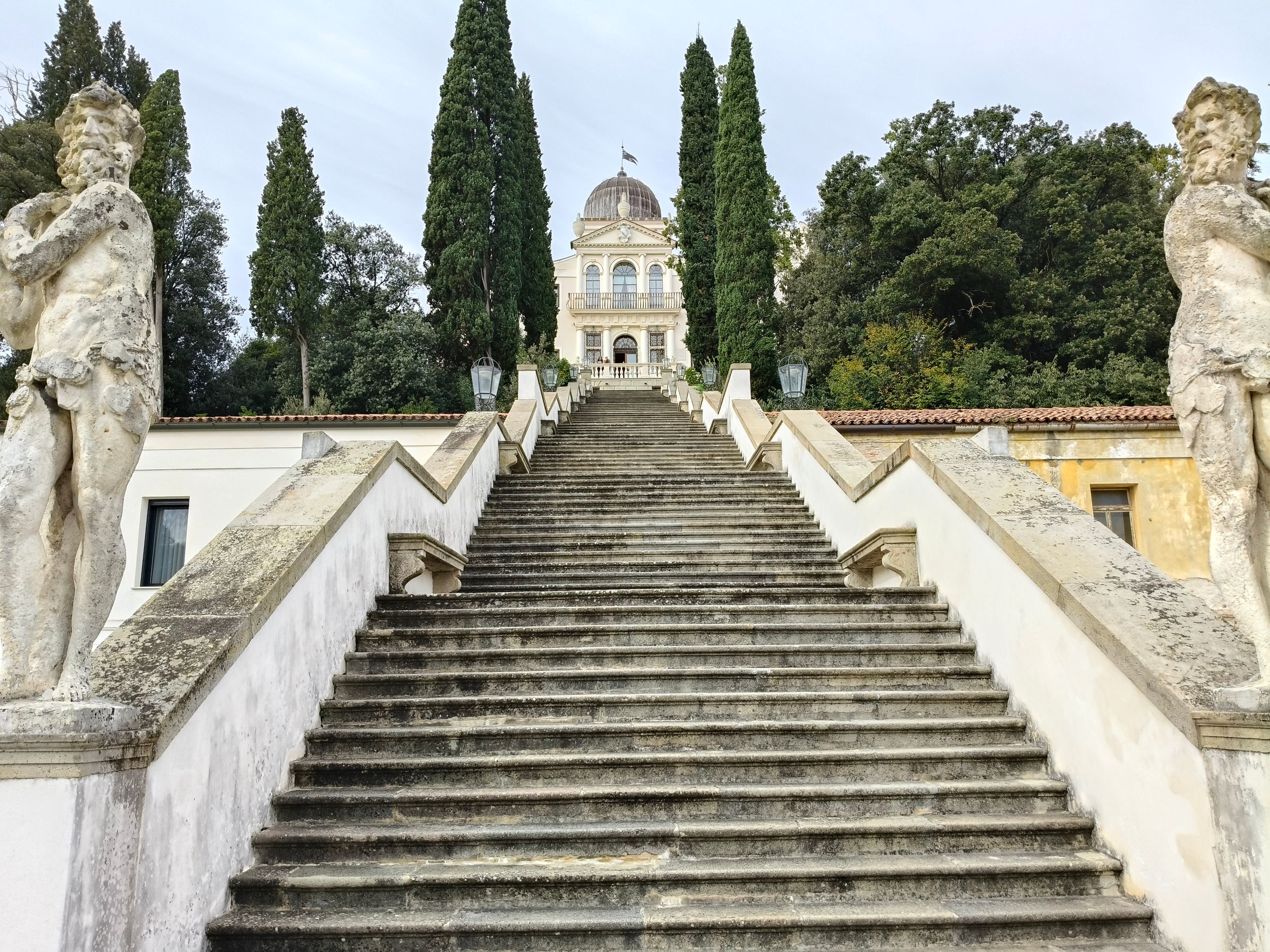
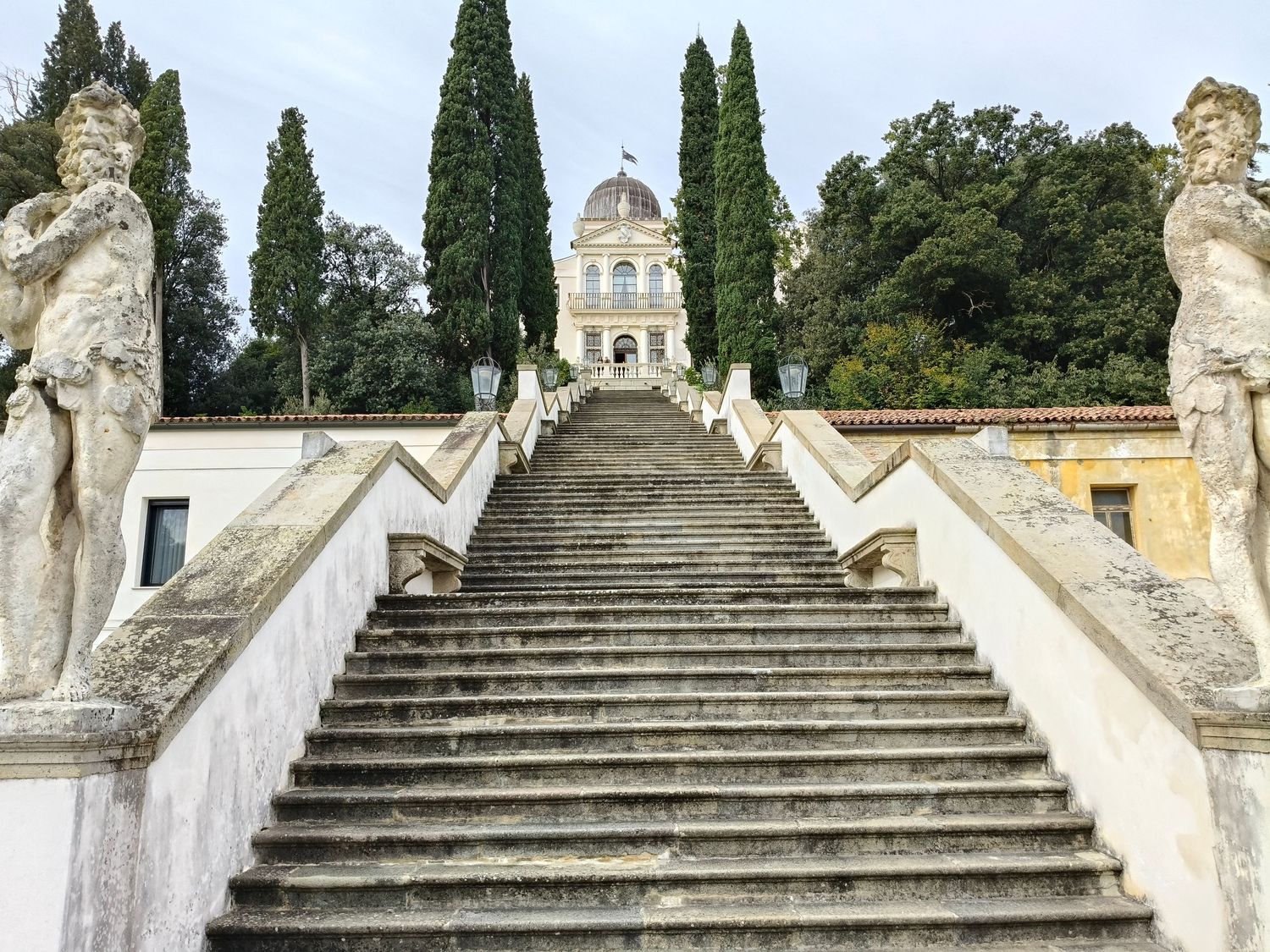
A grand staircase of 144 steps, carved from local Euganean trachyte, leads to the main entrance. Climbing it is conceived as a metaphorical ascent—a journey from the “dark forest” to the summit.
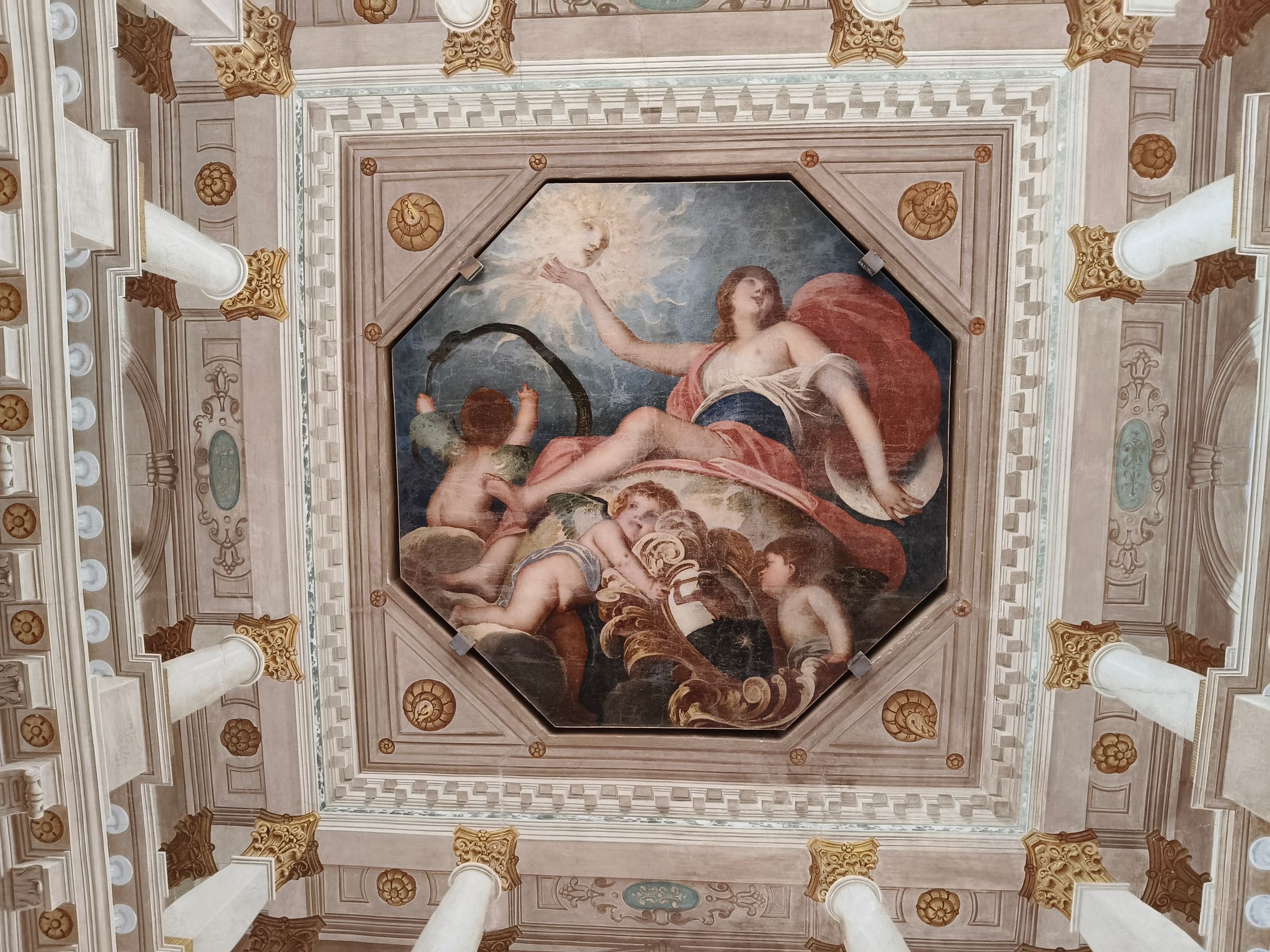
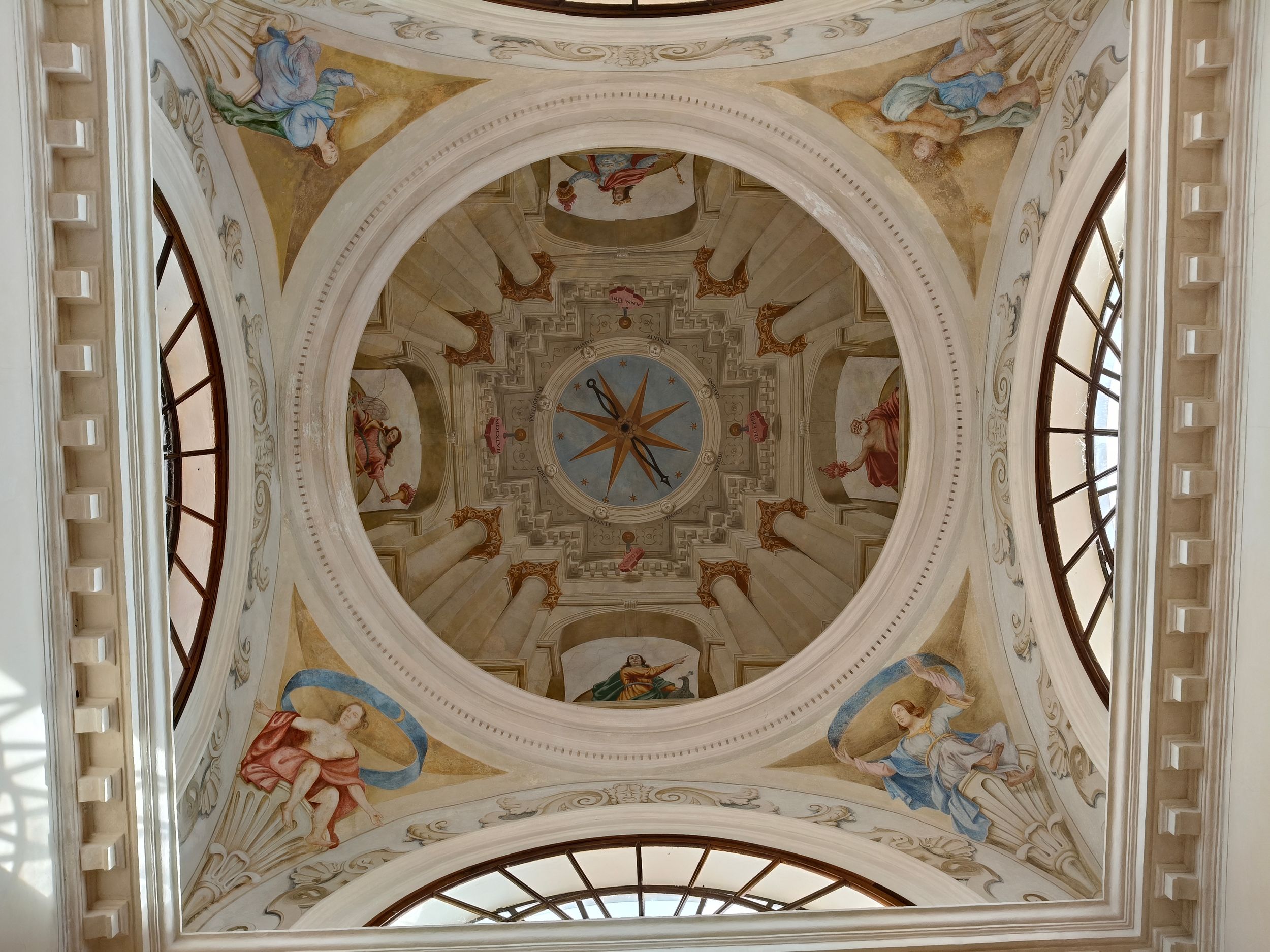
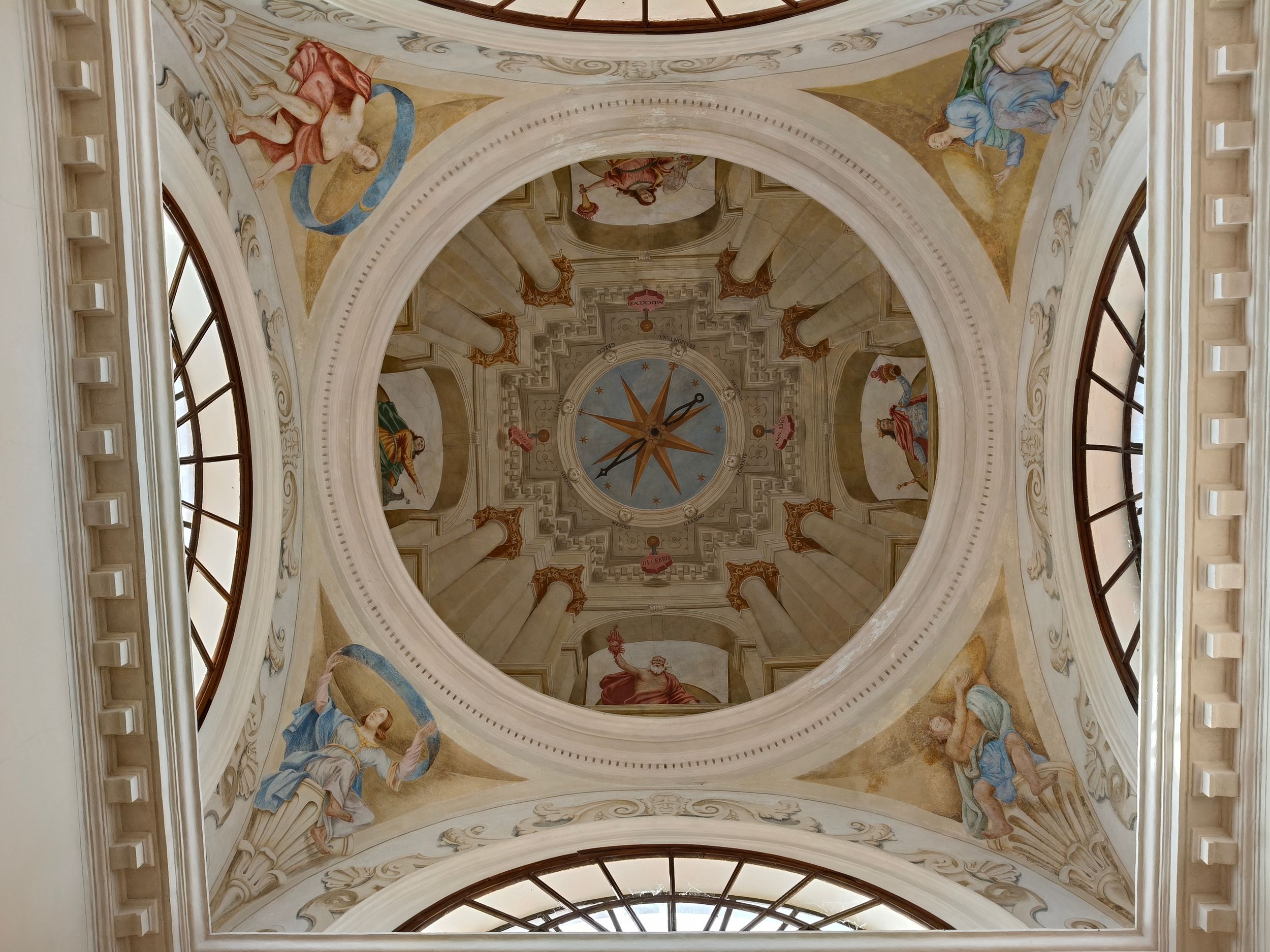
The heart of the villa is the central hall, shaped like a Greek cross, covered by a dome featuring an optical illusion of Corinthian columns and a fresco titled “The Wind Rose” (by Lorenzo Bedoni).
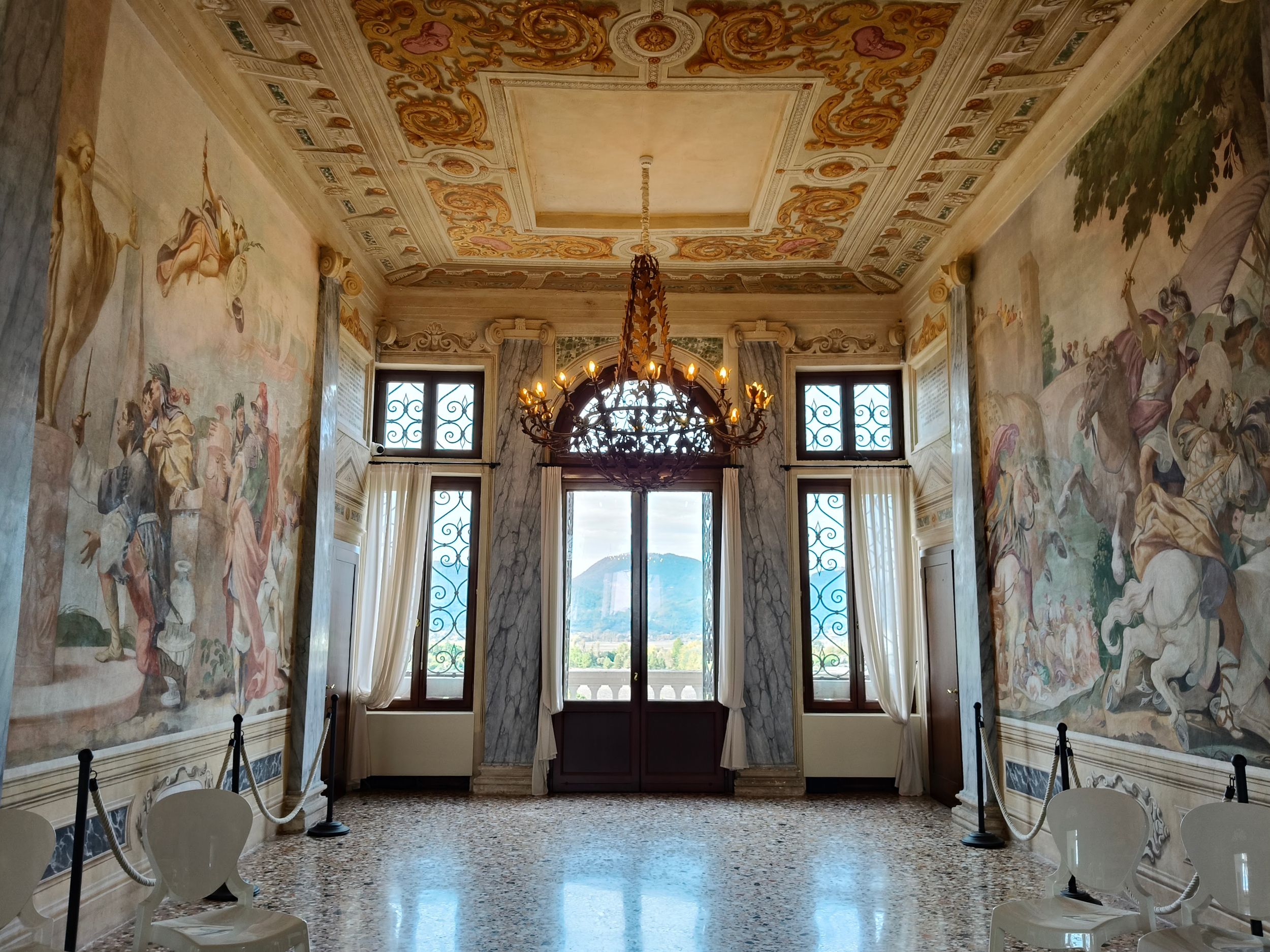
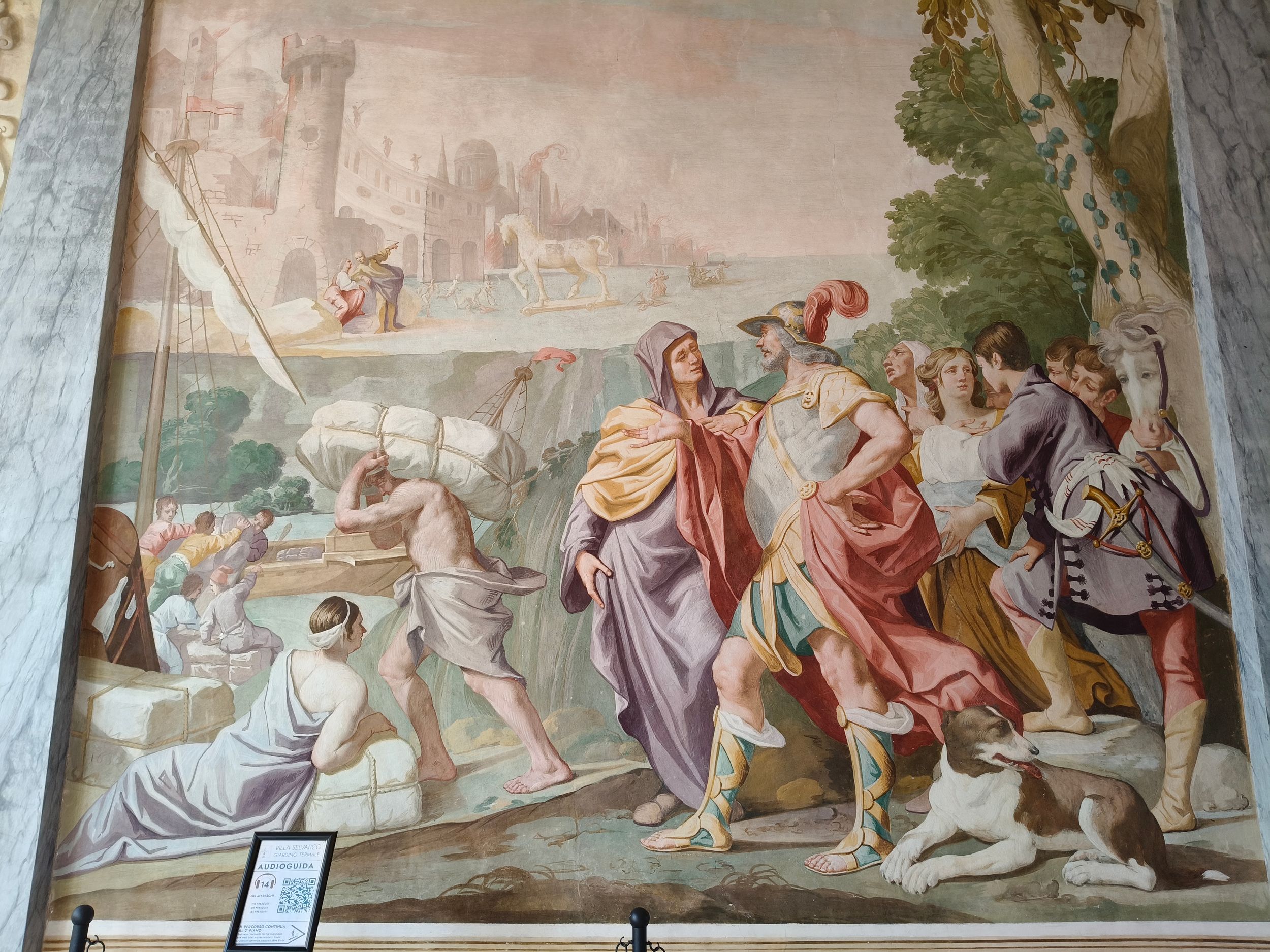
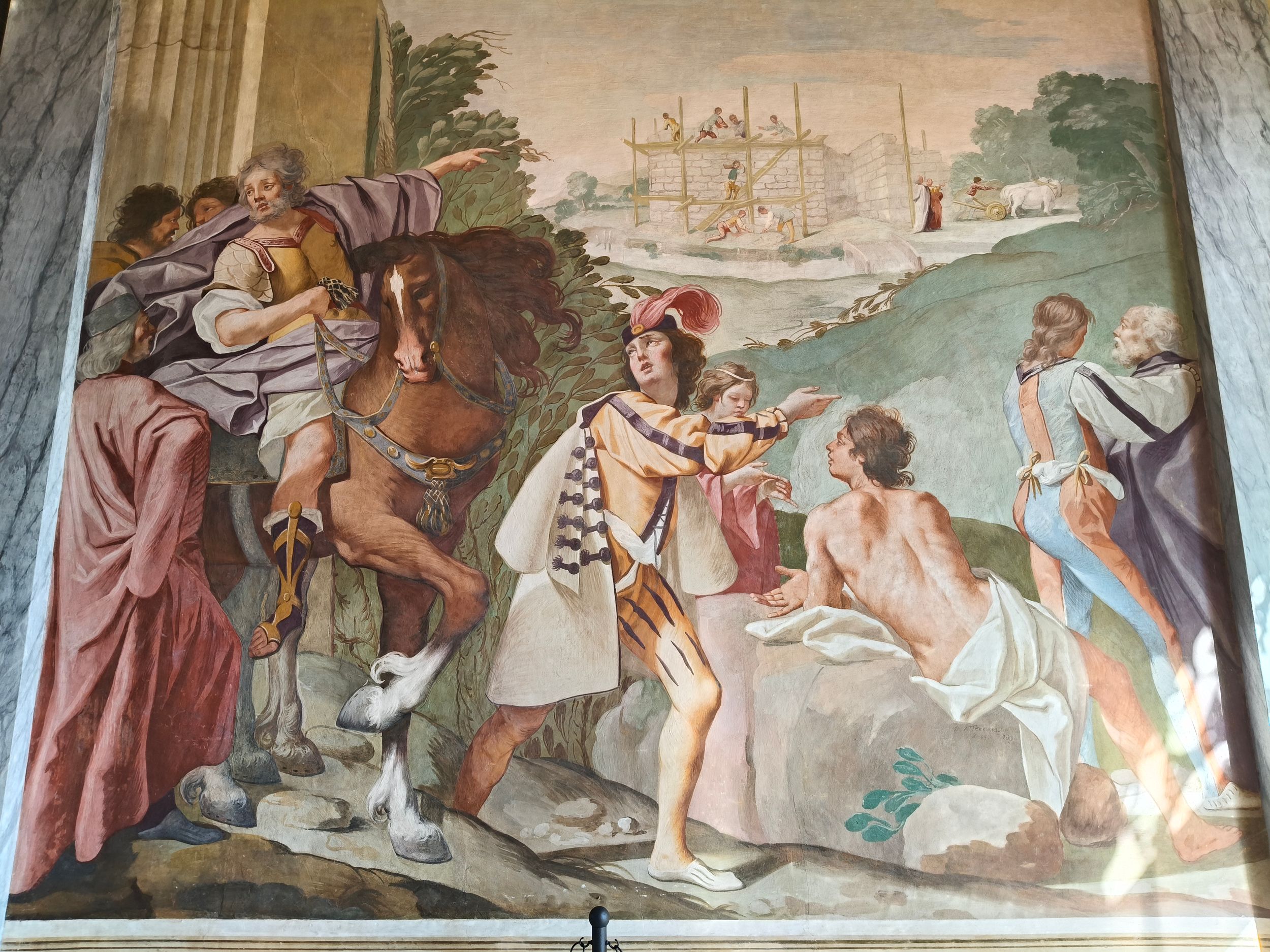
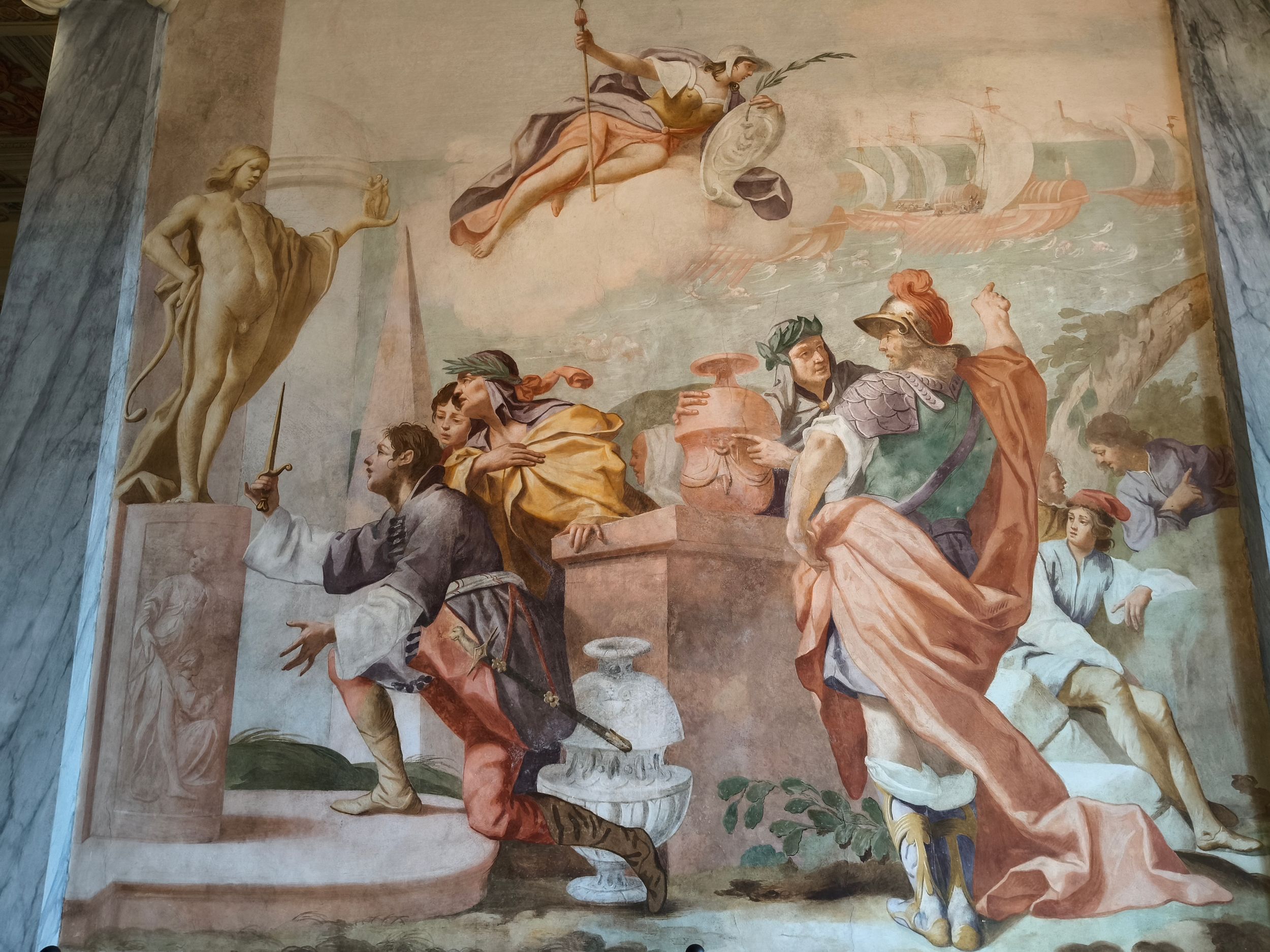
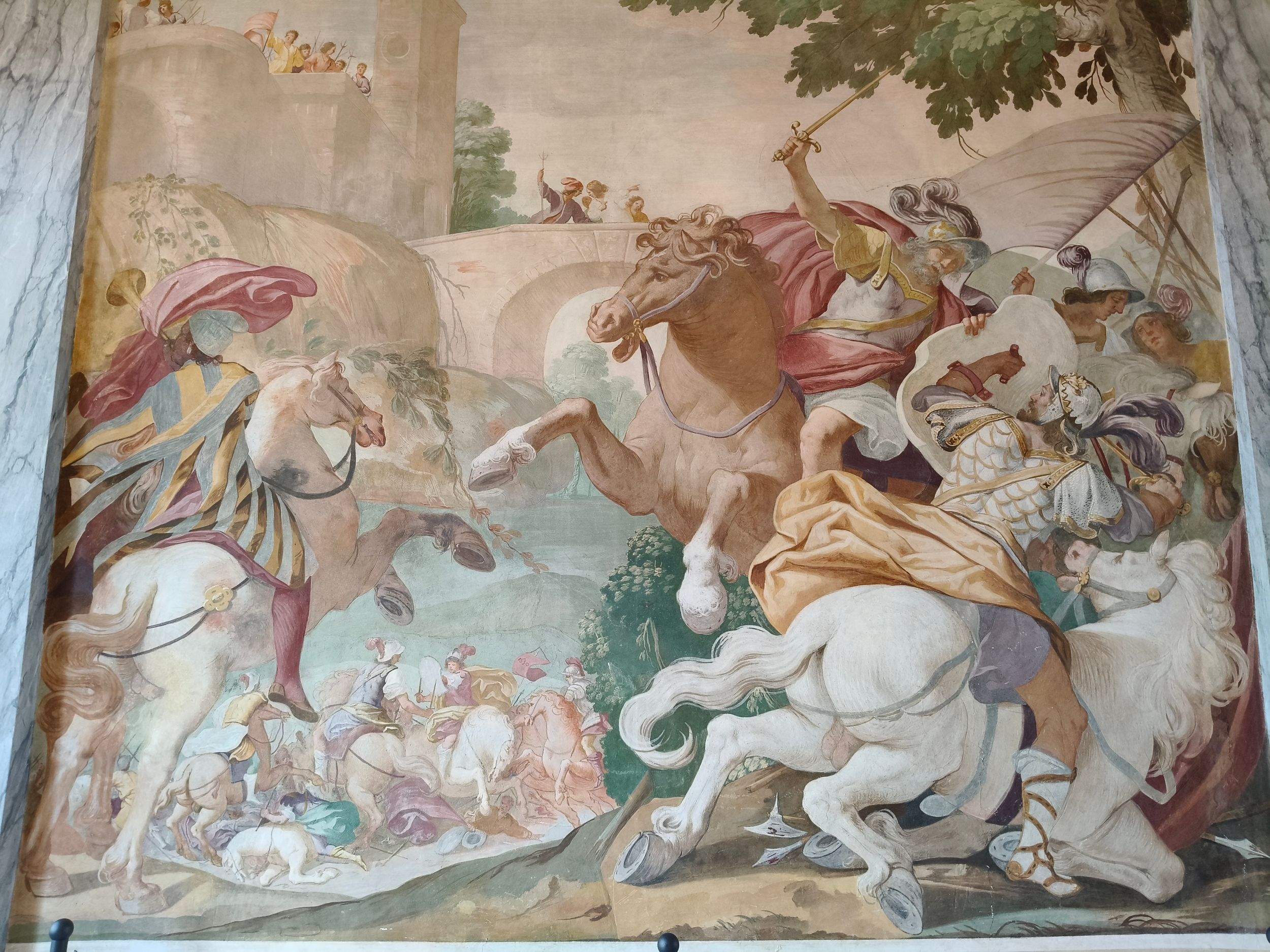
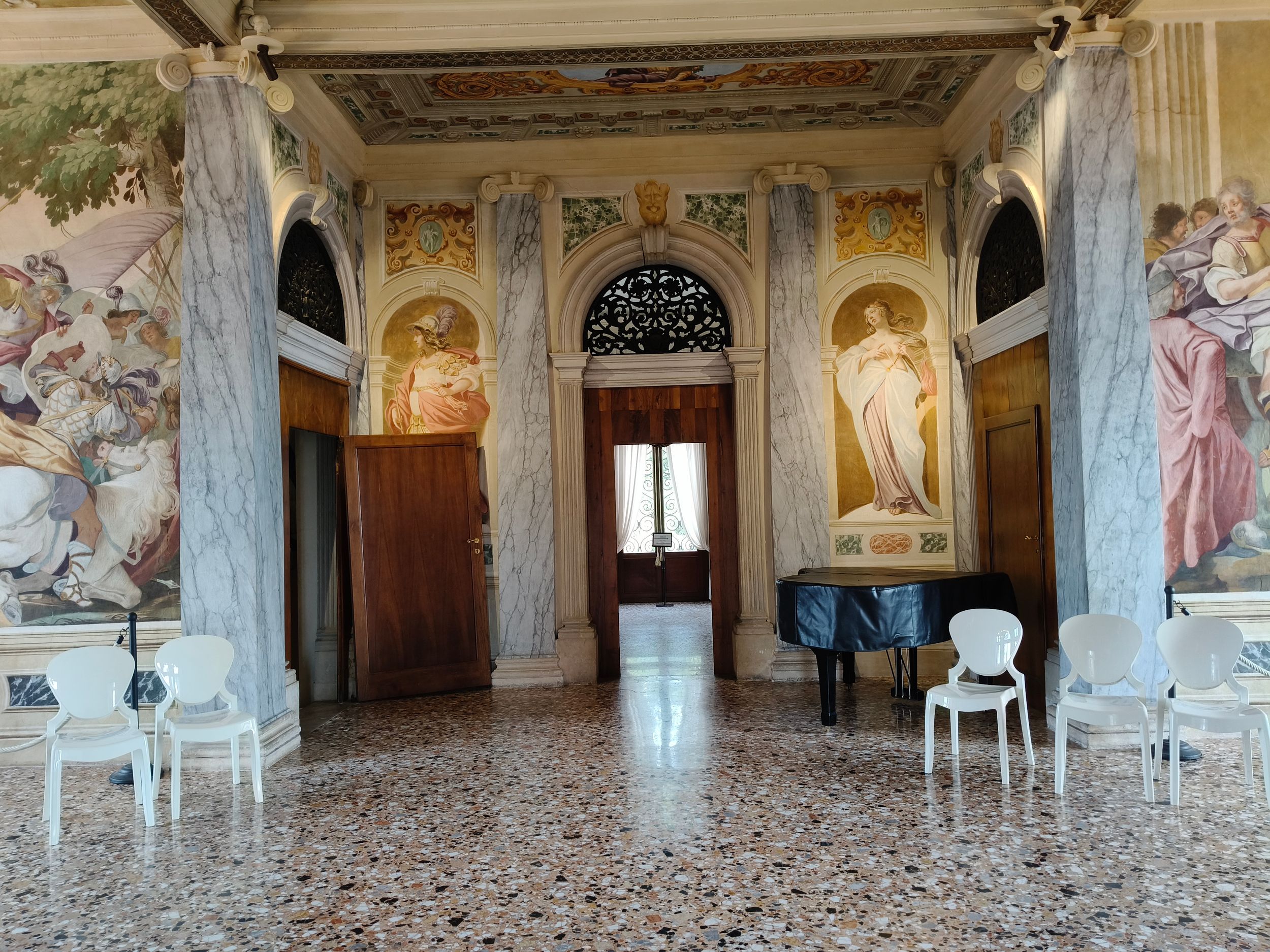
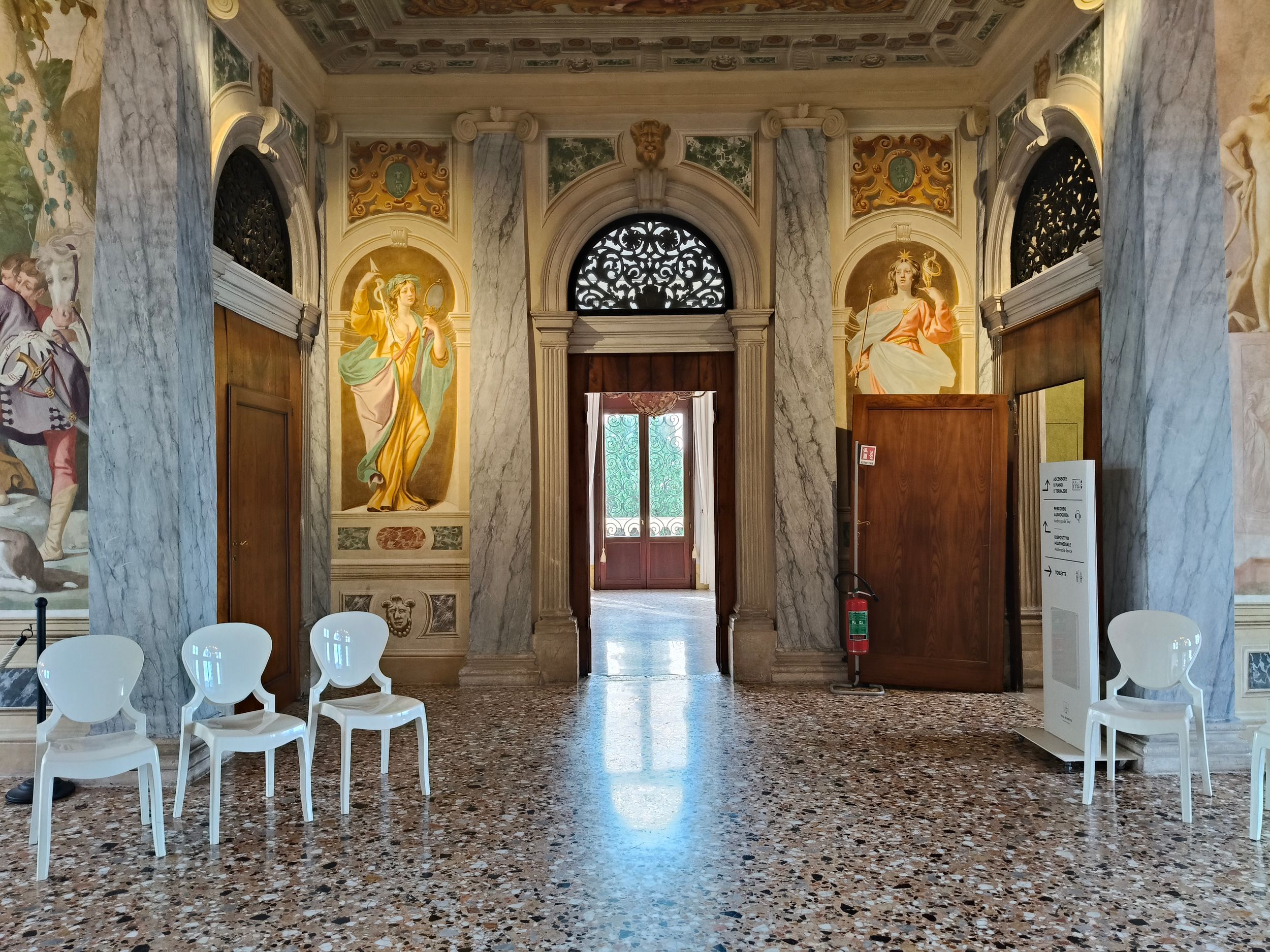
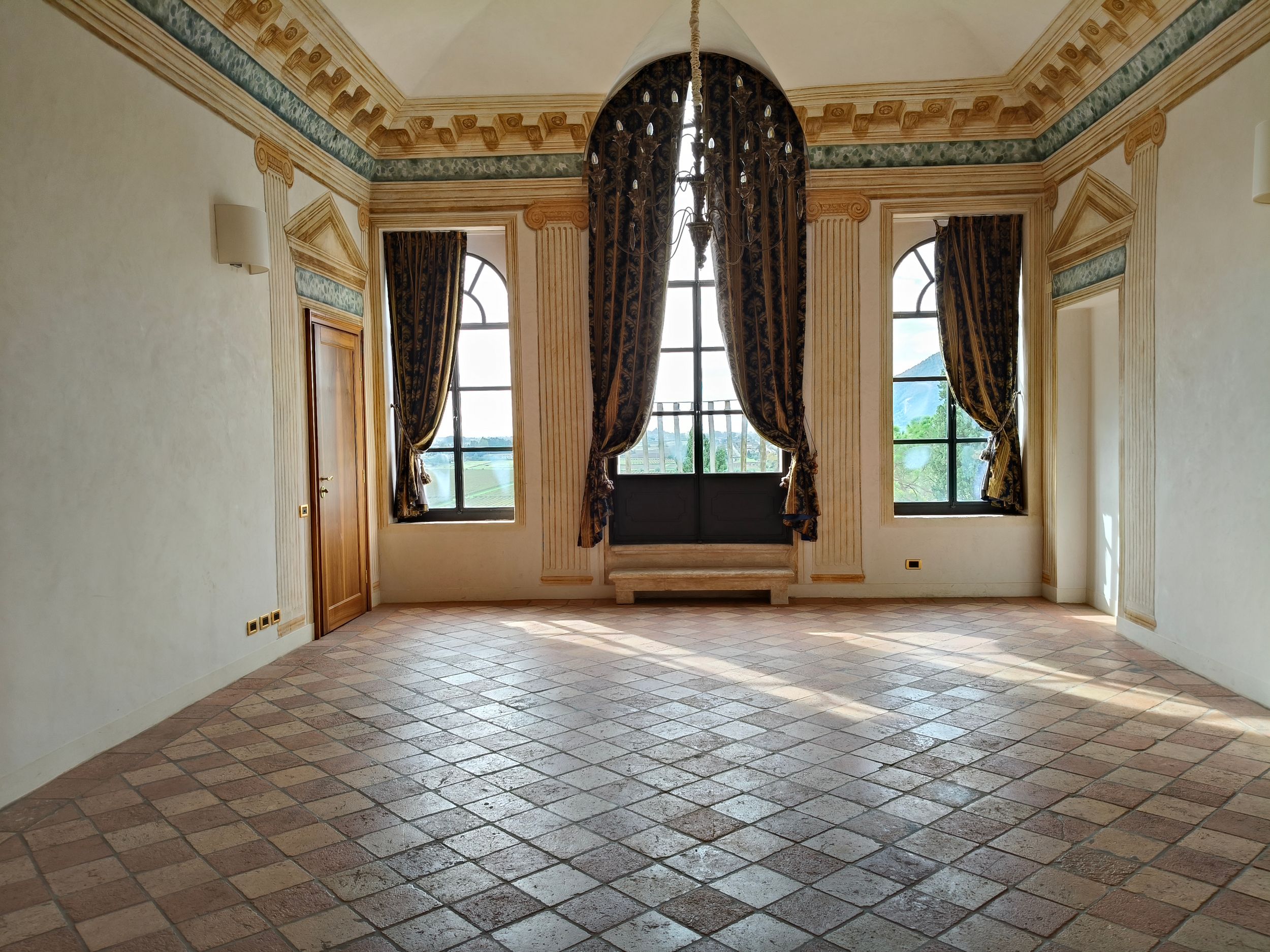
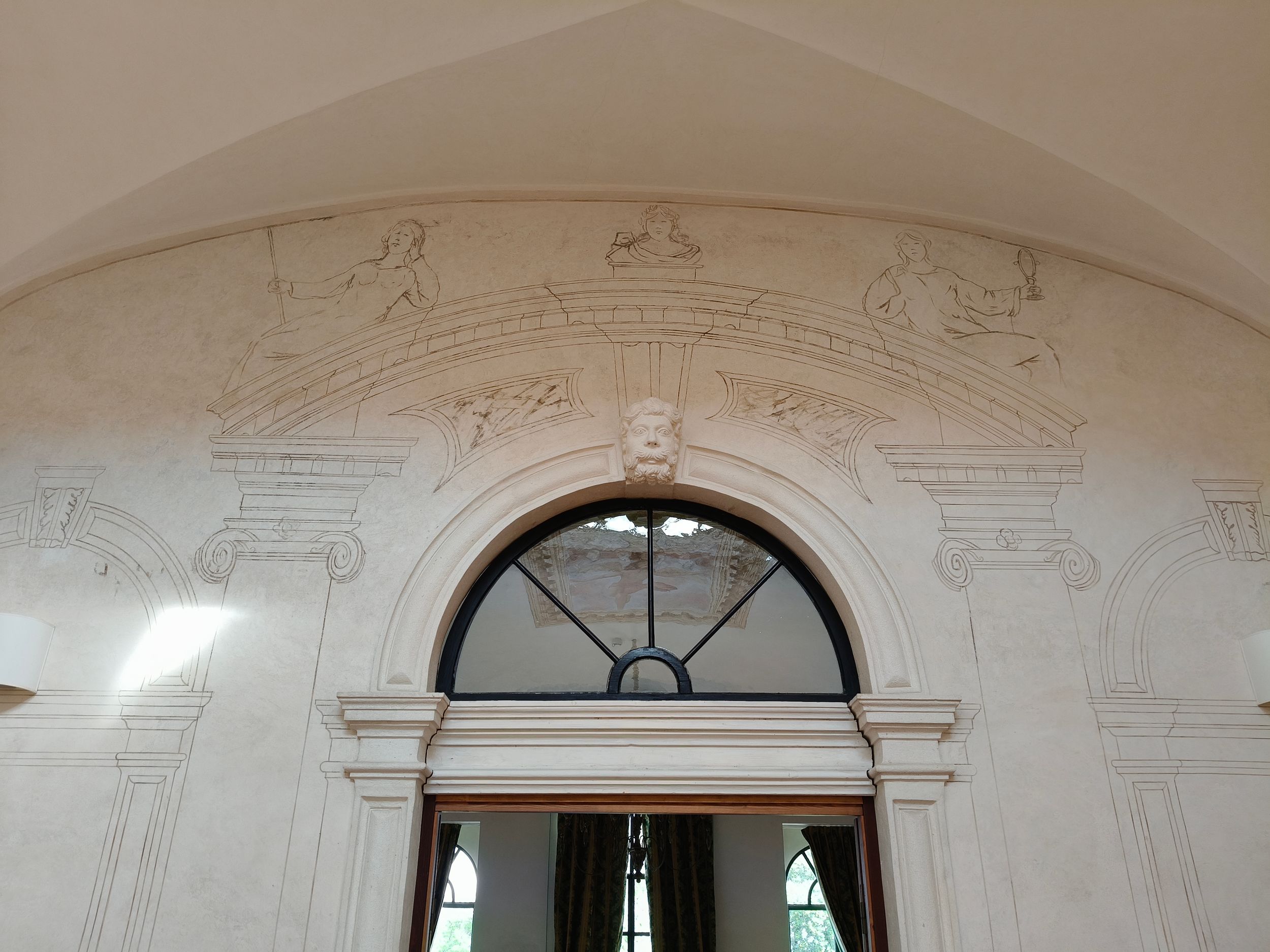
The interior walls are adorned with frescoes by Luca Ferrari, painted around 1650. The subjects are inspired by Virgil’s *Aeneid* and the histories of Titus Livius, which recount the story of Antenero—the legendary Trojan founder of Padua.
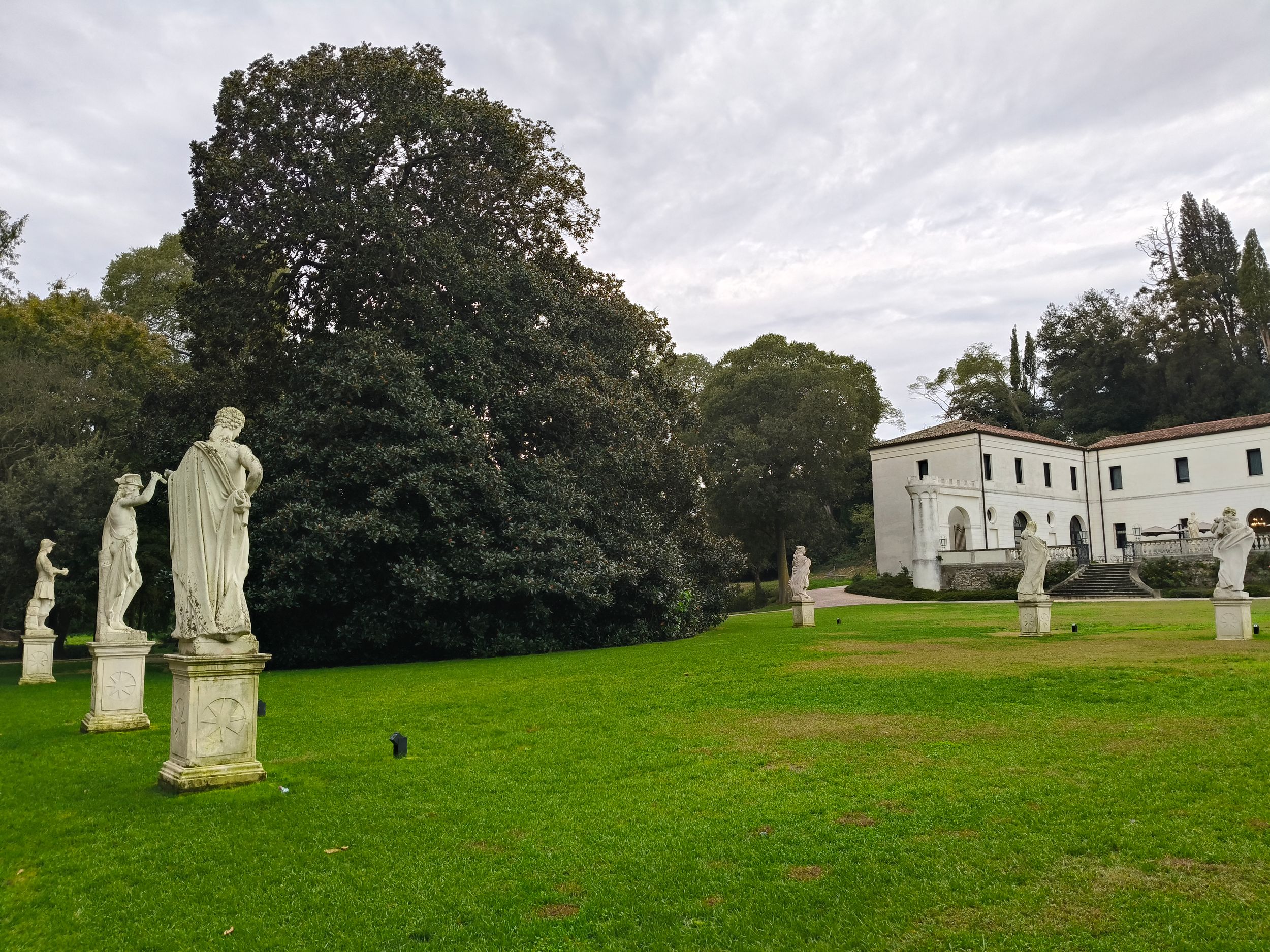
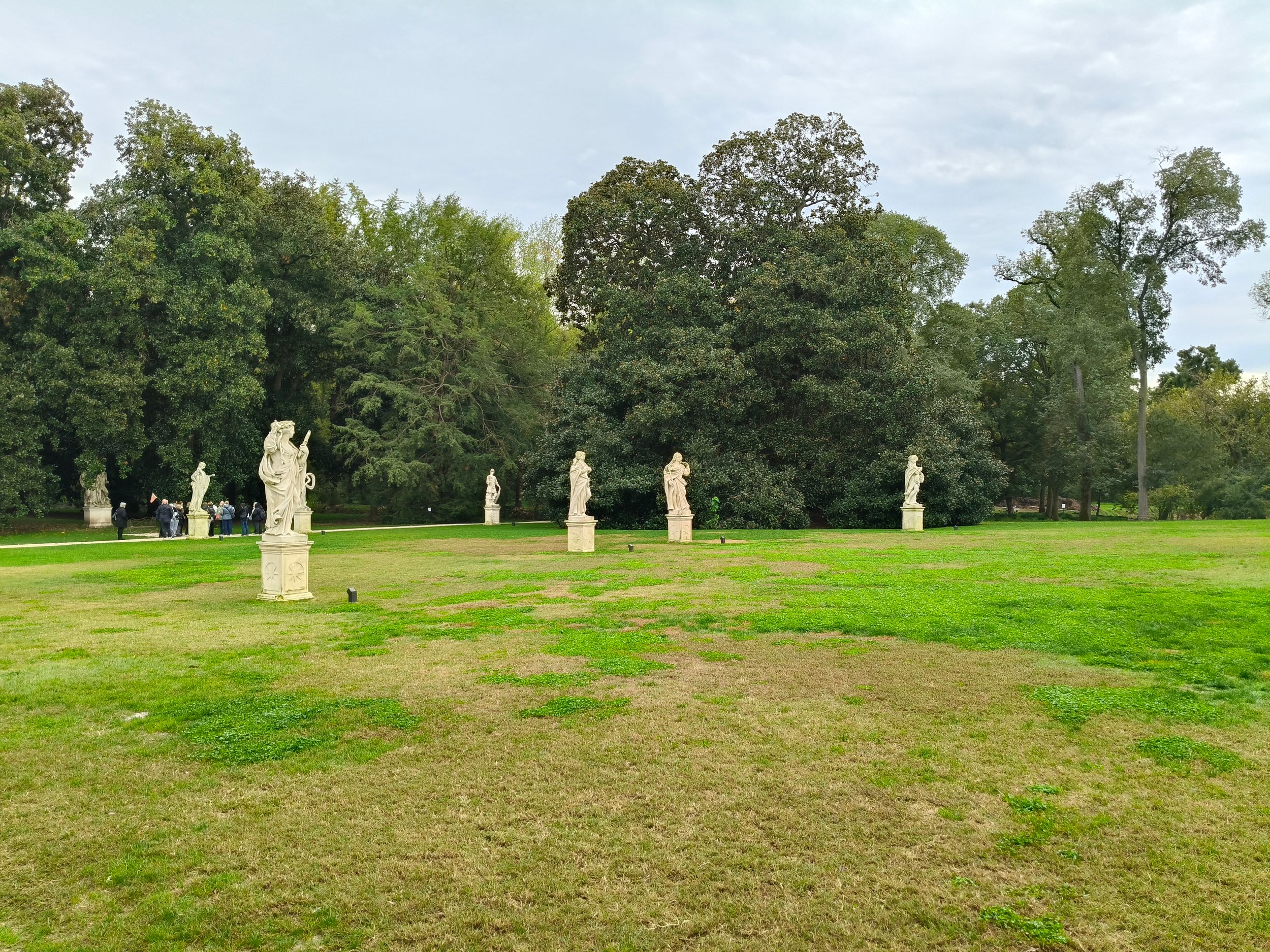
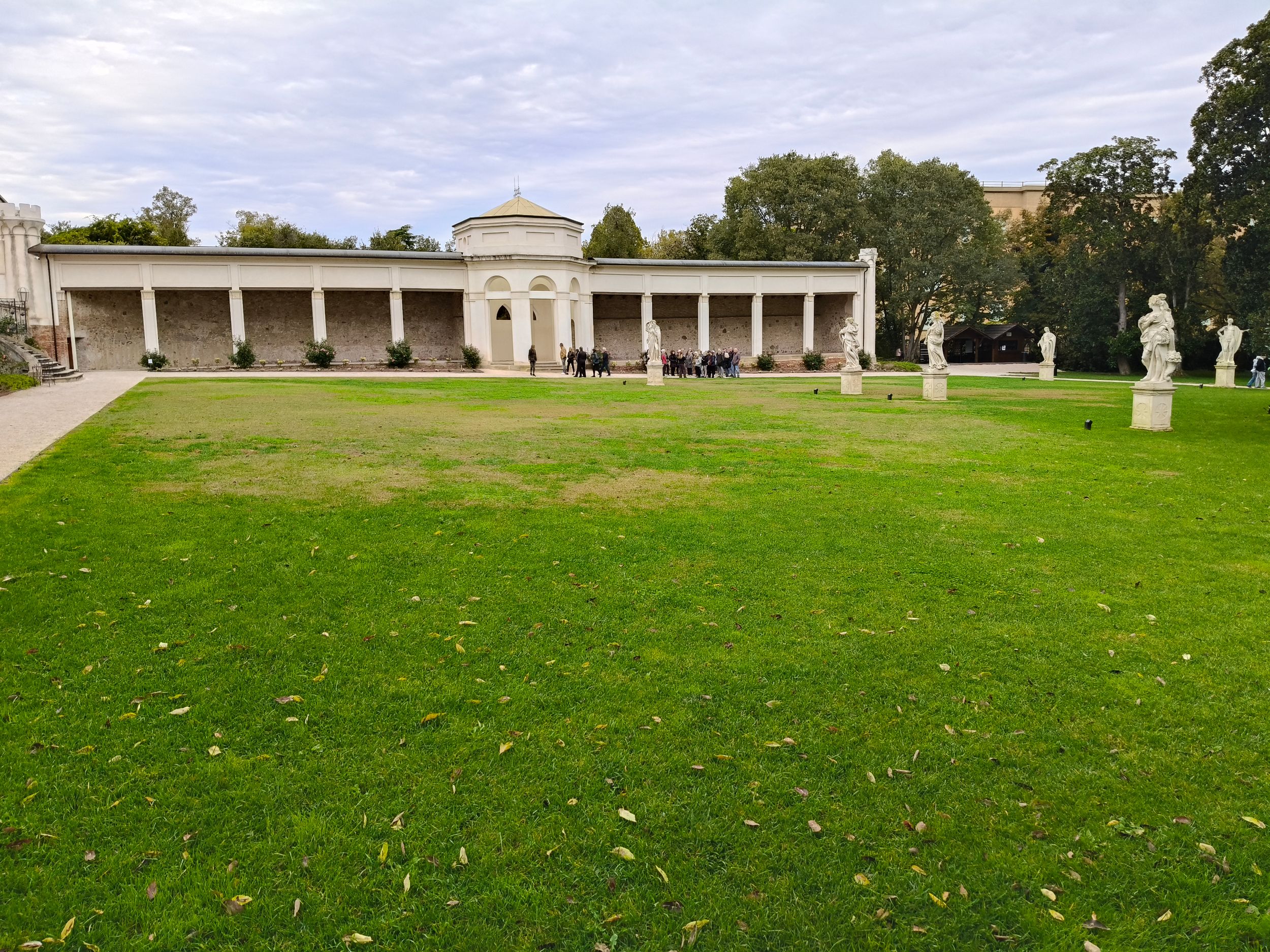
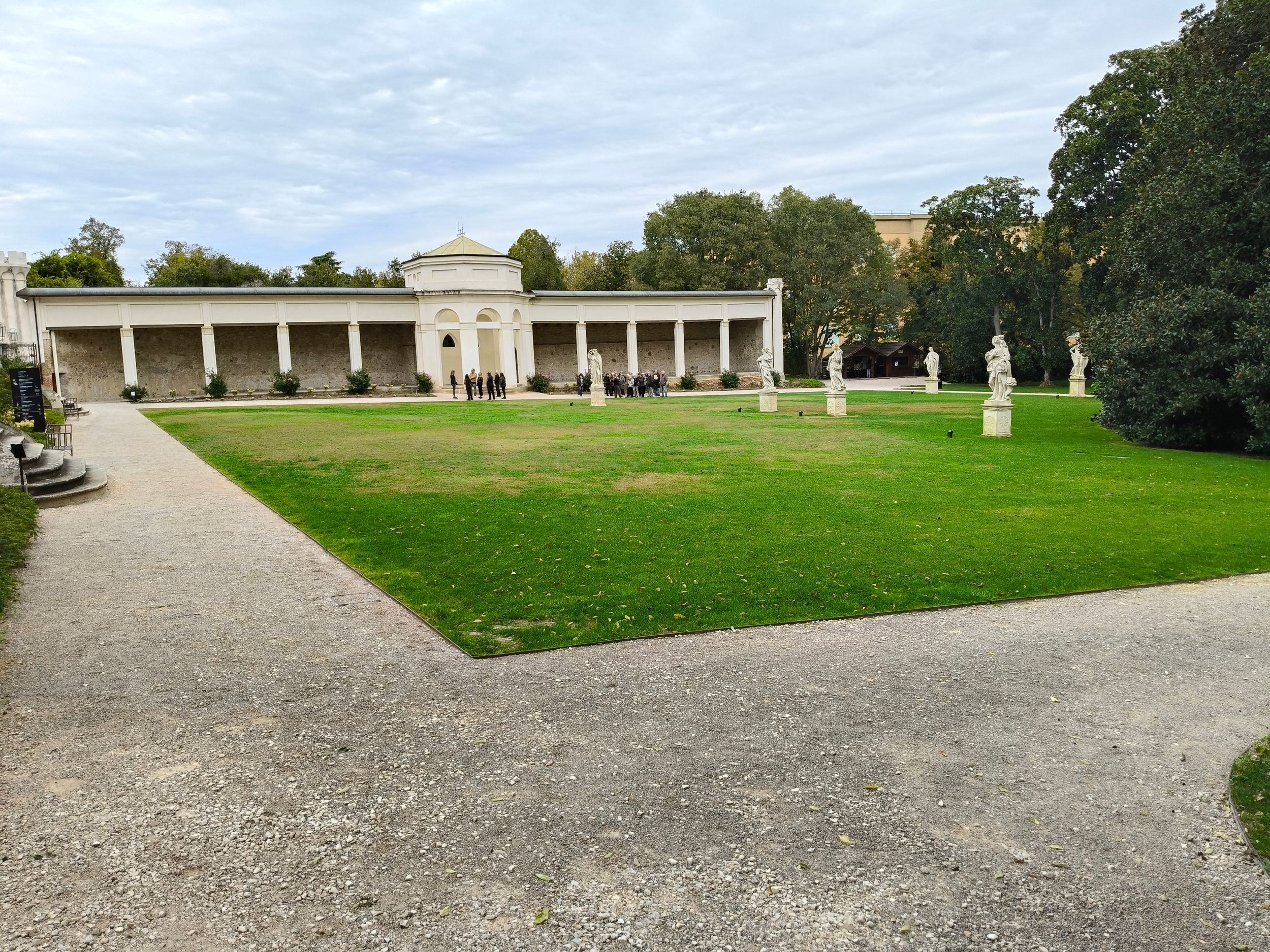
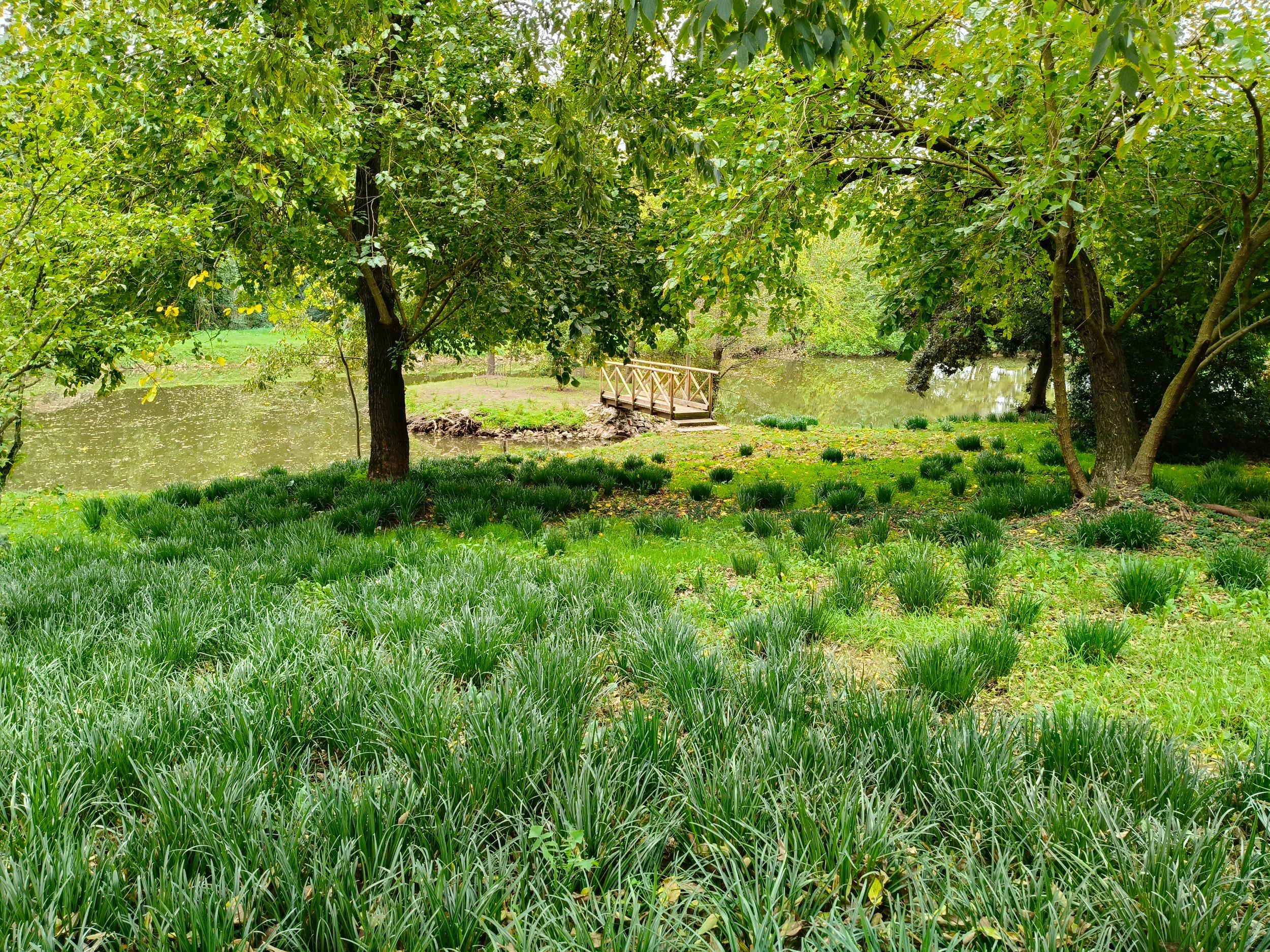
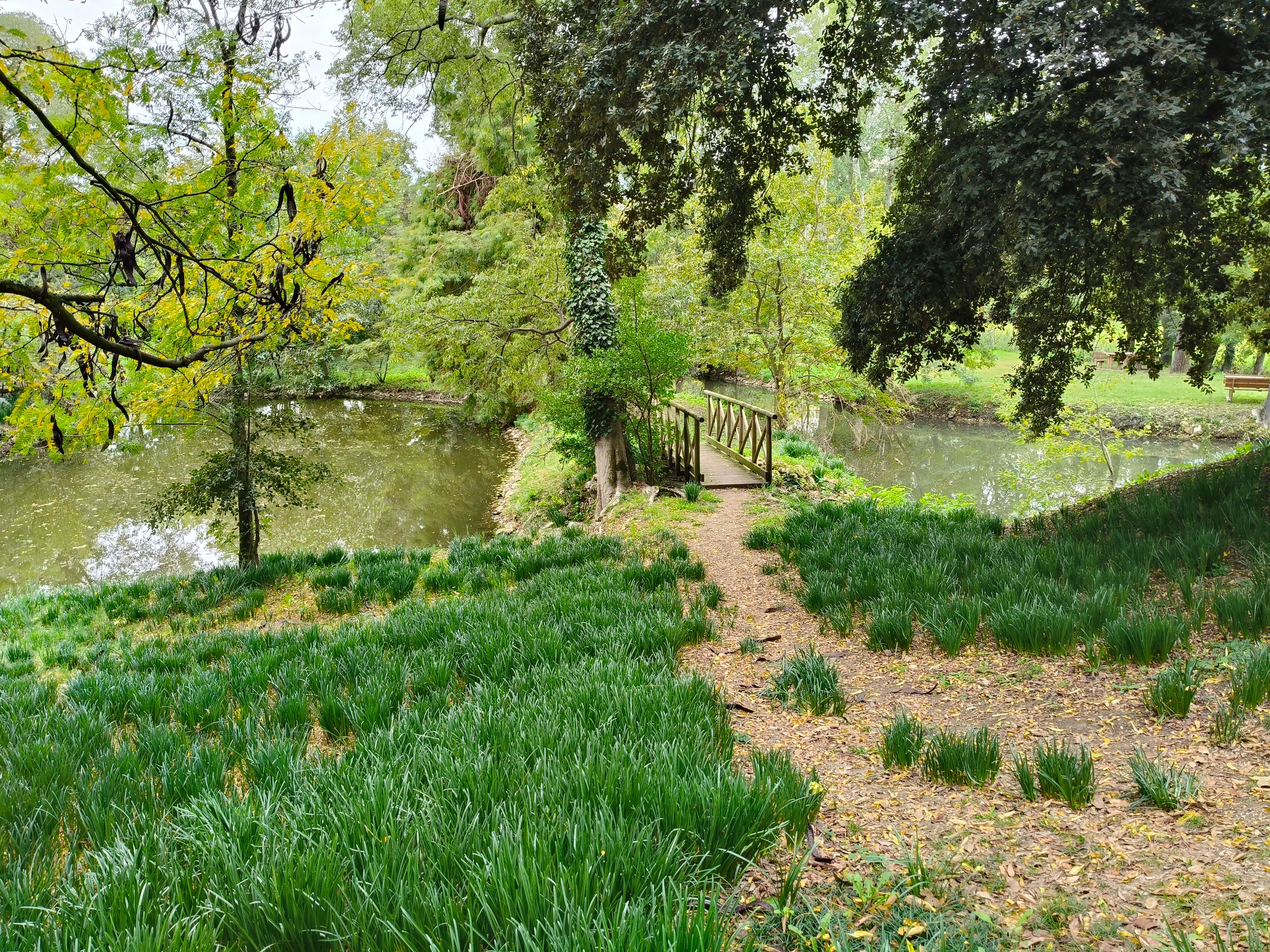
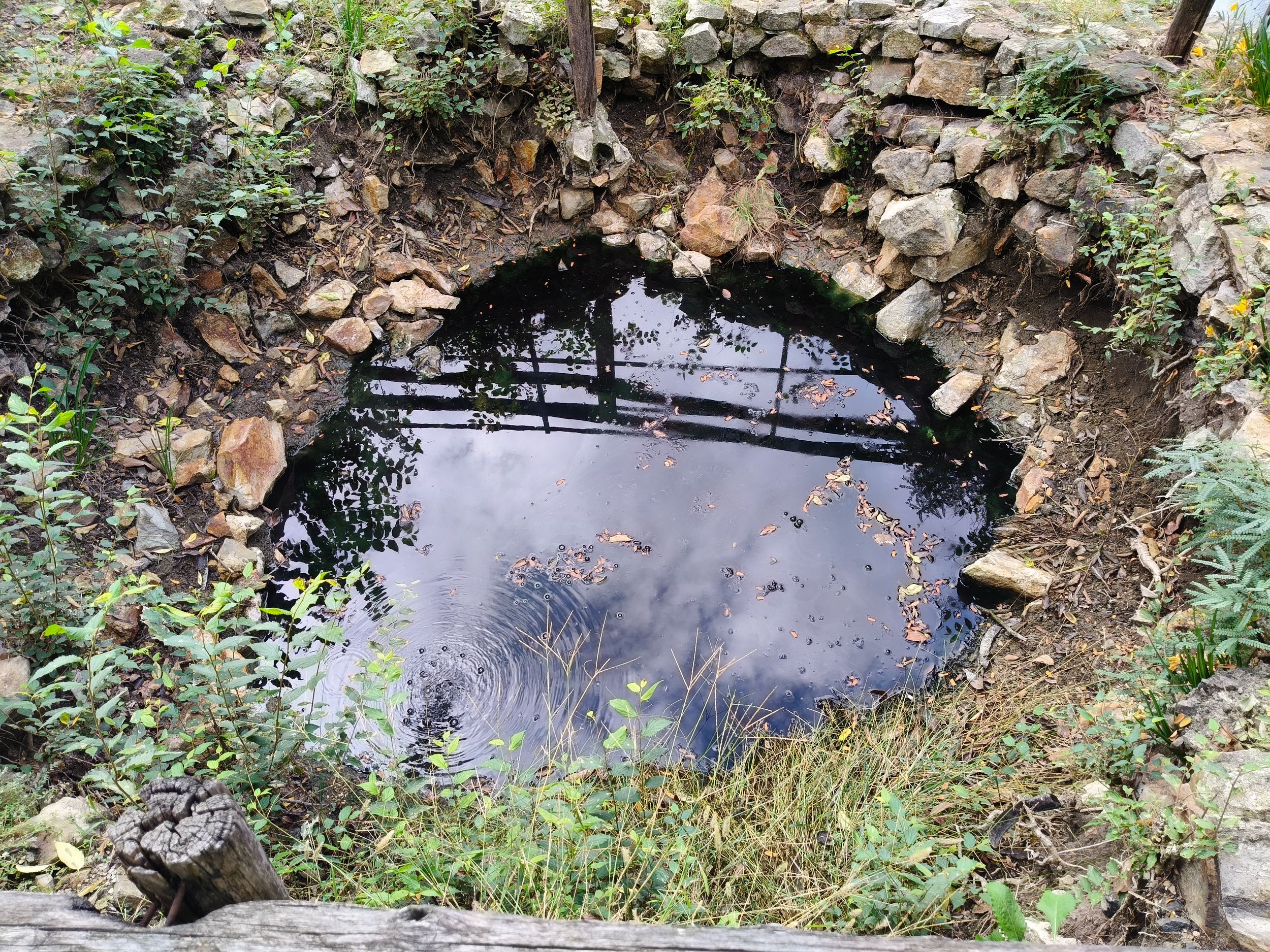
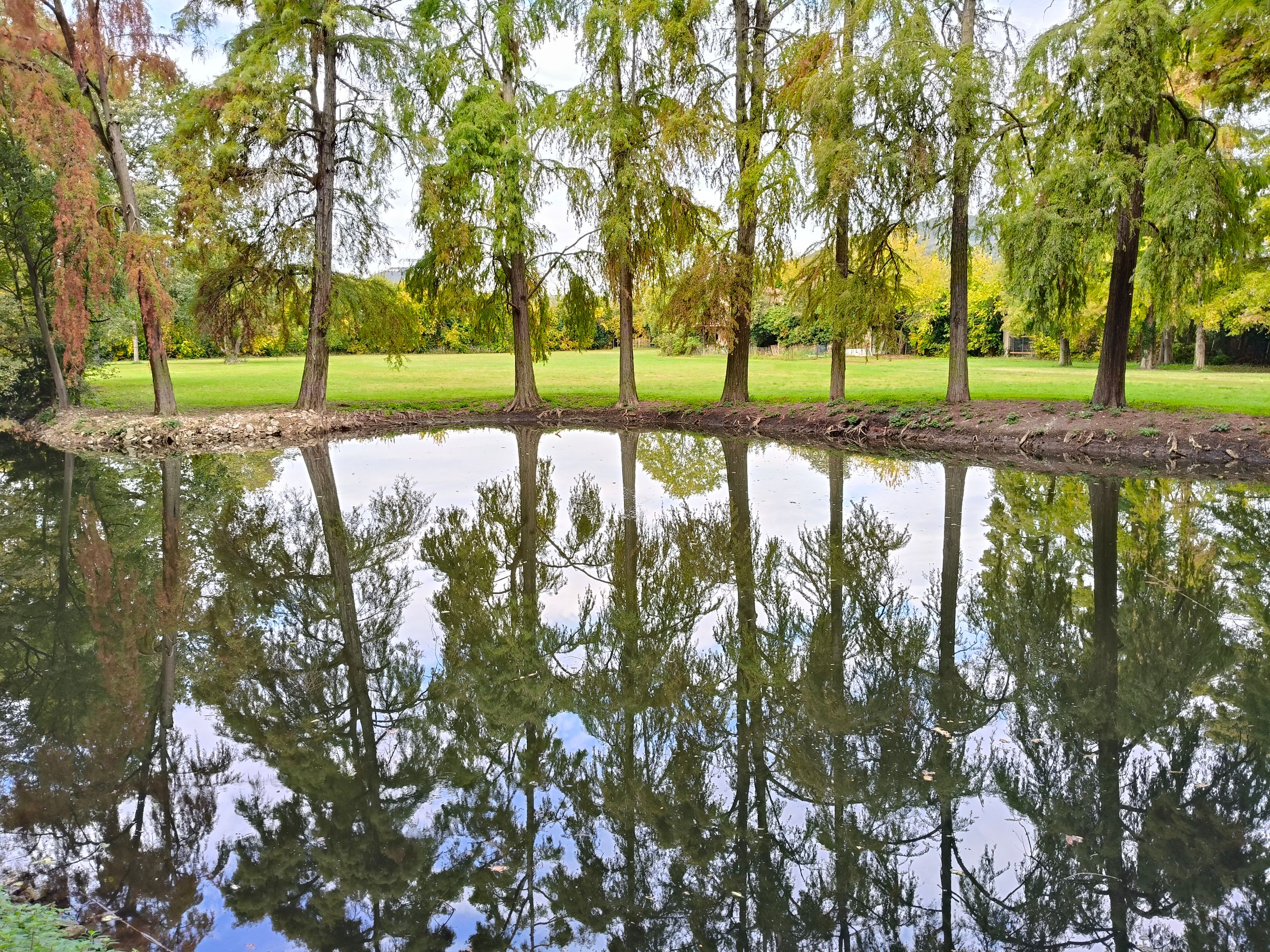
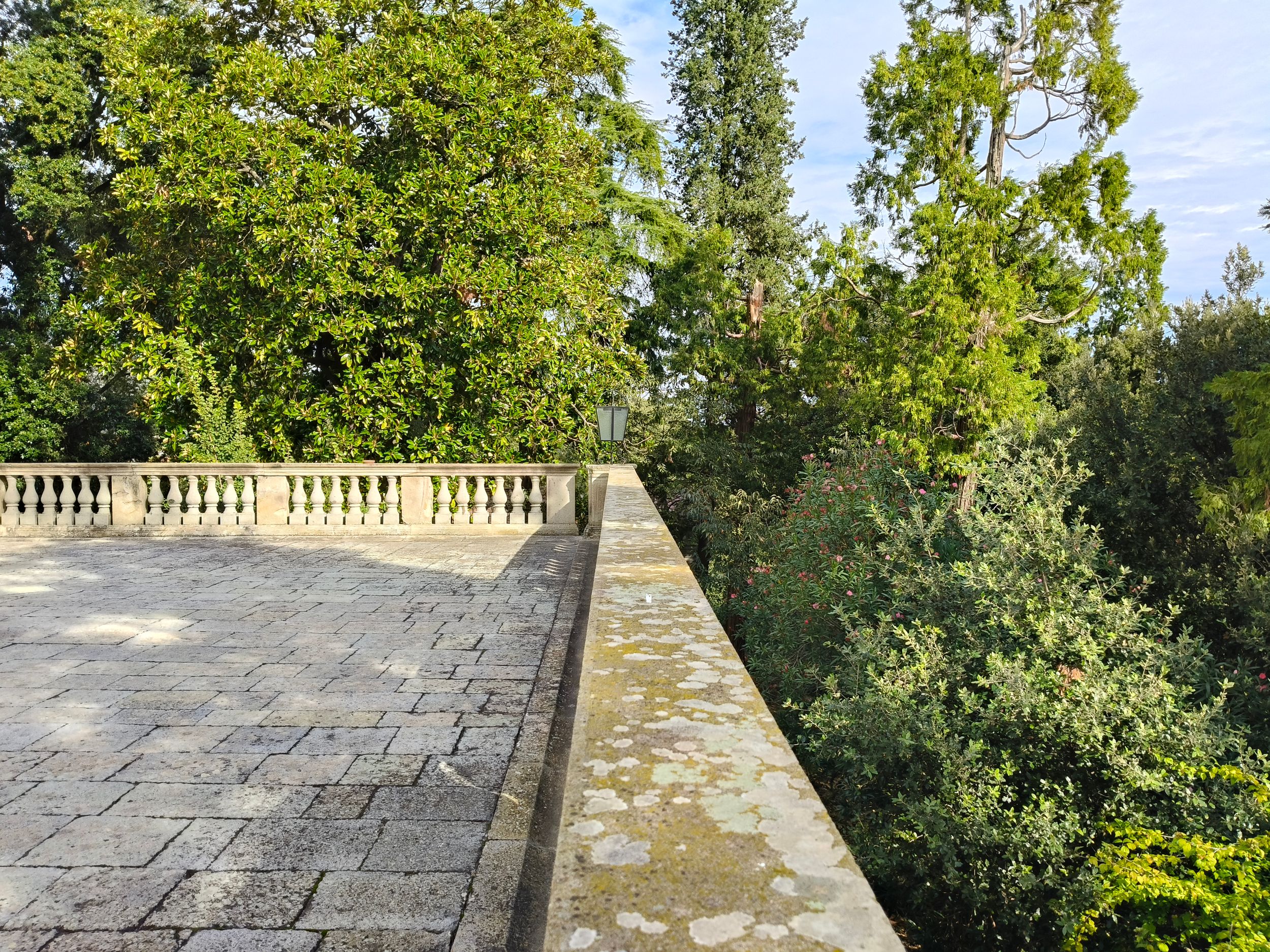
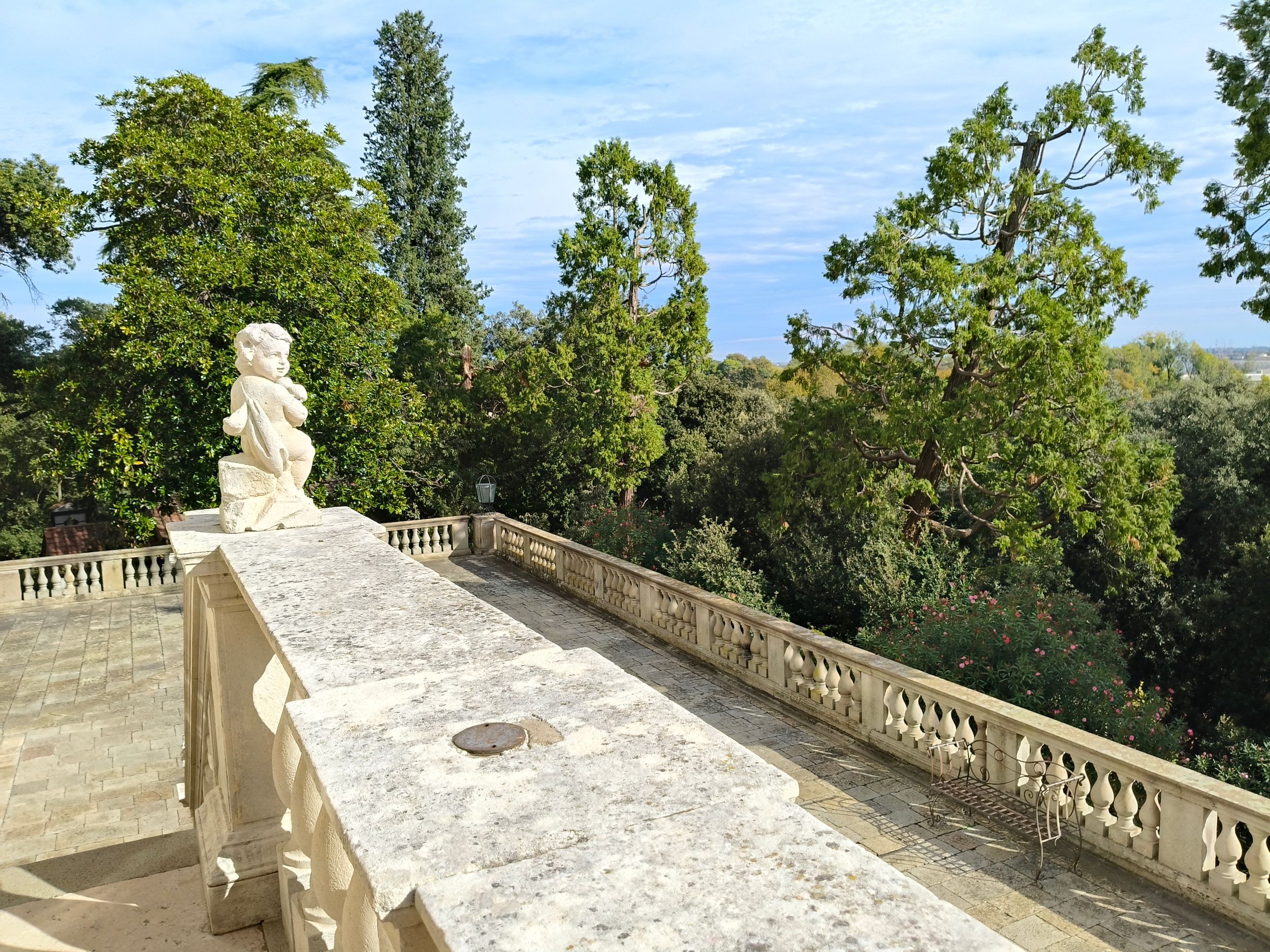
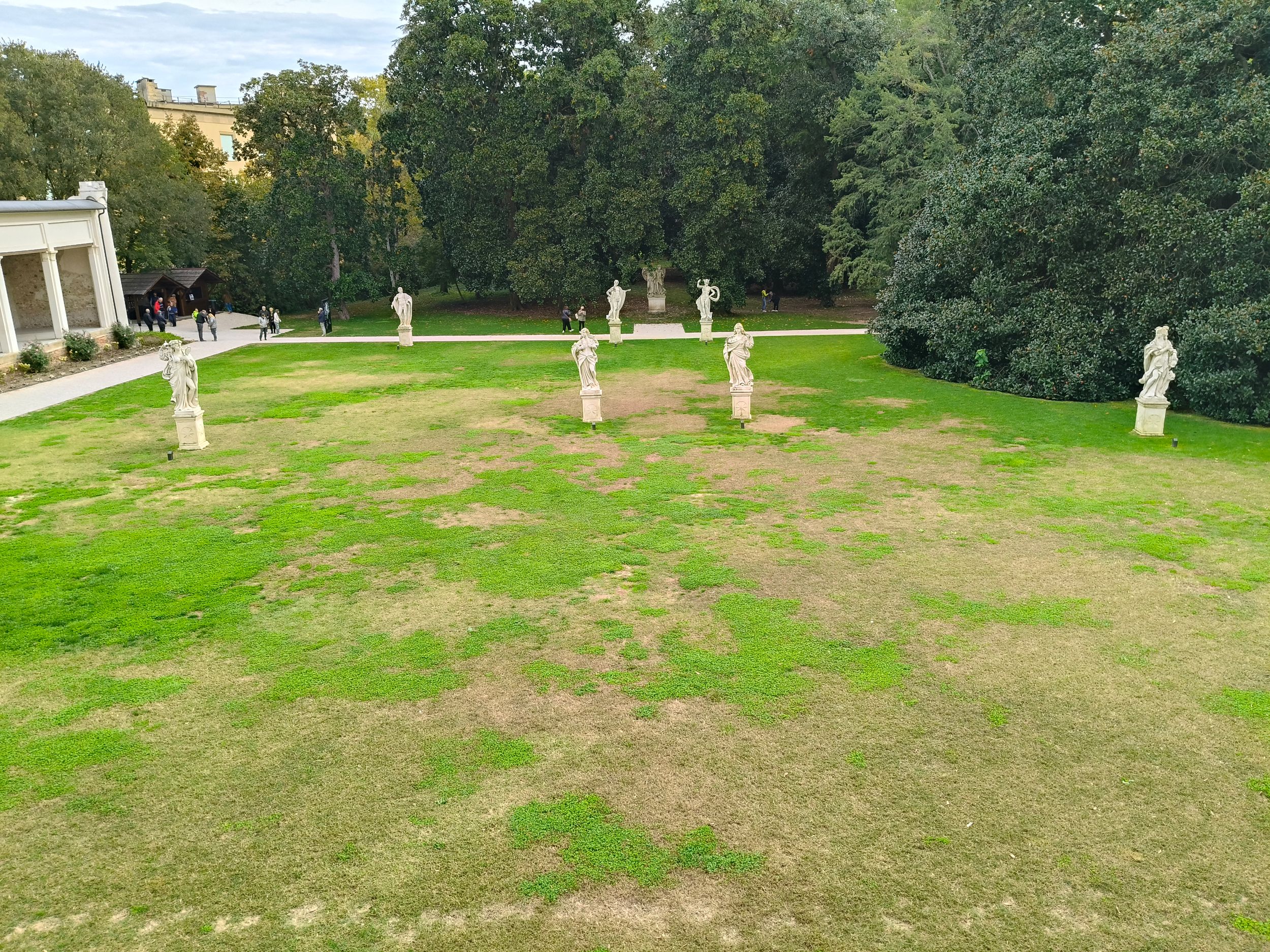
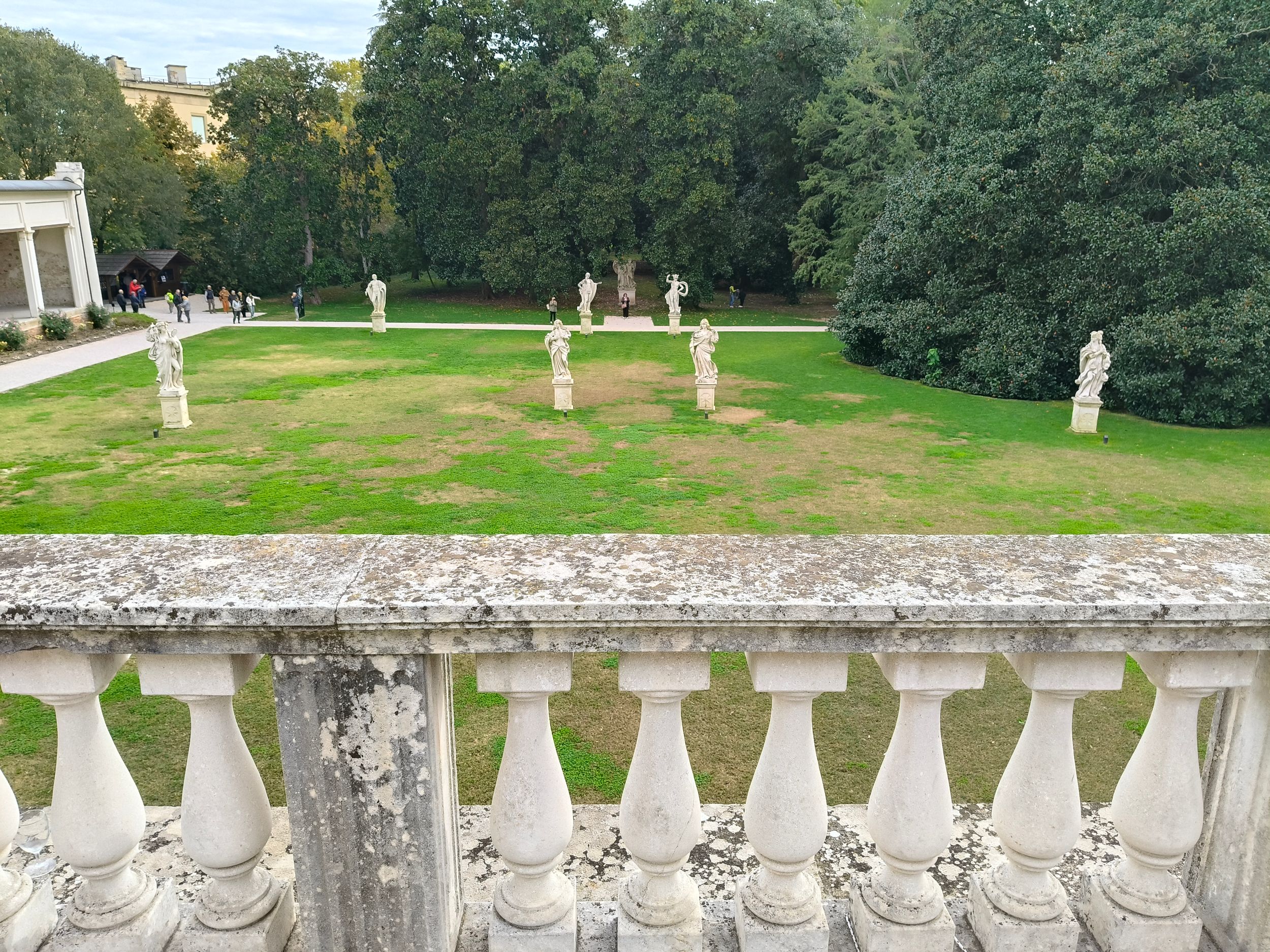
The surrounding park, covering more than 10 hectares, holds a special place within the complex. In the 19th century, the renowned Paduan architect and landscape designer Giuseppe Yappelli redesigned the gardens, harmoniously integrating the natural thermal springs into them. The park is adorned with five small lakes fed by hot underground springs. During the colder months, a wisp of steam rises above the water’s surface.
The park’s design is also inspired by Book VI of the *Aeneid* (the journey to the Underworld), where the alternation of shady groves, bodies of water, and open lawns symbolizes a spiritual quest and inner peace.